UPDATED: 31 sellouts at this year’s Wisconsin Film Festival

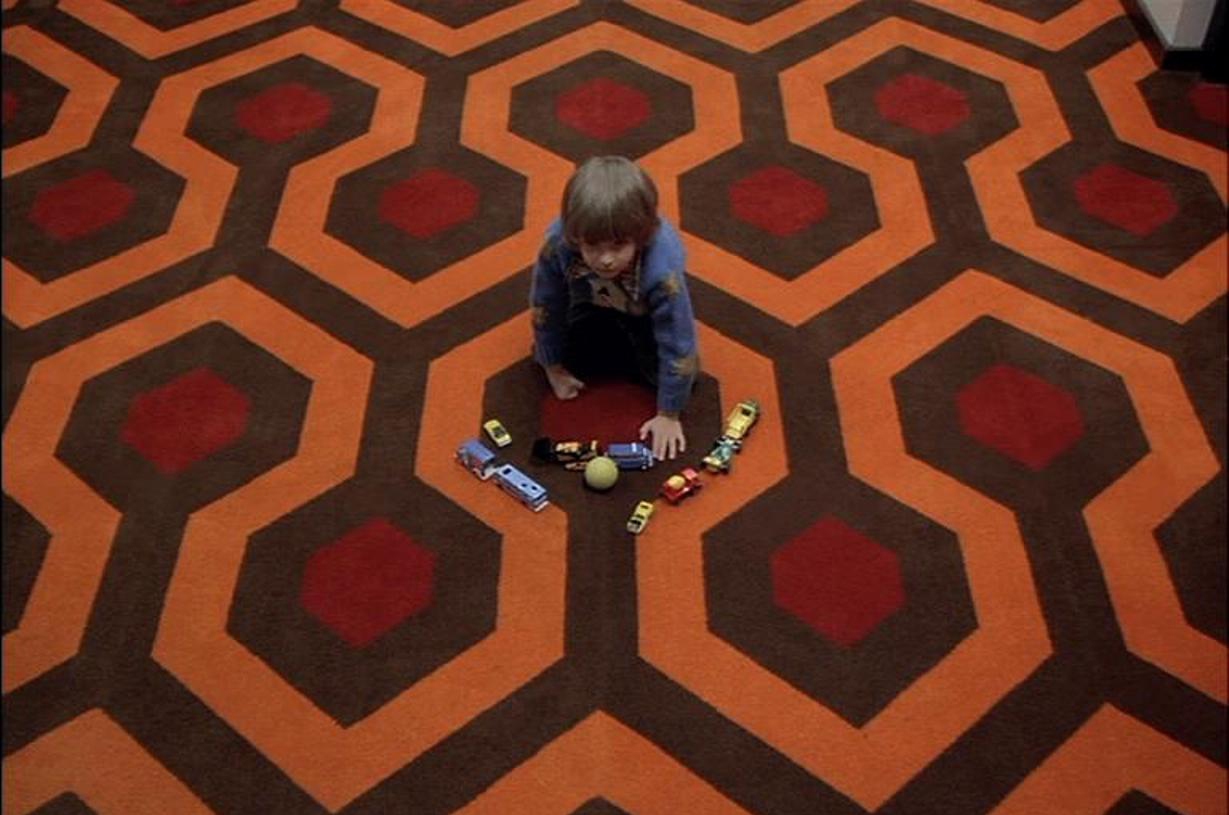
the-shining-still

“Who just bought the last two tickets for the WI Film Fest’s screening of ROOM 237?” one festival fan tweeted last week. “This dude right here is who. #Nanny #Nanny #Boo #Boo.”

Man, those Wisconsin Film Festival fans are a cutthroat bunch.

As of Monday morning, 31 films in this year’s festival (running April 11 through 18) have sold out all or some of their screenings. Here’s a list of all the sellouts, including alternate times for those films that do still have advance tickets available.

Tickets are on sale through wifilmfest.org and at the festival box office on the first floor of Union South.

56 Up” — all three screenings are sold out. One of the subjects of the doc, Nick Hitchon, will be speaking at the Saturday screening only.

7 Boxes” — The 5:15 p.m. Friday show and 9 p.m. Tuesday shows are both sold out.

All the Light in the Sky” — 4:45 p.m. Sunday sold out.

Augustine” — 7 p.m. Thursday (April 18) sold out, tickets remain for 9:15 p.m. Tuesday.

Beyond the Hills” — 5:45 p.m. Sunday sold out.

“Breakfast with Curtis” — 11:30 a.m. Saturday is sold out, but tickets remain the 12:15 p.m. Friday show.

Consuming Spirits” — 2:15 p.m. Saturday sold out.

“Dear Mr. Watterson” — 9 p.m. Monday sold out, but tickets remain for 4 p.m. Sunday.

Dragon Inn” — 11:45 a.m. Saturday sold out.

Either Way” — both screenings sold out.

The End of Time” — 11:15 a.m. Saturday is sold out, but tickets remain for 12:30 p.m. Friday.

Flicker” — 7:45 p.m. Saturday and 4 p.m. Monday are sold out, but tickets for 12:15 p.m. Friday remain.

I Am Divine” — 9:30 p.m. Friday sold out, but tickets remain for 6:30 p.m. Thursday.

“Key of Life” —  7 p.m. Wednesday is sold out, but tickets for 1:30 p.m. Thursday remain.

Kon-Tiki” — 6:30 p.m. Sunday sold out

Lore” — both screenings sold out

M” — 7:30 p.m. Saturday sold out

Much Ado About Nothing” — 9 p.m. Thursday sold out

Only the Young” — 7:45 p.m. Friday sold out, but tickets remain for 4 p.m. Sunday

Phase IV” — 11:30 a.m. Saturday sold out

Pretty Funny Stories” — 5 p.m. Saturday sold out

Radio Unnameable” — 6:45 p.m. Saturday sold out, but tickets remain for 5 p.m. Friday.

Renoir” — 1 p.m. Saturday sold out, but tickets remain for 2 p.m. Thursday

Room 237” — 6:30 p.m. Wednesday sold out

Short Films From Wisconsin’s Own” — 2 p.m. Sunday sold out

Stories We Tell” — 6:45 p.m. Thursday sold out

Tiger Tail in Blue” — 7:15 p.m. Sunday sold out.

The World Before Her” — 7:30 p.m. Friday and 11 a.m. Saturday both sold out

This is Martin Bonner” — 6:30 p.m. Saturday sold out, but tickets remain for 2 p.m. Sunday

Unfinished Song” — 5 p.m. Saturday sold out

Winter Nomads” — 4:30 p.m. Thursday sold out, but tickets remain for 12:30 p.m. Friday
UPDATED: 18 sellouts at this year’s Wisconsin Film Festival

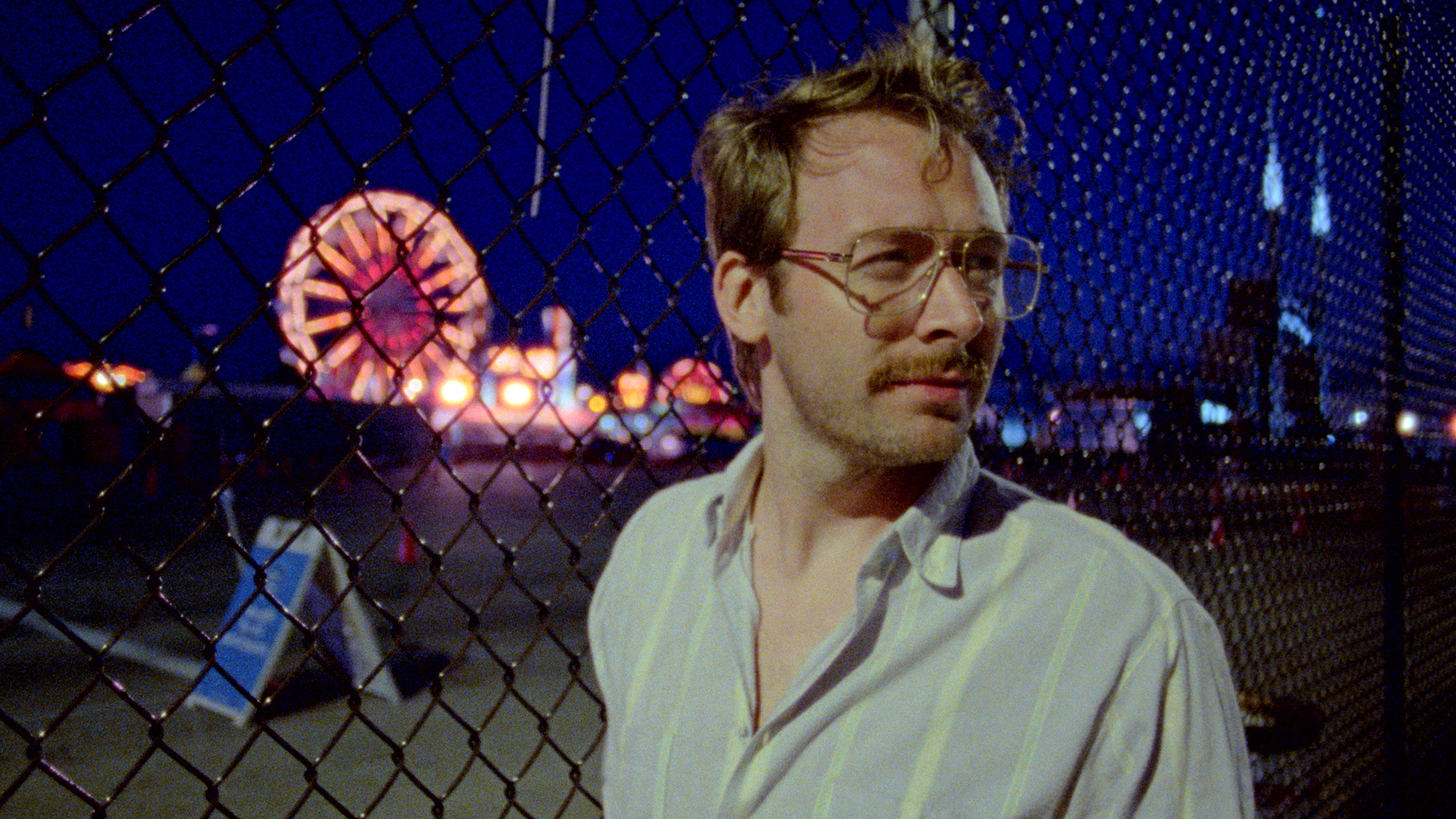
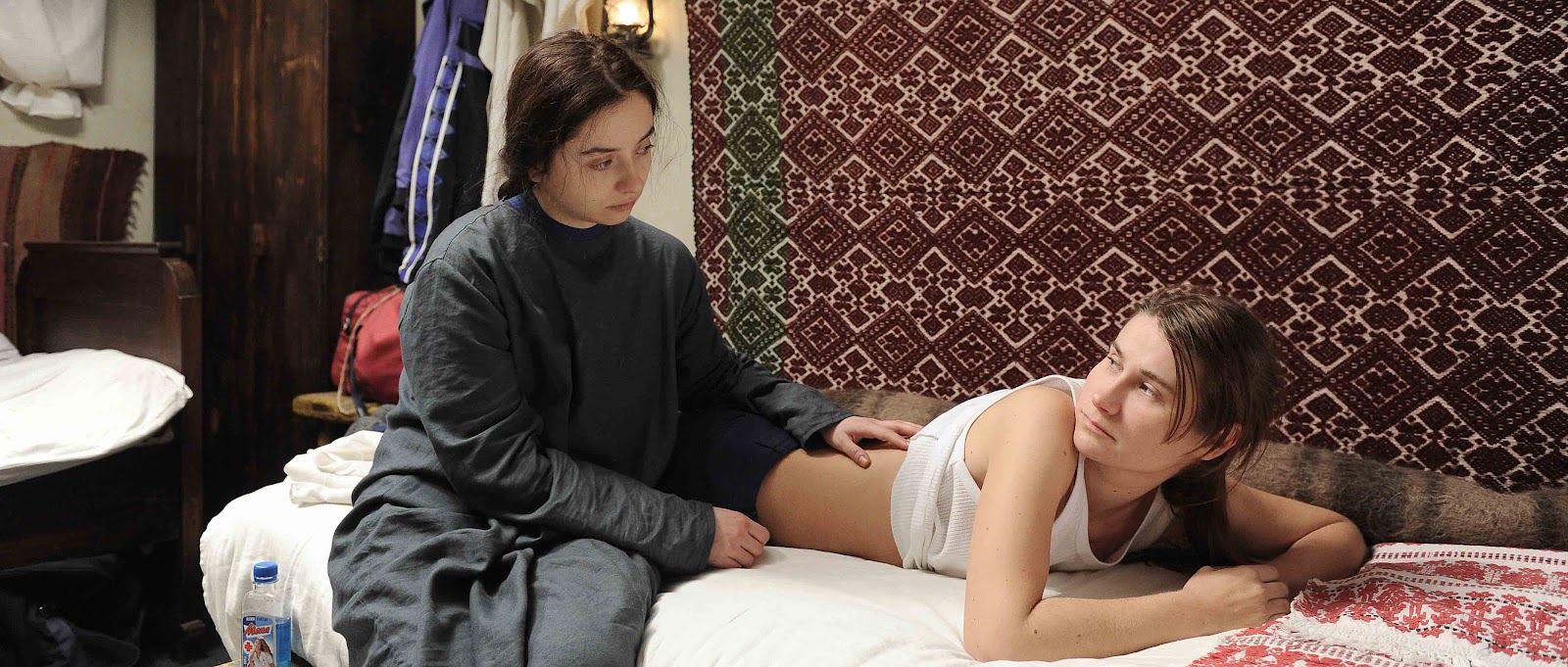
beyondthehills

I’ll update this list of sold-out films at the Wisconsin Film Festival every couple of days or so. Since Monday’s posting, sellouts include Cristian Mingiu’s “Beyond the Hills” (pictured) and Joe Swanberg’s “All the Light in the Sky,” along with the second screenings of “7 Boxes” and “The World Before Her.” Visit wifilmfest.org for tickets and other information.

56 Up” — all three screenings are sold out. One of the subjects of the doc, Nick Hitchon, will be speaking at the Saturday screening only.

7 Boxes” — The 5:15 p.m. Friday show and 9 p.m. Tuesday shows are both sold out.

All the Light in the Sky” — 4:45 p.m. Sunday sold out.

Beyond the Hills” — 5:45 p.m. Sunday sold out.

“Breakfast with Curtis” — 11:30 a.m. Saturday is sold out, but tickets remain the 12:15 p.m. Friday show.

Either Way” — 8:45 p.m. Tuesday sold out, but tickets remain for 2:15 p.m. Wednesday

The End of Time” — 11:15 a.m. Saturday is sold out, but tickets remain for 12:30 p.m. Friday.

Flicker” — 7:45 p.m. Saturday is sold out, but tickets for 12:15 p.m. Friday and 4 p.m. Monday remain.

“Key of Life” —  7 p.m. Wednesday is sold out, but tickets for 1:30 p.m. Thursday remain.

Kon-Tiki” — 6:30 p.m. Sunday sold out

Lore” — both screenings sold out

M” — 7:30 p.m. Saturday sold out

Much Ado About Nothing” — 9 p.m. Thursday sold out

Pretty Funny Stories” — 5 p.m. Saturday sold out

Short Films From Wisconsin’s Own” — 2 p.m. Sunday sold out

Stories We Tell” — 6:45 p.m. Thursday sold out

Tiger Tail in Blue” — 7:15 p.m. Sunday sold out.

The World Before Her” — 7:30 p.m. Friday and 11 a.m. Saturday both sold out

Wisconsin Film Festival preview : “The Jeffrey Dahmer Files”

dahmer

“The Jeffrey Dahmer Files” screens at 9:15 p.m. Saturday, April 13 at the UW-Elvehjem (the original Chazen building), and at 8:30 p.m. Sunday, April 14 at Sundance Cinemas. Director Chris James Thompson will attend both screenings. Visit wifilmfest.org for tickets and other information.

Here’s what may be the most disturbing aspect of “The Jeffrey Dahmer Files”; there isn’t a drop of blood in the film.

Instead of diving deep into the gruesome crimes of Milwaukee serial killer Jeffrey Dahmer, director Chris James Thompson (who grew up partly in Madison) has made a film that sort of orbits around that evil in a innovative mix of documentary and drama. We hear about the crimes in detail, but we don’t see them. Instead, we see the effect that those crimes had on three people, innocent bystanders of a sort. Together, the three witnesses provide an intimate yet horrifying perspective of what was discovered in that cookie-cutter apartment building.

Thompson interviews Pat Kennedy, the detective who got Dahmer’s confession and was, briefly, a media celebrity. (“When I tell you what I tell you,” Dahmer told him in the interview room, “You’ll be famous.”)  He interviews Jeffrey Jentzen, the lead pathologist on the case, who maintains his professional composure as a case no coroner’s office was meant to handle arrived at his doorstep. And he interviews Pam Bass, a neighbor in Dahmer’s building who befriended him, and was became an unwilling focus of the media when the crimes were revealed. “How could you not have known?” everyone asks her, accusingly.

But of course, nobody knew. And that’s the point of “Files,” how long a polite young man was able to skate under the radar of the city, selecting young black men for his crimes in part because he knew the police were less likely to go looking for them.

Illustrating this point is the other half of “The Jeffrey Dahmer Files,” which features actor Andrew Swant playing Dahmer. But we don’t see Dahmer committing his crimes; instead, we see him doing seemingly ordinary, mundane things — sitting by an empty riverbed drinking beer, wandering around in the parking lot at the Wisconsin State Fair, buying large plastic barrels and other “supplies” at drugstores and warehouses. Of course, we know what he’s going to do with those things, but the bored clerks barely raise an eyebrow. Even when he takes a giant blue barrel on a bus, the other passengers don’t look up.

“The Jeffrey Dahmer Files” will likely disappoint horror fans hoping for a bloodthirsty recreation of Dahmer’s quiet rampage. Instead, Thompson’s film is something really different, a film as polite and as unnerving as its subject, one that burrows down deep into your imagination and stays there.

Deleted scenes of your favorite movie: Watch or don’t watch?

the-master_image_1

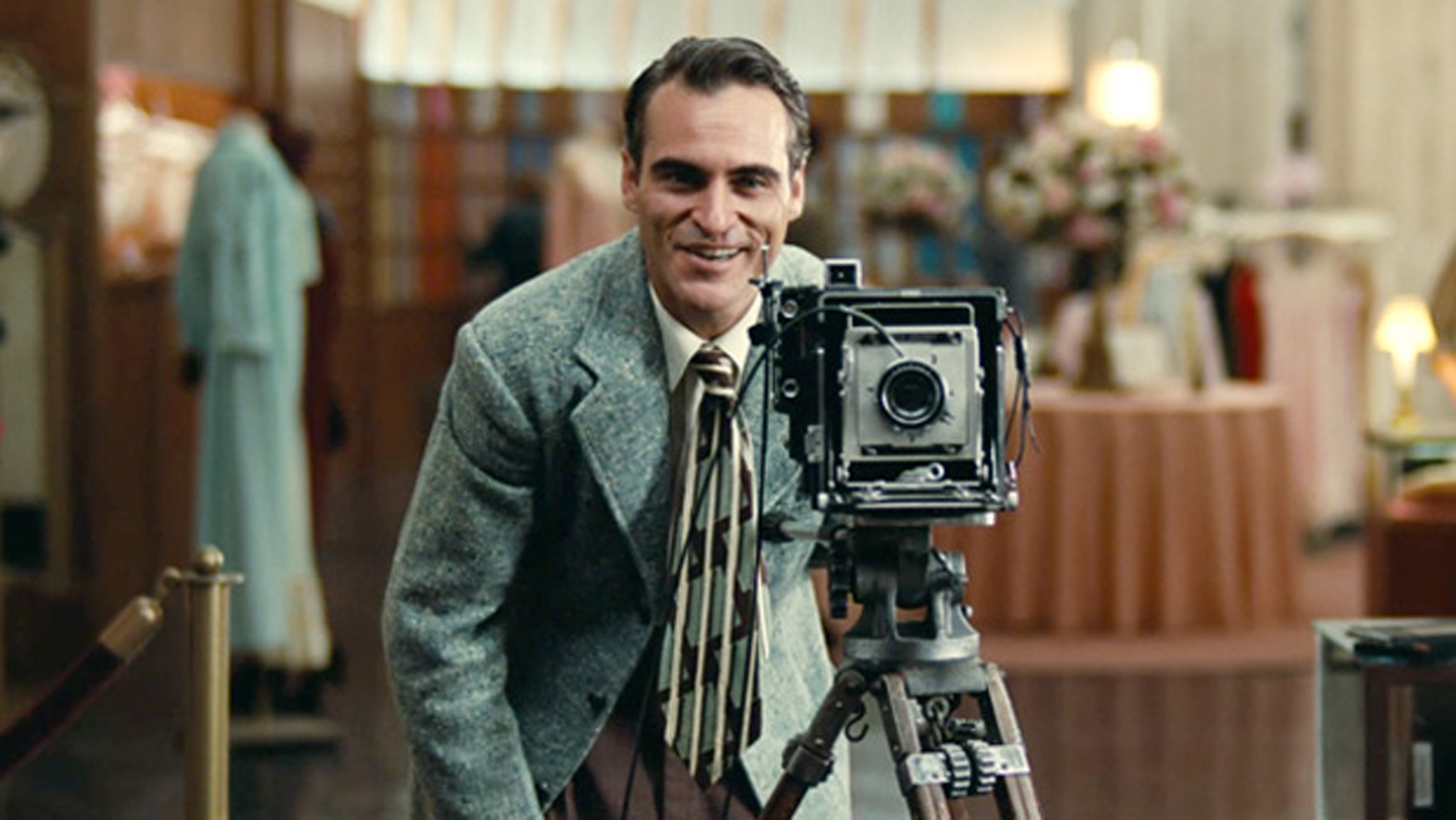
Keith Phipps had a delightful piece in the Atlantic Online this week about the “irresistible perils” of watching deleted scenes. The occasion was the release of “The Master” on DVD and Blu-ray, and the Blu-ray edition has a 20-minute collection of deleted scenes called “Back Beyond.” The most arresting seems to be a scene where Freddie (Joaquin Phoenix opens the mysterious case that Lancaster Dodd (Philip Seymour Hoffman) opens in the desert, only to see flames.

Phipps’ article is about, in a nut shell, “Do deleted scenes count?” That is, should we accept or reject them as part of what we know about the movie, that the missing pieces of information found within those scenes should be connected up to the rest of the story?

“Deleted scenes belong to a space that’s neither part of the film nor removed from it, one perhaps better left unexplored,” Phipps writes. “I’ve come to think of deleted scenes features as the equivalent of that box given to Freddie to guard (or the one given to Pandora): a thing better left unexamined but impossible to resist.”

I have the same love-hate relationship with deleted scenes. Some, like for comedies, are pure fun; Judd Apatow always shoots way more than he can use on his films, so the DVDs are a treasure trove of ad-libs, alternate takes, even entire characters who couldn’t make it into the finished product. But they feel “bonus” in every sense of the word — fun, and extranous, like those deluxe-edition tracks on CDs that exist in a separate place from the main album.

Other deleted scenes are more problematic. The worst is when a scene is so wrongheaded that it can’t help tarnish the original movie a little, like that awful original ending to “Clerks,” in which Dante is abruptly shot and killed by a robber. It’s the kind of disastrous, faux-“edgy” choice that only a first-time filmmaker can make, and thankfully Kevin Smith was talked out of it before “Clerks” came to Sundance.

But even if the new footage doesn’t hurt the film, it never quite fits right. I watched the new extended cut of “The Good, the Bad and The Ugly,” which includes about 12 minutes of restored footage (with actors Eli Wallach and Clint Eastwood dubbing in their dialogue just a couple of years ago, which is jarring to say the least.) It’s one of my favorite movies, so what’s wrong with a little bit more? And the scenes do fill in some gaps, such as explaining how one character got from Point A or Point B.

The problem was that I had seen the original version so many times (at least twice a year on my local Fox affiliate’s “Eastwood Week” as a kid in Denver) that I had the rhythms of the movie down cold, almost on a subconscious level. To add in that extra stuff disrupted those rhythms. I couldn’t just sink into that movie the way I had done so many times before.

I won’t go as far as Indiewire critic Matt Singer did on his recent piece, succinctly titled “Why I Hate Deleted Scenes.” Singer hates them not just because of how they alter his perception of the movie, but of how they alter his perception of the moviemaker. He lives in fear of scenes like the “Clerks” ending that show filmmakers making mistakes, stumbling down blind alleys and back again before they somehow put together a movie that works.

“Making small tweaks to a movie is one thing; completely changing the content and tone of an ending is another. These sorts of deleted scenes recall the classic William Goldman line that ‘Nobody knows anything.’ In these cases, deleted scenes make great movies look like some kind of cosmic fluke — a random happenstance of timing and focus group scores.”

See, I have the exact opposte reaction. Because those scenes, to me, show the creative process in all its messy glory. It can be incredibly inspiring to see that your favorite movie didn’t come to your favorite director via a bolt of pure instinctive genius, but was hammered out made through a series of false starts, catastrophic errors, unnecessary scenes, blown chances. And yet somehow, in the editing process, all the chaff was finally stripped away, the rough edges smoothed over, the thing somehow finally coming together.

Sometimes, when you’re stuck in your own creative process, sandblasting with your forehead (to steal a great line from novelist Richard Bausch) inch by inch through a project, what pushes you forward isn’t seeing someone else’s sculpture up on the pedestal. It’s the scraps on the floor.

Come talk about movies with me at Sundance Cinemas next week!

placeattable

So this is pretty exciting. I’m partnering with the nice folks at Sundance Cinemas for “Conversations in Film,” an occasional series where I will host special screenings of films from their Screening Room calendar, the series devoted to indie films, foreign films and documentaries. After each film, join me up in the second-floor lounge at Sundance, 430 N. Midvale Blvd.,  for a lively discussion of the movie we all just saw.

The first one takes place on Tuesday, March 5 at 7:05 p.m., and the movie we picked to start off the series should be an ideal conversation-starter. It’s the documentary “A Place at the Table,” which looks at how, in the land of plenty and the home of the super-sized milkshake, 49 million Americans don’t get enough to eat. It’s a beautiful film as well as an insightful one, and one that I think will change a lot of people’s perceptions of what poverty is.

The usual ticket prices apply, although the nice thing about the Screening Room Calendar is that its exempt from the usual amenities fees at the theater. I’ve got one other “conversation” scheduled on Tuesday, March 26, for the drama “Any Day Now,” starring Alan Cumming and Garret Dillahunt. And we plan to do more as the Screening Room calendar continues. Hope to see you there!

See what classic movies are coming to Sundance Cinemas

Image

Just in case you want a reason to feel old, consider this — a film from 1999 is now considered a “classic.”

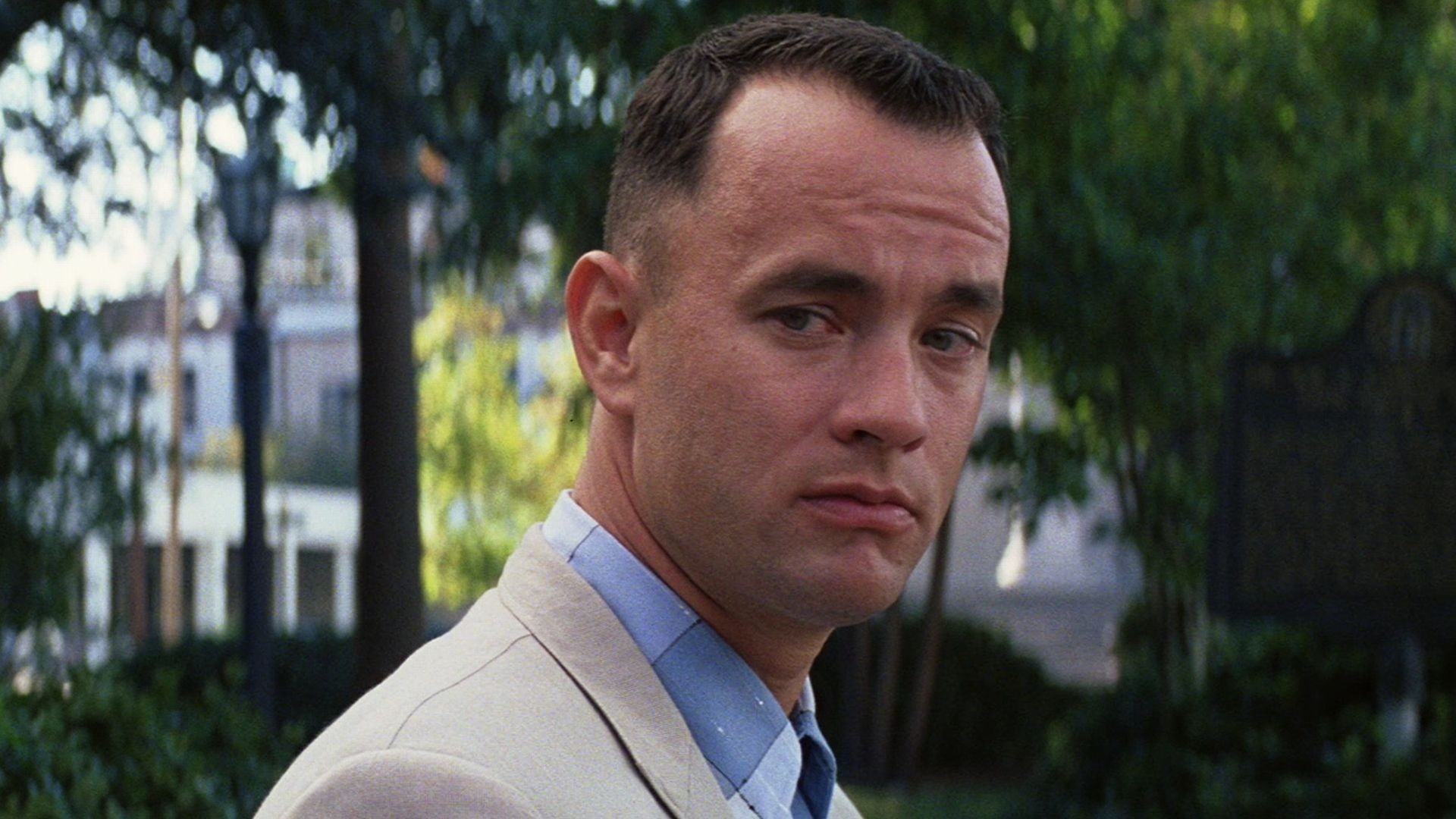
The Sundance Cinemas Classics series returns next Wednesday, March 6 with the 1994 Oscar winner “Forrest Gump.” Which is bad enough for those of us who still vividly remember going to see it in the theater almost 20 years ago. But later in the series, the series will feature the 1999 Oscar winner, “American Beauty.”

1999? That’s practically this century!

Here’s the full list of films — visit sundancecinemas.com for tickets and more information.

Forrest Gump” (March 6) — Not a dry eye in the house. Even 19 years later.

West Side Story” (March 13) — Fans who just saw the reinvented Broadway version at Overture Hall last week will want to catch the original film classic.

Lawrence of Arabia” (March 20) — This David Lean epic pretty much demands a big-screen viewing. Not sure if this is the new digital restoration that everyone has been raving about, but will find out.

American Beauty” (March 27) — Now that Kevin Spacey seems to have revived his career a little with “House of Cards,” head back to his Oscar-winning role as a suburban dad with issues.

Casablanca” (April 3) — The Bogart classic has been getting quite a workout on Madison screens lately — the Majestic Theatre just showed it on Valentine’s Day.

The Godfather” (April 10) — Often imitated, seldom equalled (except by “Godfather Part II”).

My quick take on the Oscars: less Seth is more, more awards are more

Seth MacFarlane

When the 85th Academy Awards started off with a major upset — Christoph Waltz taking Best Supporting Actor from heavily-favored Robert De Niro and Tommy Lee Jones — I was ecstatic for two reasons. One is that I thought Waltz richly deserved it but never had a shot. The second was that I had picked Jones in my Oscar pool, so right away I could stop worrying about winning the pool and just enjoy the show.

My end result was 15-9 — not great, but I didn’t mind, because this was a rare year where I liked all nine of the Best Picture candidates (no “The Reader” or “Extremely Loud and Incredibly Close” in the bunch). The closest I came to dislike is “Les Miserables,” which I still gave three stars to and liked well enough.

So I was happy to see that eight of the nine Best Picture nominees went home with some kind of Oscar Sunday night (the outlier was “Beasts of the Southern Wild,” but that seemed almost too much to hope for). This was the most even-handed, widely-distributed Oscars I can remember — even my beloved “Skyfall” took home a couple, as well as a couple of shorts I was rooting for, the animated “Paperman” and the fantastic documentary short “Inocente.” All in all, a good night, and one that immediately made you want to go watch all those movies. Which I suppose is the underlying point.

Now, to Seth. Yes, the host that was hired to cross the line did indeed cross the line again and again. I thought the opening bit with William Shatner as a time-traveling James Kirk trying to stop MacFarlane was clever, in that it allowed MacFarlane to be inappropriate within a comic framework of admitting up front that it was inappropriate. Also, the “We Saw Your Boobs” song was kinda fun in a “Springtime for Hitler” sort of way. Sorry.

But that Kirk bit went on way too long, and just in general, there was way too much MacFarlane throughout the show. Not only were his jokes landing less and less as the show ground on, and seemed increasingly mean-spirited as he hit the same frat-guy “Chicks, amirite?” angle again and again, but the decision to have him do the coming-up bumpers before commercials meant we saw him a LOT. The good hosts know how to delegate a little, but MacFarlane was like that employee who stays late on nights and weekends, eager to please. He’s best in small doses, and we got a big dose last night.

I will say this — he owes the Onion huge today. Because but for them, everybody would be talking about how awful his Quvenzhane Wallis joke was and not theirs. You just don’t do that to a nine-year-old girl.

On the bright side, I think the sexism charges against MacFarlane may make the pendulum swing wide for next year and make it more likely that the Academy will hire Tina Fey and Amy Poehler.

Spending an hour with Aron Ralston of “127 Hours”

ImageI wrote a story for the Capital Times this morning about Aron Ralston’s talk at the UW-Madison Wednesday night. It was a packed house, but you could have heard a pin drop at times as Ralston recounted the story (immortalized in “127 Hours”) of his ordeal in Utah, when he was pinned by a boulder for nearly six days before finally freeing himself by cutting his arm off.

I’ve seen the film twice and so am familiar with the story, but it was striking how different it was to hear the man himself tell the tale. He’s probably told it hundreds of times (and the theme of the talk was sort of a motivational pep talk about learning from our own “personal boulders”) but it was still riveting to watch him act out how he cut himself free, or re-enact the farewell message he left to his parents on his camcorder.

There was also some backstory about what his parents were doing while he was missing that was left out of the movie. Ralston said that on the fifth day he was missing, his boss at work called his mother looking for him. Knowing something was wrong, she called all his friends and hacked his email account, eventually figuring out that he was in southern Utah and calling the authorities.

At the exact moment he was breaking his arm so he could cut himself loose, a search party had found the truck. And that family he runs into while staggering through the canyon were on the lookout for him, which is why the helicopter arrived so fast. Ralston said if he had freed himself an hour earlier or an hour later, he would have missed the search party and likely bled to death.

His talk also had some moments of gallows humor that weren’t in the film. When that family found him, the dad offered him a bottled water. Ralston took it in his one remaining hand, and the two men stared at it silently for about ten seconds — before the dad finally realized his error and hastily removed the cap for him.

It was a very inspiring speech. Interestingly, Ralston goes back to that spot every year to visit the boulder (this April will be the 10th anniversary of his ordeal), to be reminded of “the intensity of the darkness, and the joy of stepping into the light.”

Talking Wisconsin Film Festival on the Madison Arts Extract podcast

phaseiv

I had a good time talking to the guys at the Madison Arts Extract podcast this week about the movies that have been announced so far for the Wisconsin Film Festival.  Via social media (especially its Facebook account), the festival has named about two dozen of the over 100 titles that have been announced for this year’s fest, which runs Thursday, April 11 through Thursday, April 18.

We talked about a few I’ve already mentioned on the blog, including “Citizen Koch” and “56 Up,” and a few I hadn’t, including “Dear Mr. Watterson,” a documentary about the creator of “Calvin & Hobbes” that has my vote for most “huggable” film of the festival, and “Phase IV,” an arty sci-fi movie about human-ant relations that is the sole film directed by Saul Bass, the creator of legendary opening-credits sequences for films like “Vertigo.”

You can listen to the podcast here (the podcast player is at the bottom of the page).

Could “Silver Linings Playbook” pull the mother of all Oscar upsets?

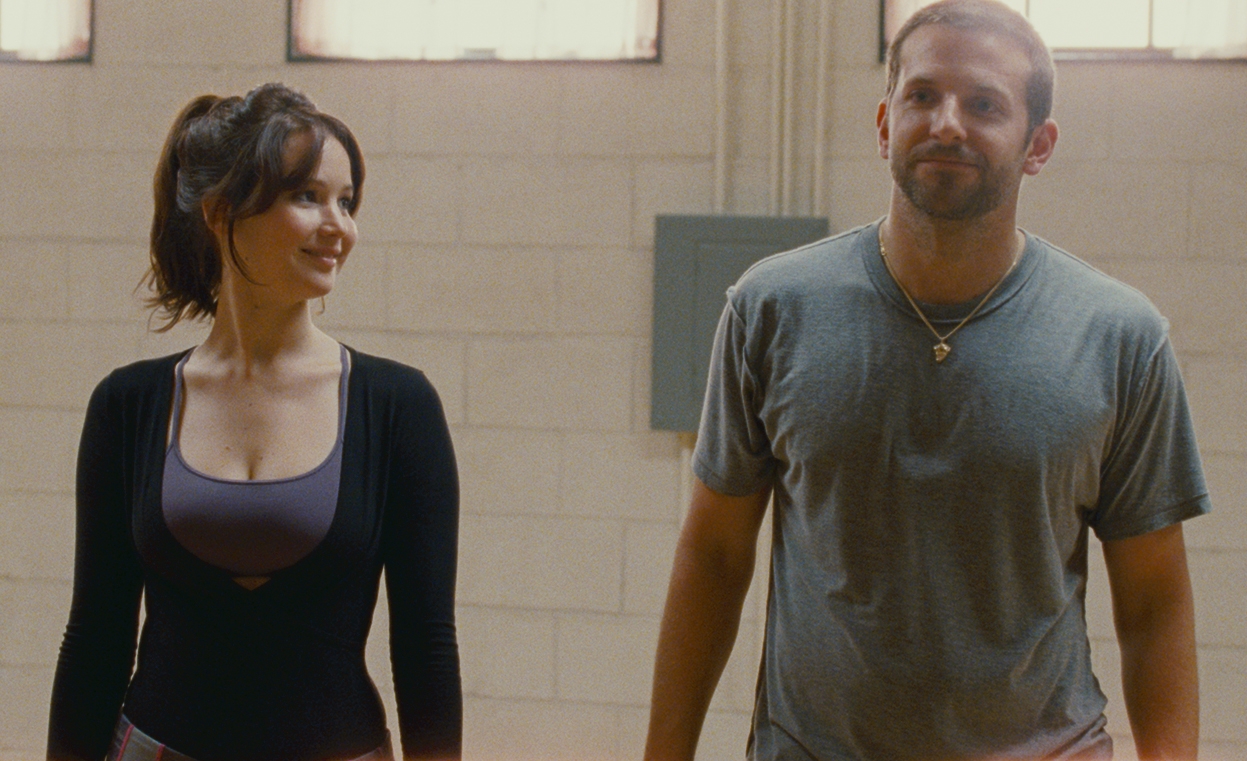
JENNIFER LAWRENCE and BRADLEY COOPER star in SILVER LININGS PLAYBOOK

I want to preface this by saying that I don’t know what I’m talking about.

There are movie blogs out there that have been tracking awards season since late last summer, talking to insiders, tallying up all the myriad critics’ awards and third-string nominations, updating the odds daily on who will win on Oscar night. They are the Nate Silvers of Oscar blogging, or at least they try to be.

This ain’t that place. I love the Oscars, and look forward to my friend Lyn’s Oscar party every year. I’ll be live-tweeting my tail off this Sunday at @robt77 if you’d care to join us. I do pretty well in her Oscar pool, but I’ve never won, and I don’t pretend to be some kind of wunderkind at this sort of thing.

And yet. This Oscar season has been so chaotic, with the perceived frontrunner changing several times in the run-up to Feb. 24, that I have to wonder if Oscar doesn’t have one more big surprise up that place where his sleeve would be if he wasn’t naked.

Just to recap, last fall everybody thought “Lincoln” was going to walk away with it. And while Daniel Day-Lewis surely has it in the bag for Best Actor, that heat cooled a little in December, as the conventional wisdom shifted. Now “Zero Dark Thirty” was going to come out and blow everyone away, seize control of the race.

Then some quibbles about accuracy (unfair ones in my book) came along and hobbled the “Zero” momentum a little. Director Kathryn Bigelow was shut out of a nomination for Best Director when the Oscars were announced Jan. 12, and the “Zero” moment seemed to have past.

Then the Golden Globes came around and awarded “Argo” with Best Drama and Ben Affleck (also overlooked by the Oscars) as Best Director. The Golden Globes are usually a terrible predictor of the Oscars, but all of a sudden “Argo” started picking up awards, from the all-important writing, directing and editing guilds. Whose members, of course, also vote for the Oscars. Seemed like “Argo” had finally achieved frontrunner status and was here to stay.

So, on your Oscar ballot, “Argo” is definitely the safe choice. No question. If anybody would seem likely to pull an upset, it would be “Lincoln” surging back.

Except.

Except that this year has been so chaotic (as opposed to other years when a frontrunner is anointed and never looks back) that I have to think “Argo” isn’t as secure as it looks. And the movie that looks in the best position to pull a last-minute upset is David O. Russell’s “Silver Linings Playbook.” Here’s my reasoning:

1. “Silver Linings” is much stronger than it looks. It has eight nominations, third behind “Life of Pi’ (11) and “Lincoln” (12). More importantly, it has all nominations for all four acting categories, the first time that’s happened since “Reds” in 1981. It’s also the first movie since 2004’s “Million Dollar Baby” to have nominations in what’s known as the “Big Five” — Picture, Director, Screenplay, and Actor and Actress. I think Jennifer Lawrence is a lock for Best Actress, and Robert DeNiro is the frontrunner for Best Supporting Actor.

2. “Silver Linings” is peaking at just the right time. Last fall, I groused for weeks about how “Silver Linings” had opened in 440 theaters on Thanksgiving, but didn’t make it until Madison until Christmas Day. But the slow rollout seems to have worked. That’s the film that everybody I know has seen, that everybody comes into the office Monday morning talking about, week after week.

3. “Silver Linings” is connecting with people. There’s something about “Silver Linings” that just works for an audience, be they mainstream or arthouse, in a way that sticks out in a relatively grim year of “Argo,” “Lincoln,” “Zero” and “Django Unchained.” It’s the mix of comedy, romance and drama, almost the perfect amounts of each, really, and the way the film plays with romantic comedy genre conventions, subverts them in places, but ultimately takes the audience exactly where it wants the movie to go, with a double-backflip happy ending that kind of teases us for wanting happy endings before it gives us one. I think there’s also something powerful about the way the film handles mental illness that really resonates with people. Almost everybody I talk to, it seems, has a brother like Bradley Cooper’s character, or a friend, or a neighbor’s kid. There’s somebody we know who needs some help. There’s something so ultimately hopeful about the message of “Silver Linings,” that if people do the work (and take their meds) and have a strong support system, they can get better. They can be okay. That’s strong stuff.

4. “Silver Linings” was made by the Weinstein Company, and the Weinstein Company knows how to do Oscar campaigns. Sorry to veer abruptly from the most emotional reason to the most cynical, but there it is. The Oscar race is a campaign, and Harvey Weinstein has proven exceptionally good at waging that campaign. I’m seeing ads everywhere for “Silver Linings,” using extended quotes that aren’t from critics, but from writers and commentators and others, often striking those same points that I mentioned in No. 3.  And that’s only what I see, and I’m not even a member of the academy.

The smart money is still on “Argo” or “Lincoln,” both movies I love and would be delighted to see win. But at the end of a crazy awards season, a “Silver Linings” upset would be a triple-backflip of a happy ending, wouldn’t it?