What’s playing in Madison theaters: March 15-21, 2013

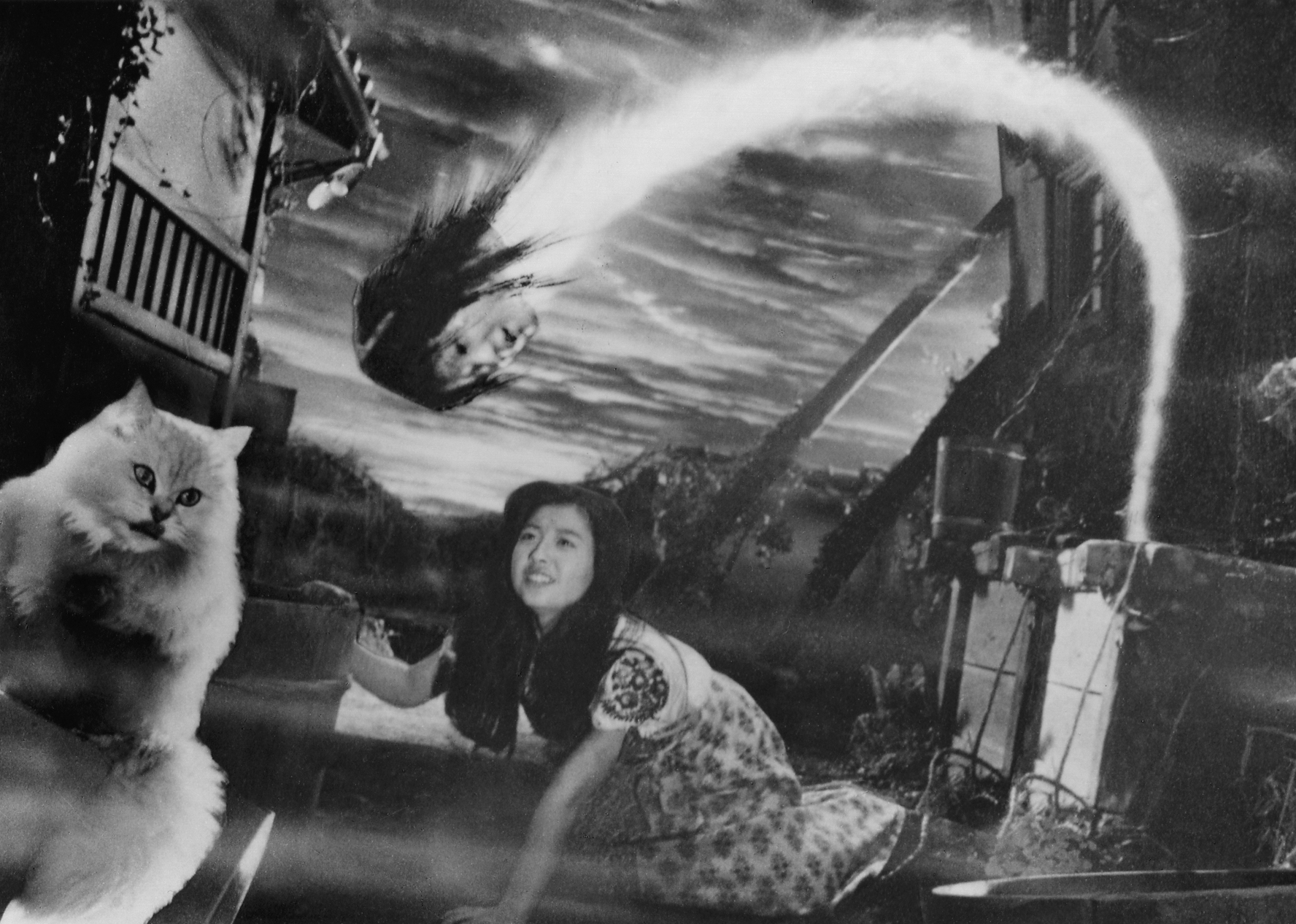
Kumiko Oba ("Fantasy")

Attention  Hollywood: the crummy weather is lasting extra long out here in the upper Midwest, so instead of cavorting outside in the spring weather, we’re staying inside. So please send us better movies. Thank you.

In the meantime . . .

All week:

The Incredible Burt Wonderstone” (Point, Eastgate, Star Cinema, Cinema Cafe, Sundance) — Rival magicians (Steve Carell and Jim Carrey) try to outdo each other on the Vegas strip in this comedy. It could have been funnier, although Carrey commits himself fully to a role as a Criss Angel-like “street magician.” My full review is here.

The Call” (Point, Eastgate, Star Cinema) — I really like director Brad Anderson, who can do horror (“Session 9”) or romantic comedy (“Next Stop Wonderland”) with equal effectiveness. So I’m hoping he elevates this mediocre-looking thriller starring Halle Berry as a 911 operator trying to catch a serial killer she has a history with.

Barbara” (Sundance) — This week’s Screening Room offering is a quietly tense Cold War thriller, set in a small East German town in the early ’80s. Nina Foss plays a doctor torn between defecting to the West and caring for her patients. Highly recommended.

Mindless Behavior: All Over the World” (Star Cinema) — The popular teen R&B group gets a concert documentary the same week that their album hits the streets. Yes, I’m completely out of my depth here.

Friday

Portrait of Jason” (7 p.m. UW Cinematheque, 4070 Vilas Hall, 821 University Ave.) — A very special screening of independent filmmaker Shirley Clarke’s 1967 film about a black gay hustler, the film is as much about the power struggle between filmmaker and subject as it is about its subject. The film has been restored by Milestone Films, and not only will Dennis Doros of Milestone be on hand to talk about the film, but Shirley Clarke’s daughter, Wendy, will talk about her mother and present samples of her own filmmaking. Free!

The Hobbit: An Unexpected Journey” (8 p.m., Union South, 1208 W. Dayton St.) Unexpectedly long, maybe. Peter Jackson’s decision to stretch Tolkien’s nimble adventure yarn into three elephantine epics saps the story of much of its charm and momentum. My full review is here. Free!

Hausu” (midnight, Union South) Listen carefully and closely when I tell you this — “Hausu” is completely and totally bananas, and a midnight screening definitely not to be missed. The phantasmagorically goofy 1977 Japanese horror film is like candy-coated Sam Raimi, as a group of teenage girls fight a vengeful spirit that manifests itself as a cat, a grand piano, a watermelon, and other forms. And even that description makes it sound like it makes more sense than it does. My full review is here. Free!

Saturday

The Hobbit: An Unexpected Journey” (4:30 p.m. and 8:30 p.m., Union South) — See Friday listing.

Face to Face” (7 p.m., UW Cinematheque) — The spaghetti Western series continues with this tale of a gentle schoolteacher’s transformation into a vicious outlaw. Free!

Ong Bak” (midnight, Union South) — I don’t know what he’s up to now, but for a little while there Thailand’s Tony Jaa looked to be the next martial arts superstar. This action film showcases him at his best, with long takes to showcase all of Jaa’s incredible skills. And there’s a plot, too — something about a stolen idol. My full review is here. Free!

Sunday

Kiki’s Delivery Service” (2 p.m., Chazen Museum of Art) — The wildly popular “Cinematheque at the Chazen” series of Studio Ghibli films continues with Hayao Miyazaki’s lovely fable about a witch-in-training who puts her broomstick to good use. Free, but get there an hour early to ensure a seat.

The Hobbit: An Unexpected Journey” (3 p.m., Union South) — See Friday listing.

Monday

Evil Dead 2” (7 p.m., Union South) — With “Oz: The Great and Powerful” in theaters, “Hausu” playing over the weekend and the trailer for an “Evil Dead” remake floating around, now is a perfect time to revisit Sam Raimi’s gonzo horror film, which splits the difference between the genuinely scary lo-fi horror of the first “evil Dead” and the campy comedy of “Army of Darkness.” Free!

Tuesday

The Take” (7 p.m., Union South) — And now, a rare piece of good news from filmmaker, author and anti-globalization activist Naomi Klein. This documentary from Klein and Ari Lewis documents an incredible true story in which a group of Buenos Aires auto workers, laid off from their shuttered auto plant, break in and restart the machines. Their act of defiance sends reverberations into Argentina’s financial and political environment. Free!

Wednesday

Half the Sky” (7 p.m., Union South) — If you enjoyed “Girl Rising” or the “Makers” documentary on PBS, continue your education of women’s rights worldwide with this powerful film inspired by New York Times columnist Nicholas Kristof, about women and girls fighting for change in 10 countries around the world. Free!

Thursday

Video Art Screenings: Between Document and Fiction 2 (7 p.m., Union South) — This is the second of a three-part experimental film series that explores the thin and shaky line between what’s real on screen and what isn’t. Free!
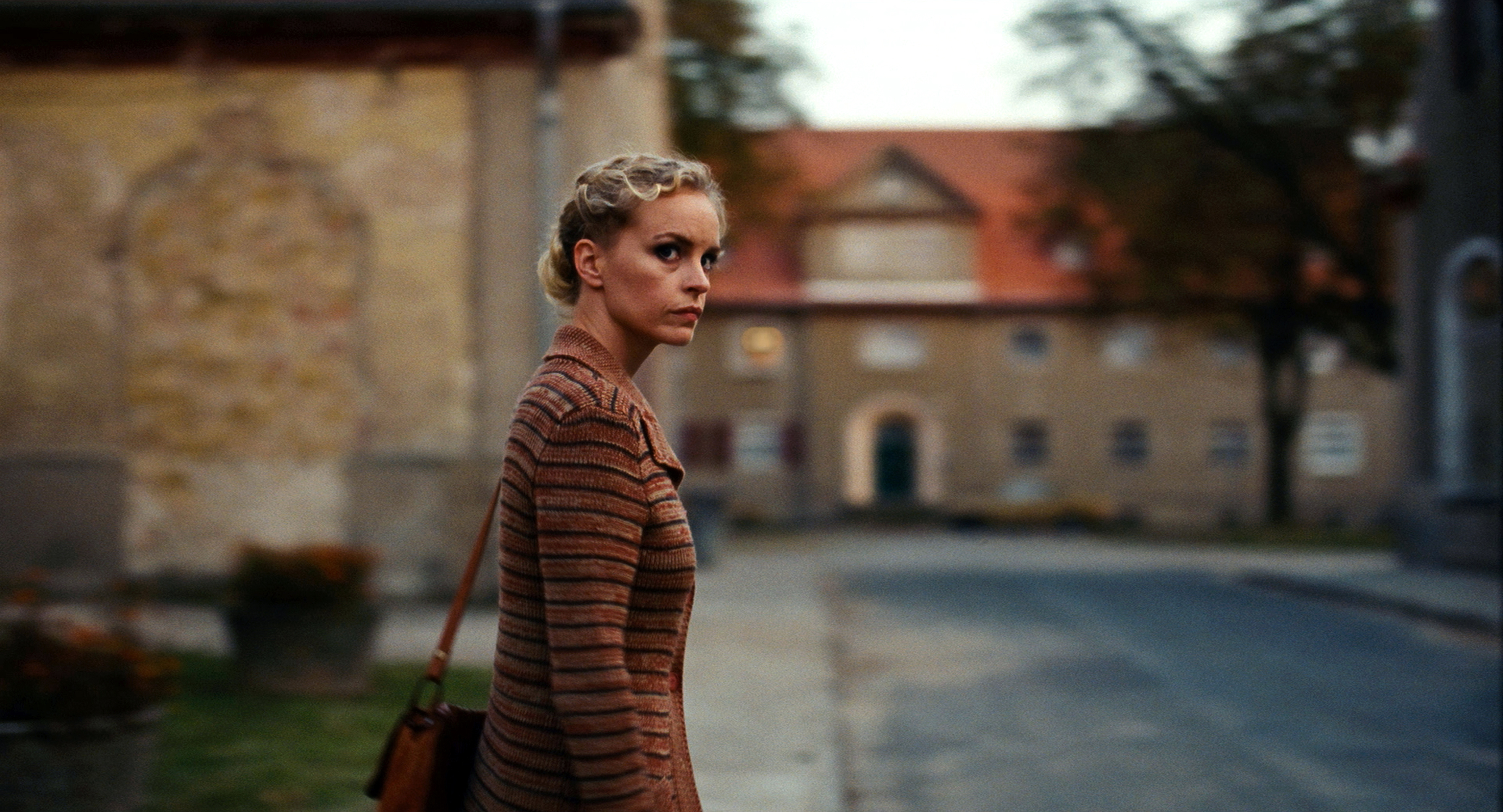
“Barbara”: A desperate doctor tries to save herself

Barbara_04_HF

“Barbara” opens Friday at Sundance Cinemas. PG-13, 1:45, three stars out of four.

It takes a while to get your bearings in Christopher Petzold’s “Barbara.” We know we’re in Germany by the language, but it’s not immediately apparent that the film is set in the early ’80s. And it takes even longer to realize that we’re on the wrong side of the Wall, in a backwater province of East Germany.

That sense of nervous dislocation that the viewer feels in the first few scenes — Where am I? Who is this person? Is she friend or foe? — efficently evokes the muted terror that its characters, especially the title character (Nina Foss) feels. It reminded me of “The Lives of Others,” except that in that film, the secret police are an ever-present, malevolent force. In “Barbara,” we hardly even see the police, but their unseen, watchful presence pervades the film.

Barbara is a doctor from Berlin who has been exiled to the province for some unspecified slight. Foss plays her as composed, almost aloof, but as the film goes on we see the terror lurking beneath that exterior. The police do eventually visit her, suddenly popping up, tearing up her apartment and subjecting her to invasive body searches.

But the real terror begins after they leave, when Barbara nervously looks for them around every corner, wonders if the person she’s chatting with at the hospital, especially the genial doctor Andre (Ronald Zehrfeld), is secretly an informant for the police. In one scene, Andre tells Barbara why he was demoted from Berlin to the provinces, a tragic tale of a medical error with disastrous consequences. Barbara’s response is not compassion, but suspicion that Andre is an informant and the story is a cover. She has either correctly perceived a threat, or pushed away the only person in the area to attempt to connect with her. She’ll never know which.

And, it turns out, Barbara has reason to worry. She’s saving up enough money to defect with her West German lover, and is frightened that her plan will be found out. But at the hospital, she can’t help but be concerned for her patients, including a teenage girl who nearly died from meningitis at a work camp, and a teenage boy who may have suffered brain damage in a suicide attempt.

“Barbara” is a drama made up of quiet moments and meaningful glances. But they start adding up, pushing Barbara towards a difficult moral decision. In a way, her path reminded me of Rick’s in “Casablanca,” whether to flee evil or stay and do whatever good, however small, within its borders. It’s a quiet film and, with its somewhat cryptic title, one that audiences could easily overlook. But try not to — there’s a lot going on beneath those still waters.

DVD review: “Smashed”

smashed-movie-pictures00-005

Alcoholics don’t look like this, do they?

Kate is a charming twentysomething living in Los Angeles, fond of peasant dresses, indie rock and devoted to her kindergarten class. Sure, she’s also devoted to her booze; in the opening credits of “Smashed,” we see her with a bottle of beer in the shower and a nip from a flash before she enters school. But she’s not like an “alcoholic,” right?

James Ponsoldt’s excellent and insightful drama challenges our preconceptions of what drunks look and act like. The addiction drama is well-worn territory for movies, but by staying truthful and not melodramatic, “Smashed” finds a way to make an alcoholic’s descent and recovery feel like fresh territory again.

Mary Elizabeth Winstead is indeed completely likable as Kate, and she and her trust-fund husband Charlie (Aaron Paul) make exactly the sort of couple we’d like to hang out with on a Saturday night. Kate is high-functioning, until one morning in class when she vomits into a wastebasket. She panicks and tells the principal (Megan Mullaly) that it’s morning sickness, but the vice principal (Nick Offerman, Mullaly’s husband) is himself a recovering drunk who knows what he sees. He offers to become her AA sponsor, but she’s in complete denial about her problem.

She finally realizes the extent of her problem after a terrible night in which she tries smoking crack for the first time and ends up sleeping on the street. What’s extraordinary about this sequence is that it’s presented so clearly, not in a boozy “Lost Weekend” sort of haze but in a very real series of small, bad decisions fueled by alcohol.

“Smashed,” written by Susan Burke, is just as wise about recovery. The world of bad coffee, store-bought cookies and 12 steps is just so . . . uncool compared to Kate’s former life. But she learns to listen to her fellow addicts (including Offerman, terrific in a mostly dramatic role, and “The Help” Oscar winner Octavia Spencer) and recognizes herself in their stories. But as she bonds with them, she starts pulling away from Charlie, who can’t understand why she can’t just continue with their freewheeling lifestyle, with all the same friends and parties, and just not drink. But that’s the painful truth at the core of “Smashed”; in order to build a new life, you might have to tear down parts of the old life that are hard to part with.

In the end, the film doesn’t treat sobriety as any sort of magic solution, and Kate ends up with more problems sober than she had drunk. But at least now she’s facing them, honestly, and there has to be some kind of triumph in that.

What’s playing in Madison theaters: Feb. 15-21, 2013

A-GOOD-DAY-TO-DIE-HARD-Official-Trailer-2-2013-H-1684

It’s the semi-triumphant return of the “What’s Playing” column! Each Friday, I survey the Madison movie landscape and let you know what’s on around town, from the big multiplexes to the smaller campus theaters.

A Good Day to Die Hard” (Point, Eastgate, Star Cinema, Sundance, Cinema Cafe) — Oh, I so wanted this to be good, but judging by the reviews (13 percent Fresh on Rotten Tomatoes), this is neither “good,” nor “Die Hard,” and feels like it takes about a day to watch. Discuss.

Safe Haven” (Point, Eastgate, Star Cinema, Sundance, Cinema Cafe) — Yet another romantic drama from novelist Nicholas Sparks, directed by Lasse Hallstrom (“My Life as a Dog”), which makes me a little sad. So Julianne Hough is a thing now, right? Have to get used to that.

Beautiful Creatures” (Point, Eastgate, Star Cinema) — A Southern-fried “Twilight” (pronounced “Twa-laahtt”?) with witches and warlocks and Emma Thompson as the villain, which is intriguing.

Escape From Planet Earth” (Point, Eastgate, Star Cinema) — It’s never a good sign when animated films aren’t screened for critics ahead of time.

The Other Son” (Sundance) — An Israeli teen and a Palestinian teen discover they were switched at birth in this humane drama that isn’t at all like “Celebrity Wife Swap.” My full review is here. Sundance is also keeping the Oscar-nominated live action and animated shorts around for at least another week.

Le Port Du Nord” (UW Cinematheque, 4070 Vilas Hall, 7 p.m. Friday, FREE) — A mystery without a solution, a riddle without an answer, this little-seen 1981 gem from French director Jacques Rivette follows two women on a mysterious quest around Paris, collecting cryptic clues and dodging traps. It was never released in the United States.

Hail the Conquering Hero” (UW Cinematheque, 7 p.m. Saturday, FREE) — An ordinary discharged soldier is mistaken for a war hero in Preston Sturges’ riotous comedy about blind patriotism and celebrity, part of a series of classic Sturges films this semester.

Only Yesterday” (Chazen Museum of Art, 2 p.m. Sunday, FREE) — The Cinematheque’s amazing series of Studio Ghibli films at the Chazen continues with “Only Yesterday,” a surprisingly nuanced and humane look at the life of an ordinary office worker against the backdrop of a changing Japan.

Beasts of the Southern Wild” (Union South Marquee Theater, 7 p.m. Friday and 9 p.m. Saturday, FREE) — The undisputed underdog of the Best Picture race is this gritty and lyrical fable about the denizens of a forgotten Louisiana community called the Bathtub, and one plucky little girl’s quest to find her mother.

Life of Pi” (Union South Marquee Theater, 9:30 p.m. Friday and 3 p.m. Sunday, FREE) — At first I thought Ang Lee’s adaptation of Yann Martel’s novel might be a little too squishy for my tastes, but it is a beautiful and understated fable as well as a riveting survival story. It may make you rethink that sailing trip you were planning with your favorite tiger, though.

Dredd” (Union South Marquee Theater, midnight Friday, FREE) — Karl Urban plays the comic-book judge, jury and executioner in a dystopian action film that doesn’t look any better than that Stallone version from the 1990s (although at least this one doesn’t have Rob Schneider).

Sleep Tight” (Union South Marquee Theater, 7 p.m. Saturday, FREE) — And you think you have landlord issues. In this Spanish chiller, the doorman at an apartment building develops an unhealthy fixation on one of the tenants.

Bad Lieutenant: Port of Call New Orleans” (Union South Marquee Theater, midnight Saturday, FREE) — The combustible combination of director Werner Herzog and actor Nicolas Cage leads to one of the strangest police procedurals in memory, marching to the beat of its own jittery, crack-addled drummer. My full review from 2010 is here.

Bill Cunningham New York” (Union South Marquee Theater, 7 p.m. Tuesday, FREE) — A series of fashion-related films co-sponsored by the Textile and Apparel Student Association continues with this lovely documentary about the New York Times “On the Street” photographer, who prowls the streets by bicycle looking for beauty. My full review is here.

Soul Food Junkies” (Union South Marquee Theater, 7 p.m. Thursday, FREE) — This documentary looks at the health benefits and costs of soul food, a quintessential American cuisine.

“The Other Son”: An Israeli and a Palestinian, switched at birth

the-other-son-the-boys-meet-each-other

“The Other Son” opens today at Sundance Cinemas; PG-13, 1:45, 3 stars (out of 4).

Joseph is a Dylan-loving Jewish teenager living in Tel Aviv. Yacine is a Palestinian medical student living on the other side of the wall. Under normal circumstances, they would never meet.

Except that they did cross paths once, as newborn babies born in the same hospital during the tumult of the first Gulf War. And, in the midst of that turmoil, they were switched at birth.

The premise for Lorraine Levy’s “The Other Son” sounds like something out of a soap opera, or an unusually political-minded episode of “Celebrity Wife Swap.” But the film, which opens at Sundance Cinemas today as part of the Screening Room calendar, goes to great lengths to make us believe its premise, and then use it to make a humane and surprisingly hopeful film about Israeli-Palestinian relations.

When Joseph (Jules Sitruk) applies for his mandatory military service, his physical shows that his blood type doesn’t match his parents. His mother, a French doctor (Emmanuelle Devos), discovers that her son isn’t really hers. She’s raising the son of a Palestinian couple on the West Bank, while they have her son, Yacine (Mehdi Dehbi).

Of course, it’s not so easy to simply switch them back 18 years later. Both Joseph and Yacine are devoted to their families, and perhaps more keenly devoted to their cultures. As the news sinks in, Joseph says, “I don’t feel Jewish, but I don’t feel Arab either. I don’t feel anything.” He goes to his rabbi, who, tears in his eyes, says that Joseph must now convert to Judaism, the religion he has lived since birth.

The Palestinian parents, especially the father, are more angered at the news; harboring resentment against the Israeli government, he sees it as one more attempt by the Israelis to take away what’s his. It’s at this point “The Other Son” faces a choice — it could have been a bleak message movie about the intractability of tribal identity and ethnic strife, or it could have been a film about our ability to transcend those identities.

Levy chooses the latter path, which is moving without always being convincing. The view of the Israeli-Palestinian divide seems milder than we’ve seen in other movies, the checkpoints more of a mild nuisance than a true insult. Or maybe it’s that we’re so used to seeing the conflict heightened in other films that the sight of everyday, uneventful life in the occupation is so striking.

And I think there is some truth to the idea that politics can fall by the wayside once your family is involved. Look at the conservative politicians who embraced gay marriage once they learned a son or daughter was gay, or went to bat for stem-cell research after they learned an ailing granddaugher could benefit. Levy is smart to make this transformation hesitant and awkward, with the two sons quicker to bond than their parents.

“Isaac and Ishmael,” Yacine says as the two boys look at themselves in the mirror. Go back far enough, past centuries of strife, and they are part of the same family after all.

DVD review: “Skyfall”

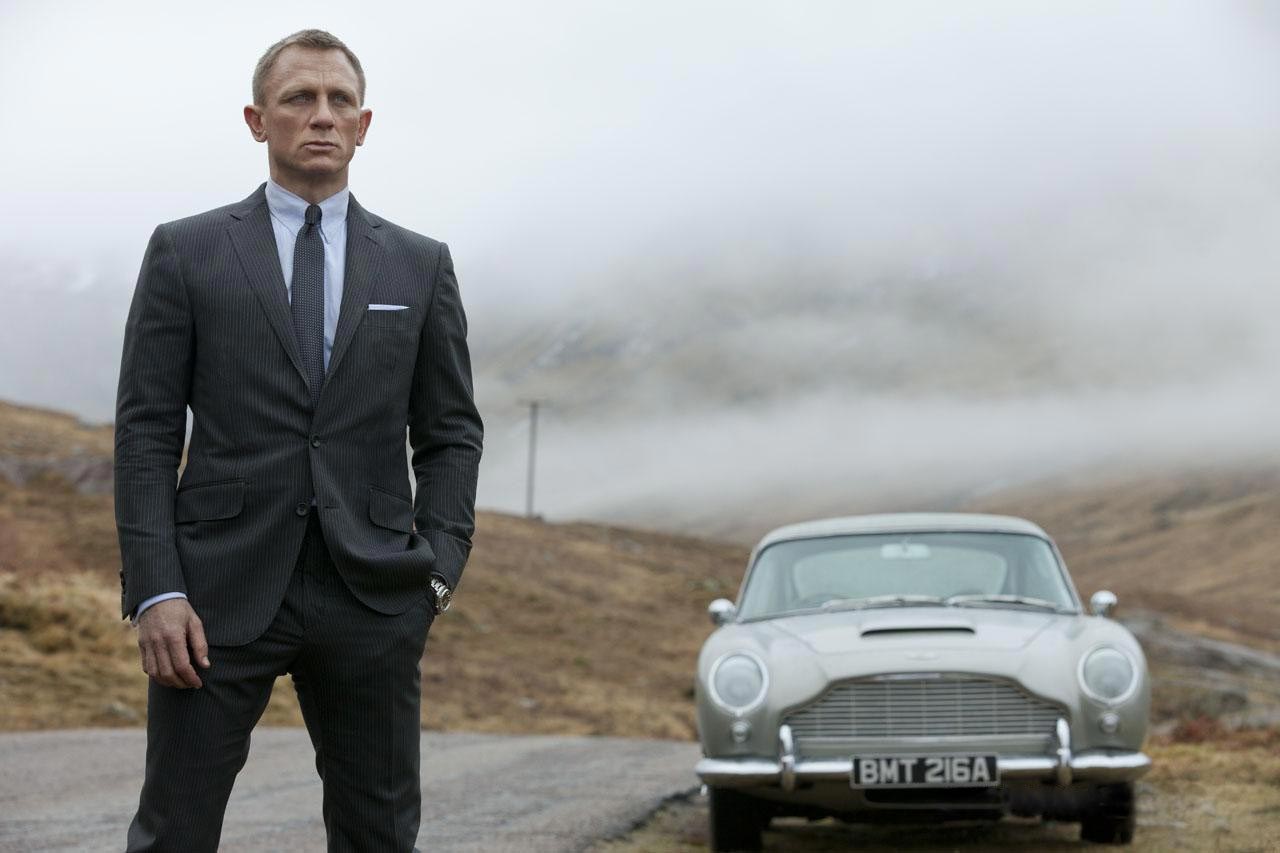
daniel-craig-skyfall3

The James Bond franchise decided to celebrate the 50th anniversary of 007 on film by making a lot of those other Bond movies look bad.

I say that with a lot of affection and respect, as a kid who taped “Thunderball” and “The Spy Who Loved Me” and all the rest off the “ABC Friday Night Movie” and watched them over and over and OVER again. There are some great Bond movies and some not-so-great ones, but none are less than entertaining. But “Skyfall” is a great James Bond movie, and it’s a great movie to boot. (Here’s my original review from last November.)

The key, oddly enough, wsa the financial troubles going on at MGM Studios, which delayed the production of “Skyfall” by some two years (Bond movies tend to come out every two years, the last being 2008’s “Quantum of Solace,” which had the opposite problem — it was rushed into production because of the writers’ strike.) But that extra time was used well, as the producers were able to attract Oscar winner Sam Mendes (“American Beauty,” “Road to Perdition”) and screenwriter John Logan (“Gladiator”). Their presence meant the movie was able to attract a cast much stronger than the usual Bond movie, including Javier Bardem, Ralph Fiennes and Albert Finney, and a much stronger filmmaking crew, including the legendary Roger Deakins as cinematographer.

The result is a film that has all the hallmarks of great Bond — gangbusters opening action sequence, exotic locations, and one of the best villains in decades — but with a lot more. The film is more daring visually — that one fight in the Shanghai high-rise, shot in one take in silhouette, neon jellyfish undulating behind the fighters, is something else — but more more daring narratively. Left for dead by M and MI6 (the closest thing to a mother and his family), Bond spends the first half of the movie hesitant, vulnerable, emotionally brittle. Watch it again on DVD, and you see how marvelously subtle Daniel Craig’s performance is — he plays Bond trying to project the invulnerable 007 to everyone around him, yet clues the audience in on how much damage he’s really trying to recover from.

“Skyfall” came out on DVD and Blu-ray this week, and the Blu-ray is the one to pick up, not just for the superior visual quality, but because it has a lot more extras. There are over two hours of “Shooting Bond” featurettes detailing everything from the characters to the locations to the opening and closing sequences. And there are two commentary tracks, one by the producers and one by Mendes.

I really like the chatty and informative Mendes track, which has some of the usual isn’t-this-best-boy-great glad-handing but is pretty insightful in digging into the inspiration behind certain scenes, isolating moments in the performances that might otherwise fly by. On the first day of shooting for Bardem, at Charing Cross Station, Mendes recalls standing with Craig watching Bardem’s performance, specifically how he adds a delighted giggle at one moment that wasn’t in the script. “This is going to be fun,” Craig murmured. He was right.

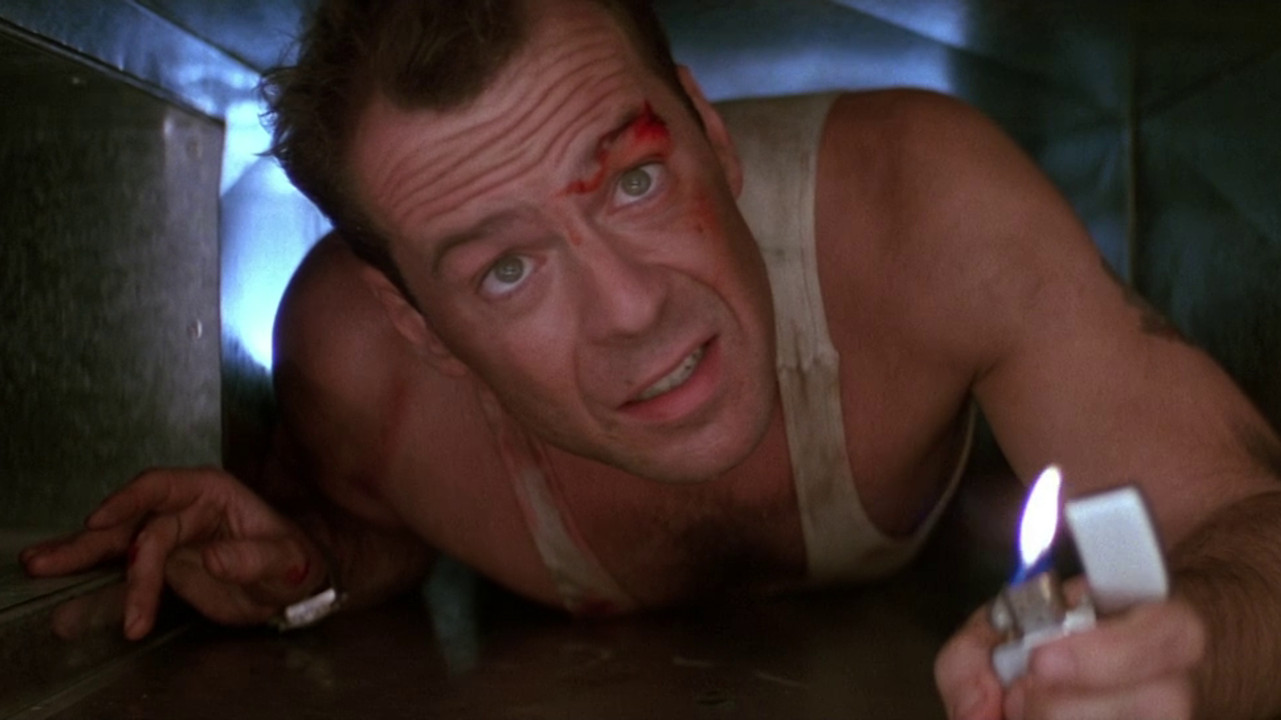
John McClane, a Timex watch in a digital age

die-hard-original

There are some moviegoing experiences you vividly remember, even aside from what you thought aobut the movie. Seeing “Die Hard” in the summer of 1988 was one of them. I went with a couple of friends to see it at the old Continental in Denver, as a joke really, thinking we’d make fun of it in the way that teenage boys do. Come on, the guy from “Moonlighting” in an action movie? He looked ridiculous in the trailer. Should be good for a laugh, anyway.

And, as we’re in the lobby, heading towards the theaters, we see the crowd from the previous screening letting out. In the midst of the throng is another friend of ours, Kevin. He sees us, and has this dazed look in his eyes. “Best action movie ever” he says fervently. Really? Couldn’t be.

Of course, we undoubtedly had that same glazed happy look when we left the theater two hours later. And the “Die Hard” franchise was born.  So, with AMC Star Cinema hosting an all-day “Die Hard” marathon today, and with the fifth installment in the franchise, “A Good Day To Die Hard,” opening Thursday, it seems like a good time to look back at the very eventful life of John McClane, terrorist magnet.

First off, the original “Die Hard” is just an incredibly well-made action movie that holds up beautifully today — watching it is a Christmas tradition for more than one family I know. A large part of that is its economy, how it uses the confined space of a few upper floors of an office building as a battlefield. You always know exactly where McClane is, exactly where the bad guys are. And, of course, the movie has perfect opposites in its hero and villain — the sweaty, bloody, blue-collar cop and the refined, amused, suit-coveting German villain. “Die Hard” is one of those movies where every element works (well, aside from that last from-the-dead appearance by Alexander Godunov — that felt a little tacked on, right?)

A sequel is amost inevitably a step down, but it was clear right from the get-go that “Die Hard 2” would be a big step down. First off, William Sadler’s psychotic super-soldier is just no match for Alan Rickman’s Hans Gruber. Doing naked tai chi in your hotel room, then aiming your TV remote like a gun? That’s actually not scary at all, dude. Kind of lame, actually.

The sudden deaths of innocents in the first “Die Hard” were genuinely shocking at the time, such as Gruber coldly executing Mr. Takagi. But Renny Harlin’s “Die Hard 2” just tried too hard to make its villains seem villainous, resulting in some gratuitous cruelty that really saps the fun out of the movie. How could anyone possibly think it would be a good idea to crash a planeload of innocent passengers — killing more people than were even in the original “Die Hard” — just to establish the bad guy’s bona fides? It’s a grievous miscalculation, as are the laborious attempts to fit in minor characters, like William Atherton’s slimy reporter, into the film somehow.

For me, the “Die Hard” movies work best when they have a clear sense of their environment, that you have good guys and bad guys maneuvering within a defined space, an arena. What’s surprising about 1995’s “Die Hard with a Vengeance” is that “arena” is really all of New York City. But it still works because returning director John McTiernan uses the geography of Manhattan much as he did the top 5 floors of Nakatomi Plaza. If you’re a New Yorker, you know exactly where Bruce Willis and Samuel L. Jackson are at all times. One of my favorite moments is that pell-mell car ride down the length of Manhattan, when McClane not only thinks to call in a fake 911 call so he’ll have an ambulance to use “as a blocker,” but he knows which hospital to call, and how far the ambulance’s call area is.

If there’s anything that today’s modern CGI action movies lack, it’s that sense of spatial grounding. Once you can use digital effects to show anything, from any angle, a director can sometimes forget about those parameters in a hunt for something that just looks cool. What’s funny is that, at the time, “Vengeance” was considered over-the-top, and for years Willis would insist that a fourth “Die Hard” would return to the original’s gritty roots, possibly with McClane using only his wits to survive bad guys in the South American jungle. So much for that.

Which brings us to “Live Free or Die Hard.” The bad guy in this 2007 film (a miscast Timothy Olyphant) calls McClane a “Timex watch in a digital age,” which sums up both the problems with the fourth installment, but also its saving graces. Director Len Wiseman chases bigger, better, more implausible stunts at every turn — John McClane jumps on the wing of a fighter jet! John McClane knocks a helicopter out of the sky with a police car! — because that’s the way action movies are done now. The film rushes headlong from one setpiece to the next, one effect to the next. For minutes at a time, it could be any action movie.

What saves it, and what makes it pretty fun, is Willis as McClane, still beaten and bedraggled as he was crawling through those air ducts almost 20 years earlier, still smirking away at all the mayhem around him. That the movie ends not with a big blockbuster climax, but with a quick, violent shootout, showed that the “Live Free” did keep its connection, however tenuous, to the series.

Which brings us to “A Good Day to Die Hard,” which sends McClane to Moscow to battle a new army of baddies with his estranged son. The previews showcase big, implausible action that makes “Live Free” look like a modest little thriller, and now the fate of the world rests on his shoulders.

It could be fun. But I can’t help but miss the guy crawling through the air ducts, the perfectly-wound Timex watch of action heroes.

Wisconsin director’s action thriller “A Lonely Place for Dying” banned in Russia

lonelyplacefordying

In Russia, Cold War spy thrillers watch you.

Okay, that may not make much sense, but I’ve never been one to pass up a quality Yakov Smirnoff reference. And it is true that, in the case of one Cold War thriller with Wisconsin ties, Russians won’t be able to watch it.

New Berlin-based writer-director Justin Eugene Evans said last week that his film “A Lonely Place for Dying,” which screened at the Barrymore Theatre last May, has been banned by censors from playing on movie streaming websites in Russia. No reason for the ban was given by government censors, but the government also knocked back Evans visa application to visit Russia to promote the film. That suggest to Evans that the government finds the film’s content to be objectionable.

“This film is about a time and place in history that no longer exists,” Evans told Crave Online. “I don’t see why anyone in the Russian Federation would be offended by our observations of the Soviet Union and the KGB.”

Which is weird, because the KGB agent in “A Lonely Place for Dying” is arguably the most sympathetic character in the movie. The film takes place in 1972, and a KGB double agent working for the CIA discovers that the agency is illegally bombing the country of Laos with deadly sarin gas. He arranges a meeting with a reporter at an abandoned Mexican prison, but the CIA gets wind of the leak and sends an agent to kill him.

Evans, a videogame art director and stay-at-home dad, made “A Lonely Place For Dying” for a paltry (by Hollywood standards) $200,000, using an array of digital tricks to make the film look more expensive than it is. Although it has some clunky moments, it’s overall an entertaining and engrossing film. American audiences will be able to see the film — it begins streaming on ITunes today (Feb. 12).

By sheer coincidence, the movie has one other Wisconsin connection this week. The newspaper editor that the KGB agent contacts is played by James Cromwell, who made headlines last week when he stormed into a UW Board of Regents meeting lsat Thursday to protest research experiments being conducted on cats.

Diana Vreeland doc kicks off fashionable film series at UW

Image

“Diana Vreeland: The Eye Has To Travel” plays for free at 7 p.m. Tuesday at Union South Marquee Theater, 1308 W. Dayton St. Not rated; 1:25.

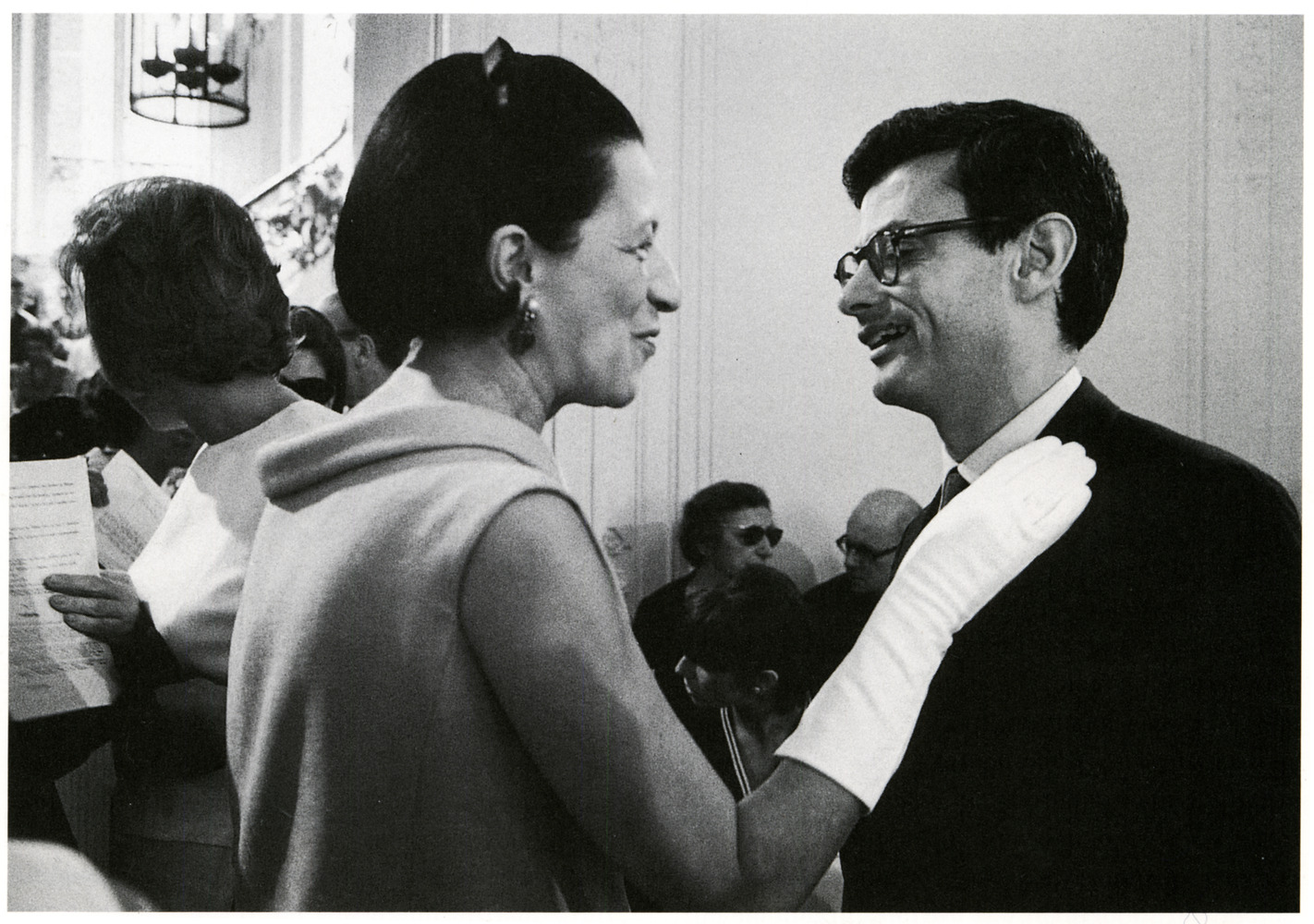
I had pen and paper in hand while watching “Diana Vreeland: The Eye Has To Travel,” ready to catch the money quote that would sum up the life and philosophy of the iconic fashion magazine editor.

Eventually, I gave up. Every sentence out of the woman’s mouth was eminently quotable, as if she was always being interviewed. That eternal public persona was appropriate, I suppose, for a woman who celebrated the beauty of artifice, who didn’t think a woman was truly herself until she was completely dolled up in her haute couture armor, ready to take on the world.

“The Eye Has To Travel” is an entertaining and brisk walk through Vreeland’s long life, mostly letting her tell her own story because, really, who would have the temerity to interrupt her? It’s out on DVD from EOne Entertainment, plays for free Tuesday night at Union South, the first of a series of fashion-related films co-sponsored by the Wisconsin Union Directorate and the Textile and Apparel Student Association.

The documentary uses as its backbone a transcript from a lengthy 1983 interview Vreeland did with George Plimpton at the age of 80. Soundalike actors read the transcript, so Vreeland gets to tell her own story of growing up in France during the Belle Epoque. (“Arrange to be born in Paris,” she advises. “Everything else follows quite naturally.”) She had a knack for being in the right place at the right time almost since birth, aside from summers spent in the Rocky Mountains as a girl. She loved horses, but the frontier life wasn’t for her.

From there, she spent a quarter-century as fashion editor of Harper’s Bazaar, then went on to become editor-in-chief of Vogue. She hobnobbed with celebrities, oversaw outrageous fashion shoots where money was no expense, and embraced high culture as well as low, the latest trends as well as historical costumes.

Producer and director Lisa Immordino Vreeland (Diana’s granddaughter-in-law) interviews dozens of her friends and colleagues, from Calvin Klein to Anjelica Huston, to paint a portrait of a woman who was joyfully driven. But the film treads lightly over Diana’s personal life; we learn that her mother was a difficult woman who treated Diana as an ugly duckling, but she firmly brushes off any attempt to psychoanalyze her.

The closest we get to Vreeland’s personal life is in her lifelong devoted marriage to Reed Vreeland. But when he dies in 1966, we learn that Diana wore white to the funeral. Even in her darkest hour, it seems, she couldn’t resist making a fashion statement.

The series continues next Tuesday, Feb. 19, with the fascinating documentary “Bill Cunningham New York,” about the eccentric and humanist photographer for the New York TImes’ Sunday Style section. On Tuesday, Feb. 26, the series will show “Funny Face” with Audrey Hepburn as a bookstore clerk who just happens to fall into the world of modeling.

“Hyde Park on Hudson”: The only thing we have to fear is an uninspired biopic

Hyde-Park-on-Hudson

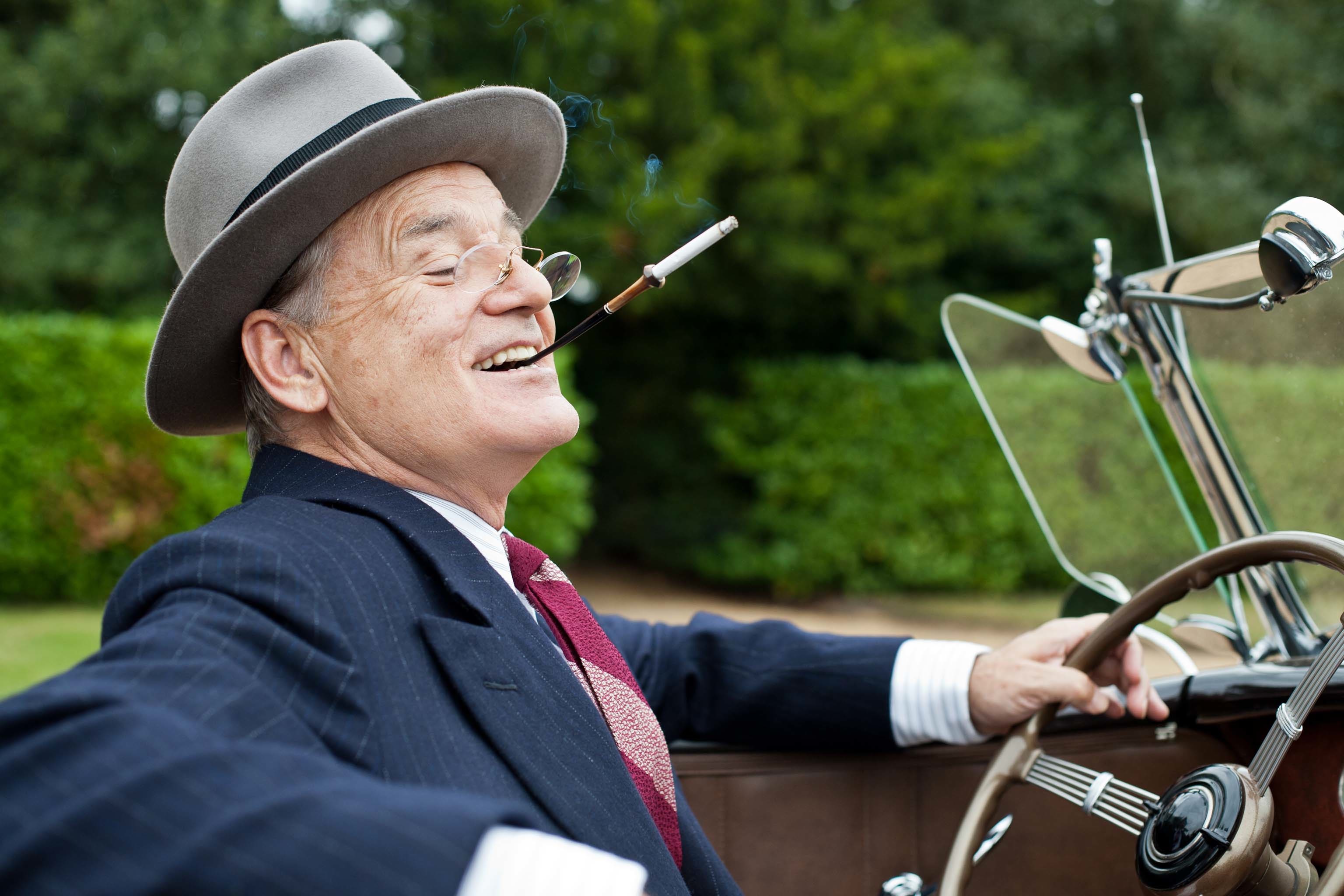
Boy, what happened to this movie? When I first started seeing the trailer for “Hyde Park on Hudson,” I thought for sure it looked like a big Oscar contender. Historical drama, a little overlap with “The King’s Speech,” and one of Hollywood’s most beloved actors, Bill Murray, stretching himself in what looked like a convincing fashion playing FDR. At the very least, I thought, we’d have two ex-Presidents duking it out for the Best Actor Oscar.

Instead, “Hyde Park” didn’t get any Oscar nominations, little love from critics and audiences, and now finally limps into Madison in February for less than a week (Sundance Cinemas is pulling it Thursday to make room for “A Good Day to Die Hard” — the indignity!). What happened?

Unfortunately, the movie happened. Although Murray is good as FDR, the movie around him is a mess, never sure whether it’s a historical drama or a comedy, and way too tentative about its subject matter, watching events from a careful, dull distance. The two subjects — FDR’s invite of the King and Queen to American to discuss America’s possible intervention in World War II, and FDR’s many affairs, including with a distant cousin (Laura Linney) — never fit together at all. In the end, “Hyde Park” reminded me a lot of “The Iron Lady” or “My Week With Marilyn,” in which a great act of historical impersonation is surrounded by a middling movie that doesn’t live up to it.

My review for the Capital Times is here.