Blu-ray review: “La Dolce Vita: The Criterion Collection”

la-dolce-vita

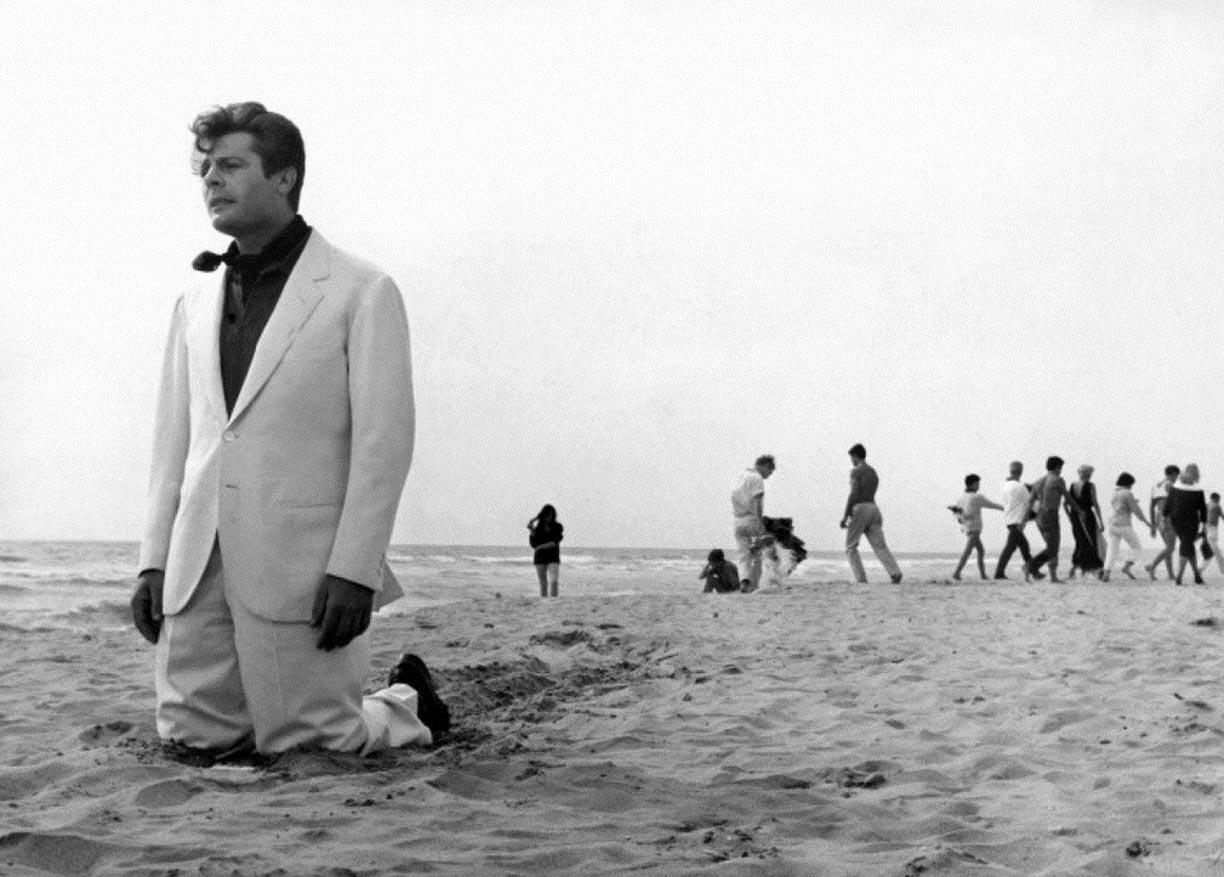
I found myself with a lot of trepidation in writing about Federico Fellini’s “La Dolce Vita.” It’s one of my favorite movies ever, now re-released in a new Blu-ray edition from the Criterion Collection. But what could I possibly add to the mountain of great film writing already accumulated around one of the greatest films ever made, perhaps the greatest Italian film?

And how could I even begin to encapsulate all that’s there in the nearly three-hour film, stuffed with allegory and politics, poetry and satire, romance and disillusionment? Could a food critic review an entire buffet?

Continue reading

“Hearts and Minds”: Why we fight, and fight, and fight

heartsandminds

There’s more than a whiff of bitterness to the title of Peter Davis’ landmark documentary “Hearts and Minds,” now reissued by Criterion in a new Blu-ray edition. The phrase refers to a Lyndon B. Johnson speech suggesting that the Vietnam War would be won not just tactically, but philosophically. We could not only defeat the North Vietnamese but turn the Vietnamese people into our spiritual allies, winning their hearts and minds for freedom and democracy.

Continue reading

“Judex”: A master filmmaker honors (and subverts) a silent classic

judex

“Judex” was one of several silent movie serials made by director Louis Feuillade, and it left a major impression on one of the many French childen who went to the cinema in the 1910s. That child was Georges Franju, who would later go on to make the classic chiller “Eyes Without a Face.” After “Eyes,” he decided to make his own “Judex.”

Continue reading

Blu-ray review: “Riot in Cell Block 11: The Criterion Collection”

cellblock11

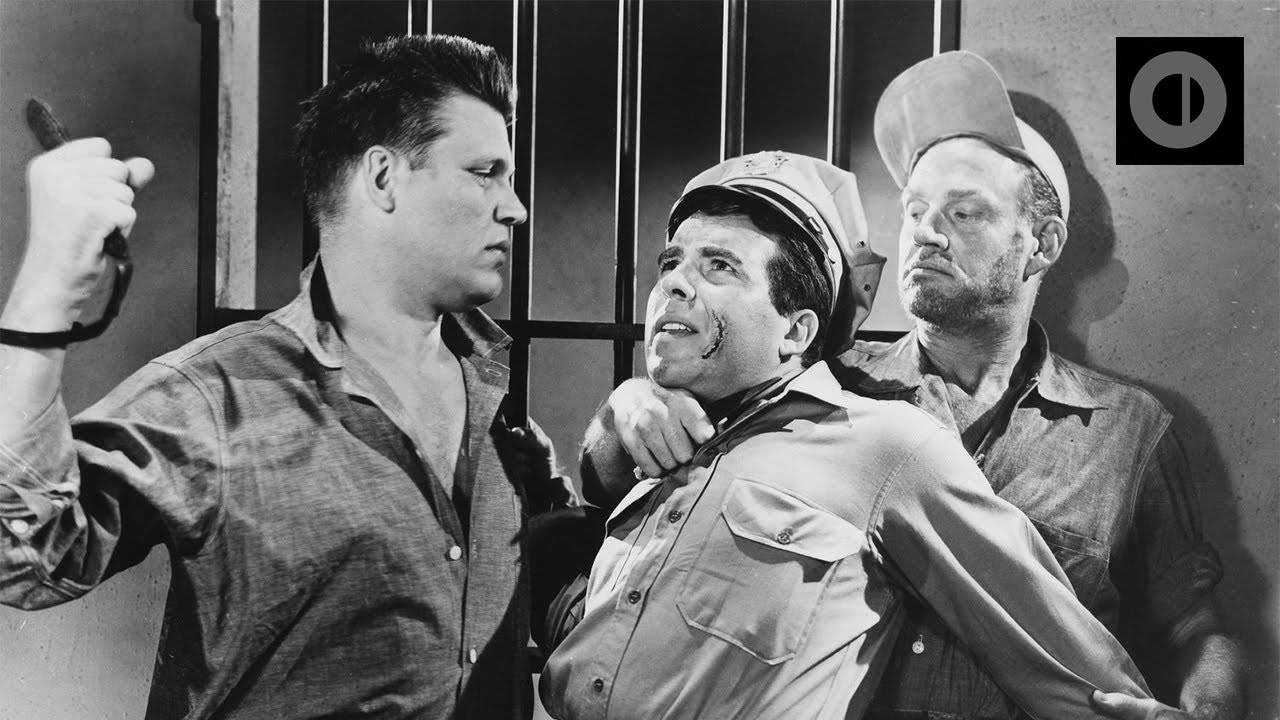
There’s no question that “Riot in Cell Block 11” looks like it was made in 1954. There’s something a little bit square about it, from the get-them-in-their-seats provocativeness of the title to the faux newsreel that opens the film, laying out its prison reform themes so baldly that nobody can miss them.


But dig down into “Cell Block 11,” and you find a potboiler drama that was both far ahead of its time and, in some ways, far ahead of ours.

Continue reading

Blu-ray review: “Throne of Blood: The Criterion Collection”

ThroneofBloodStill3

In the essay accompanying the new DVD/Blu-ray release of Akira Kurosawa’s “Throne of Blood,” Stephen Prince seems demur a little on the idea that the film is an adaptation of Shakespeare’s “Macbeth.” “While the description is certainly not untrue, the film is much more than a direct cinematic translation of a literary text.”

True, but then the best adaptations aren’t mere translations anyway, but embrace the new medium in exciting and unexpected ways. And “Throne of Blood” certainly has the backbone of Macbeth — the tale of a warrior who, blinded by a supernatural prophecy and urged by his scheming wife, betrays his friends and superiors in a bid for the throne.

And Prince is right — aside from an “Out damned spot!” I didn’t catch a line of “Macbeth” anywhere in “Throne of Blood” (in fact, it’s said Kurosawa never consulted the original text while making the film.) Instead, the 1957 film is a brilliant mix of historical epic and stage drama, at times putting the two genres side by side to great effect.

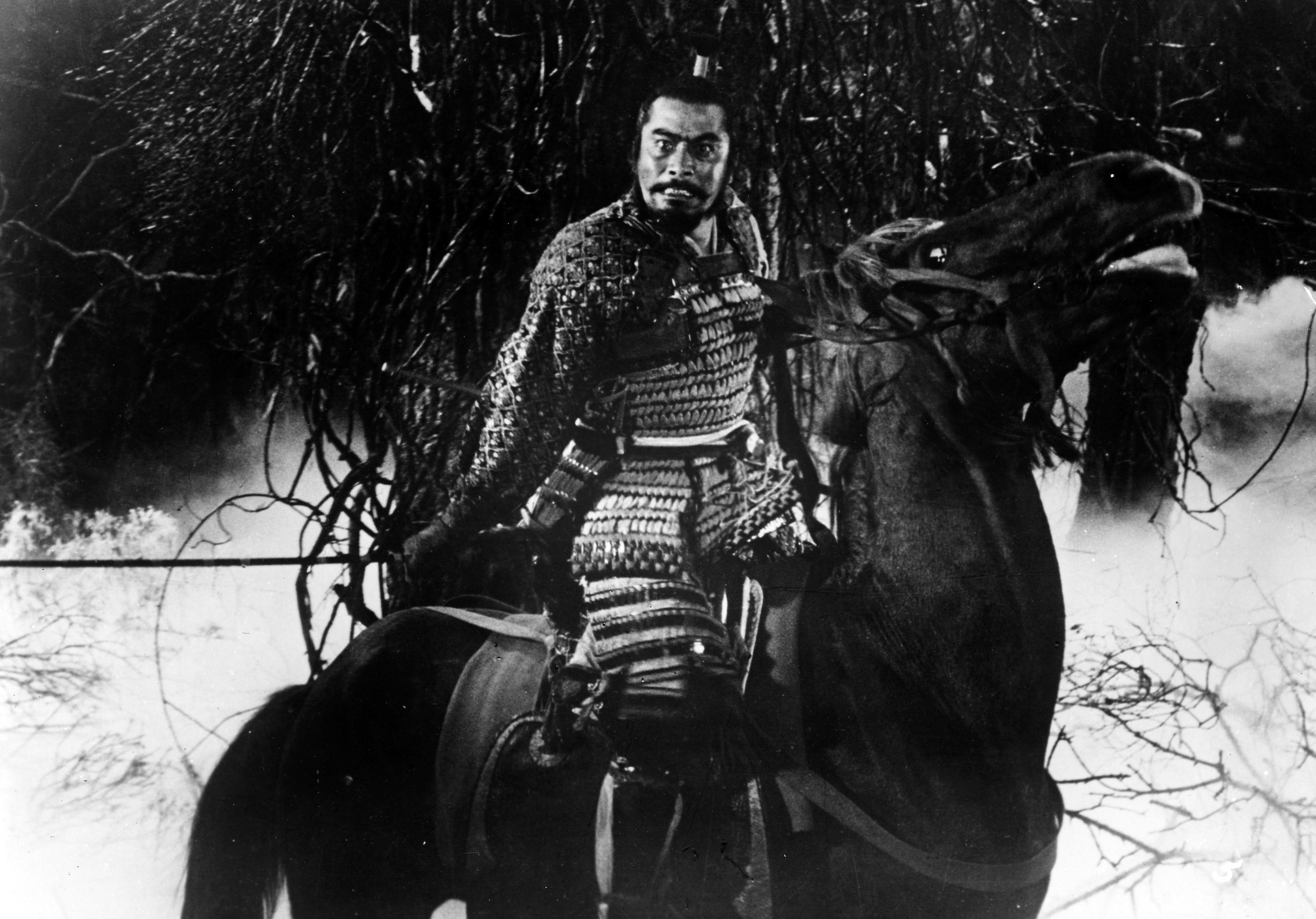
The great Toshiro Mifune is Washiku, a samurai general who serves under the Great Lord in the Spider Web’s Castle. While on patrol, Washiku and his comrade Miki are visited by a ghost, who prophesizes that both will rise in the ranks and eventually, Miki’s son will be Lord.

Washiku is happy by the prophecy, but his wife Asaji (Isuzu Yamada) begins planting seeds of doubt. What if Miki reveals the prophecy to the Lord, who perceives Washiku as a threat? I always pictured Lady Macbeth as a physically domineering figure, but Yamada is so effective because she is so still and demure, her head bowed as she plants seed after seed of mistrust in her husband’s mind. When the Lord does give Miki and Washiku the honors laid out in the ghost’s prophecy, Asaji is even more convinced that a massive plot against her husband is in the works. “One must kill so that one is not to be killed,” Asaji advises, the slogan of preemptive strikes down through the ages.

Washiku takes her advice, of course, and what follows is a bloody fight for power. What’s striking about “Throne of Blood” is the mix of styles — there are battle scenes familiar to Kurosawa fans, of great armies assembling for battle, of horses charging and arrows flying. But the interior scenes are filmed as if on a Japanese Noh stage, on bare floorboards with little props, the camera often at a distance, shooting straight-on, as if in the audience.

The result is a film that’s more chilly and distancing than “Seven Samurai” or “Ran”; we don’t identify with these characters, and are probably not meant to. Ultimately, “Throne of Blood” is about the folly of man, a point driven home in the beautifully grim final shot. All the graspings and jealousies of man, which mean so much to him in his lifetime, get wiped away by time.

The new Blu-ray edition includes all the special features from the original DVD, including a documentary on the making of “Throne of Blood,” as well as a commentary track by Michael Jeck. Perhaps most interestingly, viewers can choose between two different English subtitle translations, and translators Donald Richie and Linda Hoaglund both provide fascinating essays on how their approached their respective translations.
Blu-ray review: “Grey Gardens: The Criterion Collection”

Grey-Gardens-

Were Big and Little Edie Beale, the subject of the cult favorite 1976 documentary “Grey Gardens,” the first “celebreality” stars? All the elements seem to be in place for a series on E! — a pair of bonafide eccentrics unabashed about revealing themselves for the camera, who have an adjunct connection to a star (in this case, the cousins of Jackie Onassis).

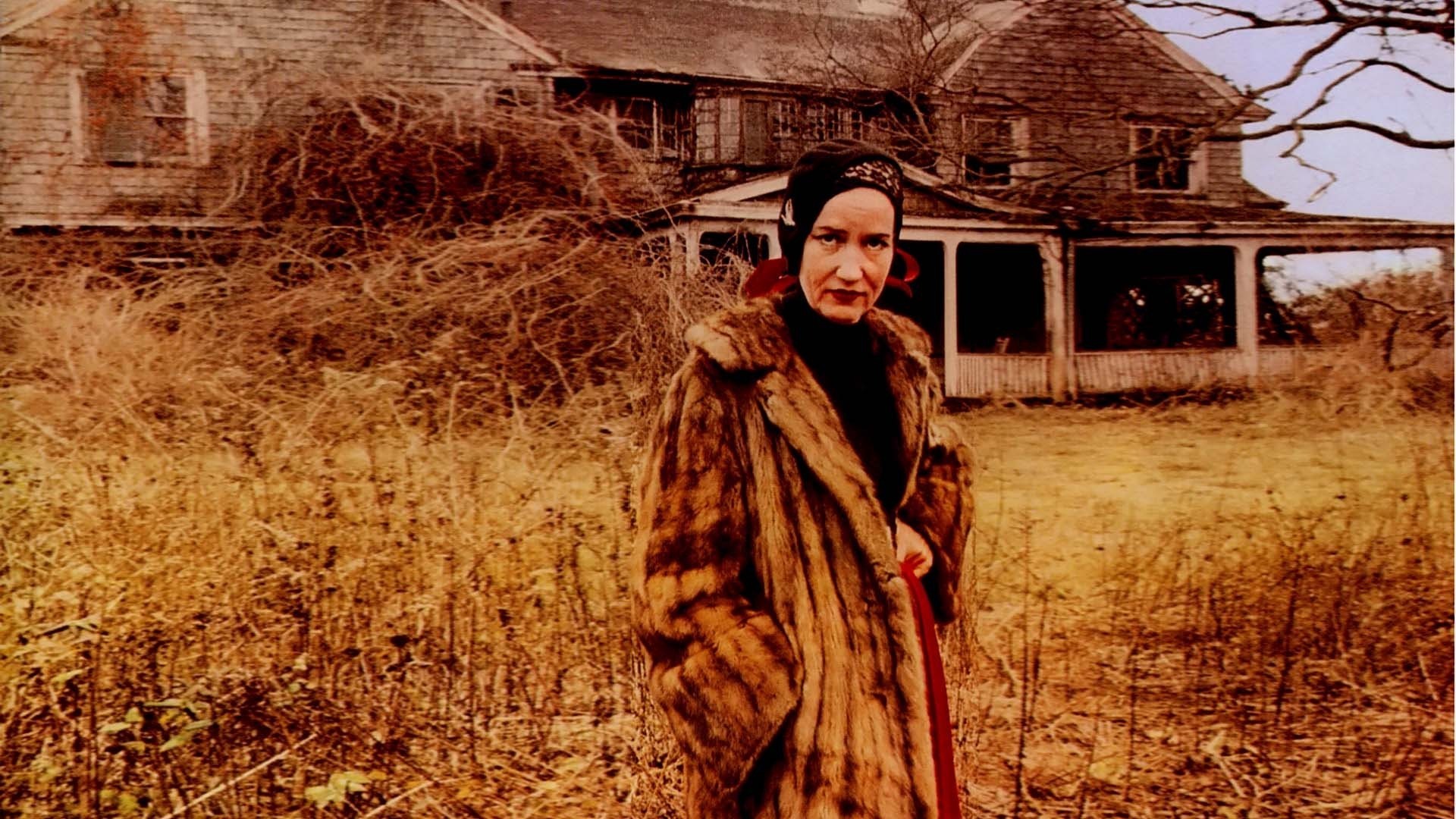
But dig into the new Blu-ray Criterion Collection edition of Albert and David Maysles’ film and you’ll find it goes far beyond “Keeping Up with the Kardashians.” Ninety minutes with the Beales in their decaying East Hampton mansion is an experience that’s hilarious, awful, touching and a little scary. If the camera exploits their plight, the Beales are fully aware of it and participants in the exploitation.

The movie opens with a flurry of headlines — the decrepit Grey Gardens mansion is about to be condemned and the Beales evicted, so family members (including Jackie O) fix the house back up. The Beales move in, but start allowing the place to slowly fall apart again (one way to tell the passage of time in “Grey Gardens” is watching how a raccoon slowly destroys one wall).

The Beales are much less interested in home upkeep and much more about talking, mother and daughter circling around and around the events of the distant past, quarrelling and laughing and singing and crying. The mother, Big Edie, sits in her single bed, the sheets covered by old photo albums, papers and other detritus of the past. Daughter Little Edie stalks around in a variety of bizarre homemade “costumes,” a scarf ever-present on her head, carrying on a rambling monologue in the plummy tones of high society. Cate Blanchett’s performance in “Blue Jasmine” must owe a little to Little Edie, that sound of privilege adrift.

“Everything good — that’s what you didn’t do,” Big Edie says acidly and memorably in response to one of Little Edie’s tirades about how her mother held her back and didn’t let her fall in love, pursue her dancing career, or otherwise live the life she wanted. A big part of “Grey Gardens” is about regret, how it can consume us and how we can vanquish it. The Beales may be pariahs in polite society, but they’ve certainly created their own iconoclastic existence within the walls of Grey Gardens, almost a dark mirror of the other mansions in the Hamptons, where family secrets are kept well hidden.

It’s no wonder the film was such a cult hit — every time you go back to it, you pick up more dialogue, understand better the whirlwind of emotions and memories in that house. It’s clear, from the film and from the interviews with Albert Maysles included on the DVD, that the filmmakers loved these women, and the four of them develop a strange chemistry that’s rare for documentary film.

Criterion first released “Grey Gardens” on DVD in 2001 — this new Blu-ray version includes a new 2K restoration, but also another full-length documentary, “The Beales of Grey Gardens,” made up footage the Maysles didn’t use in the original film. Which is good, because after seeing the original “Grey Gardens,” you’re going to want to spend some more time visiting the ladies.