What’s playing in Madison theaters, Feb. 22 to 28, 2013

My_Neighbor_Totoro_full_34268

With the weather still keeping everyone indoors, it’s another good weekend to take advantage of Madison’s busy movie scene. Here’s what’s playing around town:

“Snitch” (Point, Eastgate, Star Cinema) — Dwayne “The Rock” Johnson seems to be in about 15 movies this year, judging by the Super Bowl ads. But reviews say this might be the best, a surprisingly gritty and thoughtful action picture about a dad who tries to save his teenage son from a hefty prison sentence for drug possession by going undercover for the feds.

Dark Skies”  (Point,, Eastgate, Star Cinema) — Another suburban home, another family under siege by some malevolent force (I’m guessing aliens?) and another movie that apparently wasn’t screened for critics in advance.

A Glimpse Inside the Mind of Charles Swan III” (Sundance) — Bill Murray. Jason Schwartzman. Writer-director Roman Coppola (“CQ” and co-writer of several of Wes Anderson’s movies. What could possibly go wrong? Oh, pretty much everything.

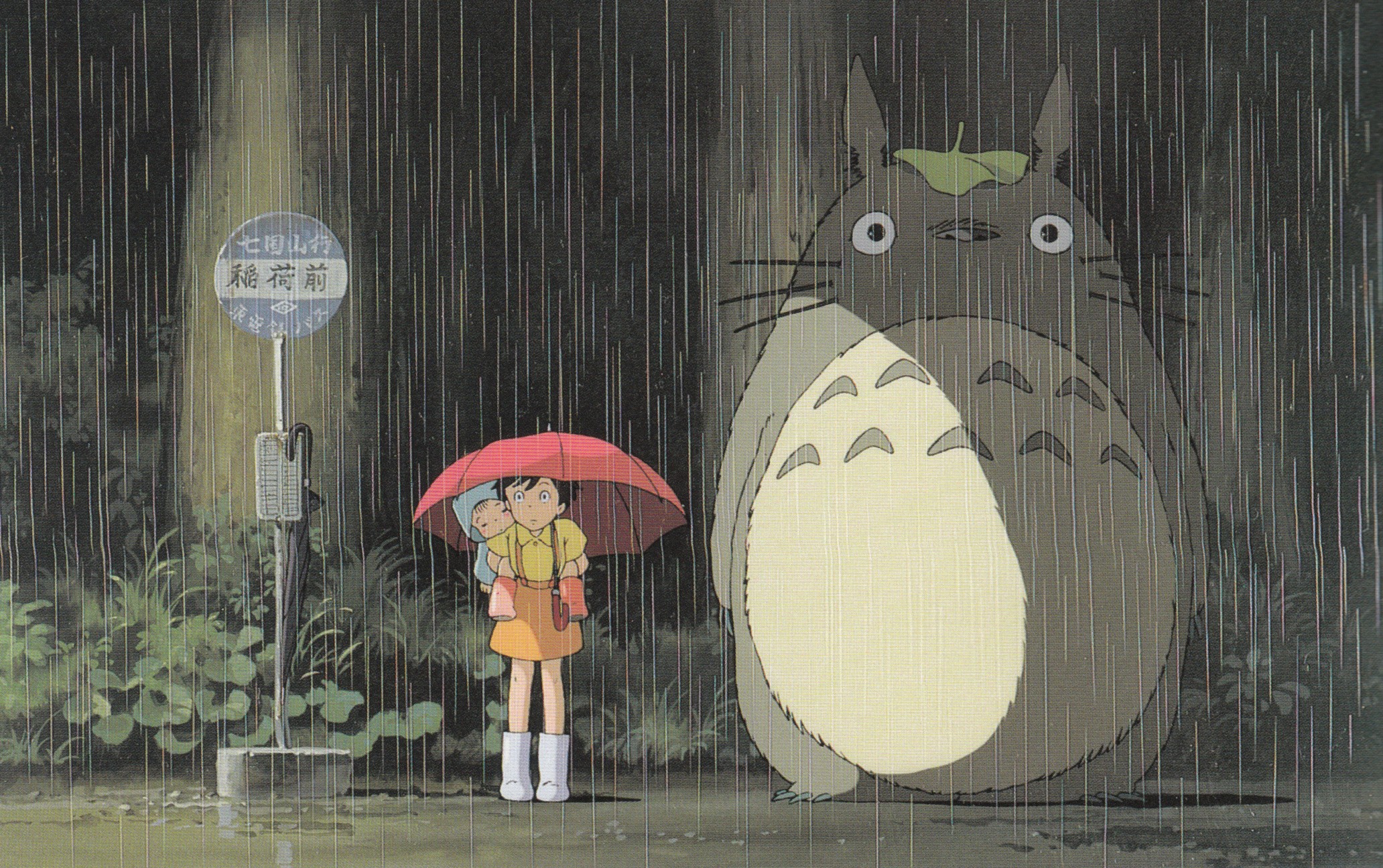
My Neighbor Totoro” (2 p.m. Sunday, Chazen Museum of Art, 800 University Ave.) — The UW-Cinematheque’s free Sunday afternoon series of films from the master Japanese animators at Studio Ghibli has been a howling success, with audiences lining up over an hour early. Get there extra early for this charmer from Hayao Miyazaki — I’ll bet the theater will be full by 1:15 p.m.

The Loneliest Planet” (7 p.m. Friday, UW Cinematheque, 4070 Vilas Hall) The Cinematheque is also hosting the Madison premiere of this lush and unnerving film about a young couple backpacking through the Caucasus mountains, and how one brief incident completely upends their relationship. Here’s my review, and the free screening will be preceded by some trailers for movies coming to the 2013 Wisconsin Film Festival.

The Lady Eve” (7 p.m. Saturday, UW Cinematheque) — The series of Preston Sturges’ classics as a writer-director concludes with this hilarious but surprisingly elegant 1941 film with Barbara Stanwyck and Henry Fonda as a con artist and her patsy on a luxury ocean liner. Free!

Argo” (7 p.m. and 9:30 Friday and Saturday, 3 p.m. Sunday, Union South Marquee Theater, 1208 W. Dayton) Catch the frontrunner for Sunday’s Oscars for free at Union South. I’m still rooting for “Silver Linings Playbook” to pull an upset, but “Argo” is terrific filmmaking that shifts from drama to comedy to white-knuckle suspense. Here’s my review from October. Free!

The Raid: Redemption” (midnight Friday and Saturday, Union South Marquee) — If you like action, stay up late for this nonstop shoot- and punch-em-up from Indonesia, about a team of police officers trapped in a high-rise apartment building full of bad guys. Here’s my review from last April. Free!

Miami Connection” (7 p.m. Monday, Union South Marquee) — Once a month, UW-Cinematheque programs a “Marquee Monday” film that’s not highfalutin’ enough for the regular series. That’s certainly the case with “Miami Connection,” a joyfully inept ’80s action film featuring tae kwon do master Y.K. Kim that delivers inept action, synth rock, and, in the words of C’tek, “the single greatest scene of somebody checking their mailbox in the history of cinema.” Free!

Funny Face” (7 p.m. Tuesday, Union South Marquee) — After a pair of documentaries on Diana Vreeland and Bill Cunningham, this series of fashion-related films co-sponsored by the Textile and Apparel Student Association features the darling 1957 film by Stanley Donen, starring Audrey Hepburn as a shopgirl-turned-supermodel. Free!

Stand Up and Cheer” (7 p.m. Thursday, Chazen Museum) — In conjunction with the Chazen’s new exhibit “1934: A New Deal For Artists,” Cinematheque is presenting a new Thursday night series of films from (or set) in that year. First up is this Depression Era charmer about a government “Secretary of Amusement” trying to cheer up the country with the help of entertainers (including Shirley Temple.) Free!

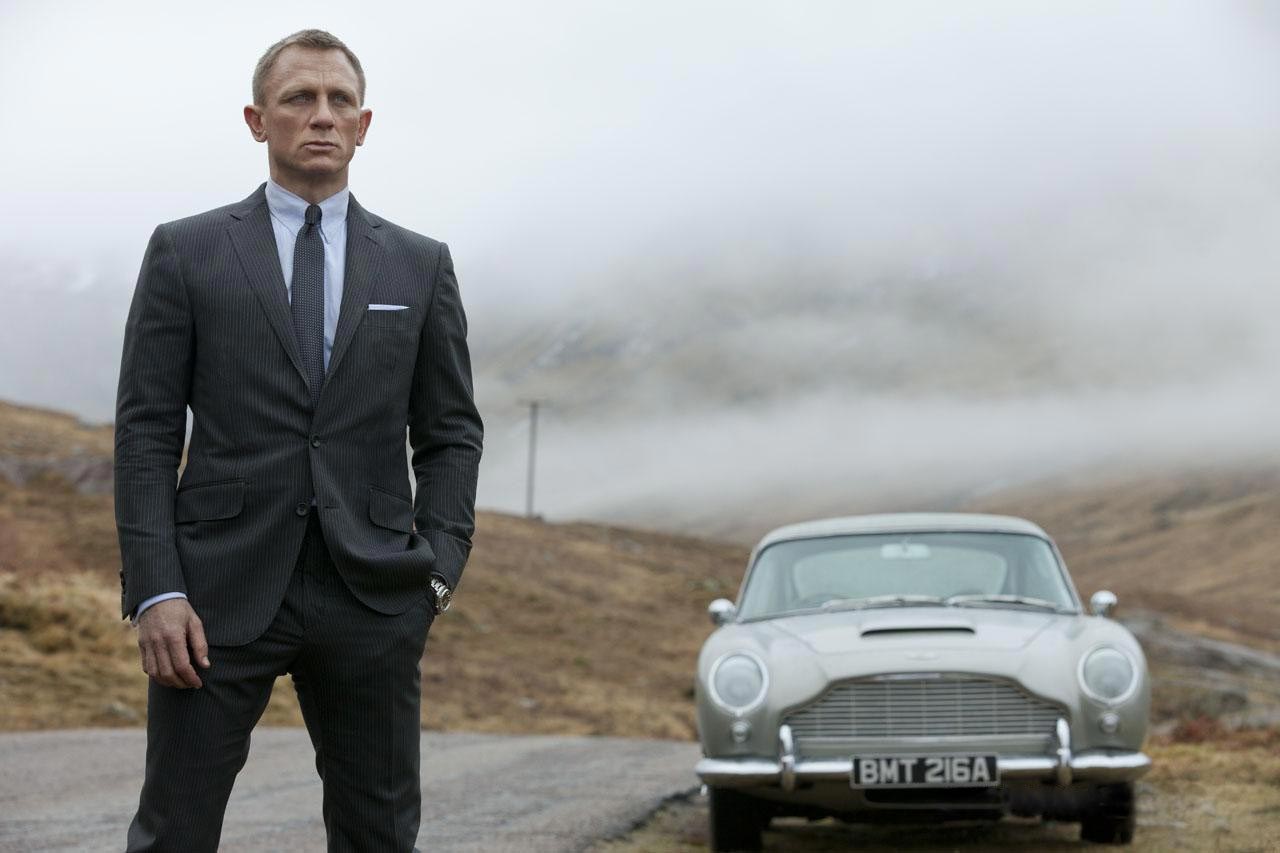
Skyfall” (9:30 p.m. Thursday, Union South Marquee) Catch James Bond’s latest outing (and one of his best), as Daniel Craig’s 007 roots out a threat to M (Judi Dench) in a former MI6 agent (a wonderful Javier Bardem). It’s the perfect blend of classic 007 elements with a deeper psychological and emotional undercurrent than we’ve ever seen before. Free, and it’ll play all next weekend at the Marquee too.
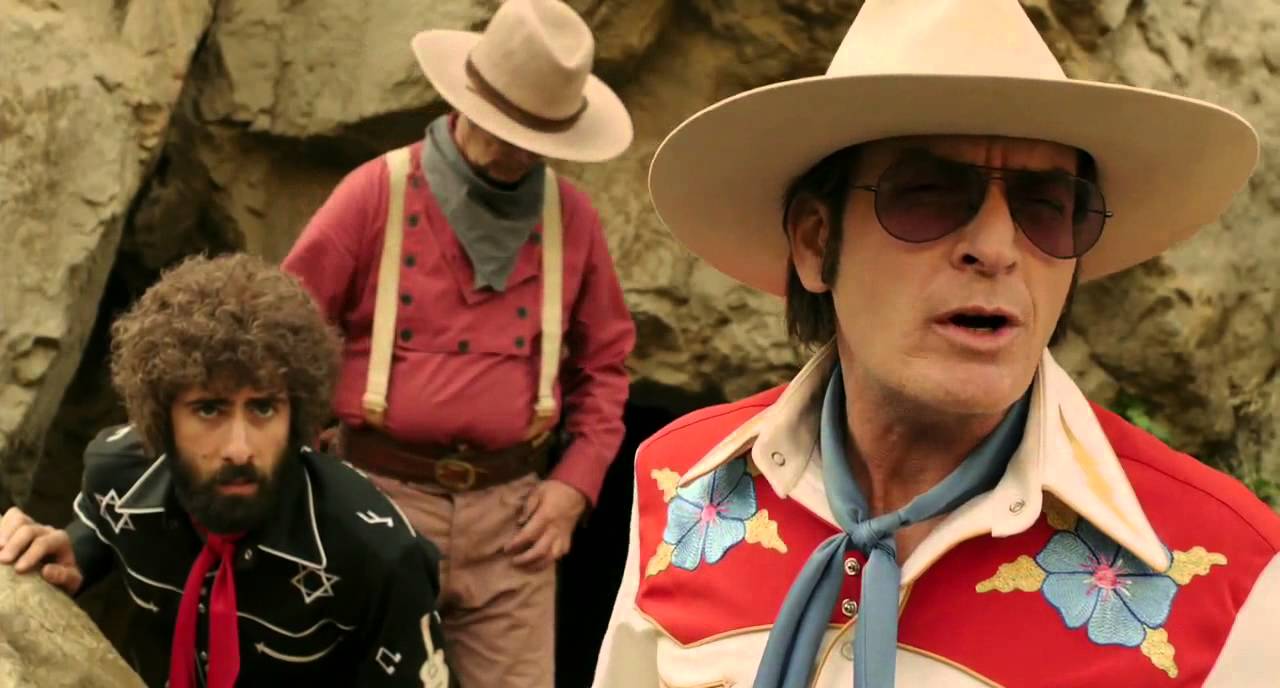
“A Glimpse Inside the Mind of Charles Swan III”: Believe me, a glimpse is plenty

Charlie-swan

“A Glimpse Inside the Mind of Charles Swan III” opens Friday at Sundance Cinemas. R, 1:24.

We don’t get enough fiascoes. Sure there are plenty of bad movies out there, but most aim low and miss the bar. It takes something special, some innate drive, to produce something really misbegotten, to conceive the ill-conceived. When Nathan Rabin of the A.V. Club writes a “Year of Flops” entry and dubs it a fiasco, you can almost sense his half-smile of admiration. Good for you, he seems to say, for being brave enough to fail so spectacularly.

Good for you, “A Glimpse Inside the Mind of Charles Swan III.” You are a unqualified fiasco.

Charles Swan III is a misogynist who thinks he’s an incurable romantic hero, a middle-aged graphic designer in ’70s Los Angeles who loves neither wisely nor well, but often. His latest girlfriend (Katheryn Winnick) kicks him to the curb for cheating on her, and he wanders the movie in a funk. Writer-director Roman Coppola indeed does give us occasional glimpses into the mind of Charles Swan, and it looks like a water-damaged pile of old Playboys. Scantily-clad women run around everywhere, but what’s remarkable (and ugly) is the level of persecution that Swan feels. In one, bikini-clad women in costume-store Indian outfits go on the warpath against him; in another, a command center of busty women call down airstrikes on men who dare to flirt with other women.

The kicker is that Charles Swan is played by Charlie Sheen, himself a misogynist who thinks he’s some kind of hero — or at least he did, publicly, before his management team muzzled him. Writer-director Roman Coppola (who has co-written some of Wes Anderson’s infinitely better films) seems to think his movie can coast on Sheen’s charms. Except he doesn’t have any. He’s gotten kind of creepy in middle age, and can’t sell any of the wounded-puppy notes that the film requires of him. There’s a scene late in the film when we see a marionette version of Charlie Sheen, dancing around a party and using its little wooden arms to peek up women’s skirts. It’s actually a little less creepy than the real thing.

To see how it might have worked, watch Bill Murray in a small, thankless role as Swan’s agent. He’s also a lothario, but Murray brings such a sad-sack weariness to lines like “Desire is as close as I’ll ever come to happiness” that you kind of feel for the guy. We never feel anything for Swan except a mild revulsion, like that feeling the night before you get the flu.

Coppola dresses up his film with all kinds of ’70s Pop Art kitsch — Swan drives a Cadillac that has eggs and bacon airbrushed on the doors, and his office has a couch that looks like a giant Chicago hot dog with the works. Jason Schwartzman’s biggest contribution to the movie is his Marjoe Gortner perm, Patricia Arquette (as Swan’s sister) dresses in every scene like she’s on her way to the Golden Globes on Gil Gerard’s arm. You get the feeling that production design is really where Coppola’s heart is at, rather than character or story. He can imitate the look of a Hal Ashby movie like “Harold & Maude,” but can’t get below the sun-baked surface to anything interesting.

Swan spends the film alienating everyone around him, and then, magically he goes to the office Christmas party and everyone loves him again, without explanation. Then the movie just kind of ends after a mercifully brisk 84 minutes, and the actors start introducing themselves to the camera, which pulls back to reveal the entire cast and crew. This seems like one desperate, last-ditch attempt at audience empathy (“See, real people made this movie! Nice people! Please don’t be mad at us!”) And, like the rest of the movie, it doesn’t work.

Spending an hour with Aron Ralston of “127 Hours”

ImageI wrote a story for the Capital Times this morning about Aron Ralston’s talk at the UW-Madison Wednesday night. It was a packed house, but you could have heard a pin drop at times as Ralston recounted the story (immortalized in “127 Hours”) of his ordeal in Utah, when he was pinned by a boulder for nearly six days before finally freeing himself by cutting his arm off.

I’ve seen the film twice and so am familiar with the story, but it was striking how different it was to hear the man himself tell the tale. He’s probably told it hundreds of times (and the theme of the talk was sort of a motivational pep talk about learning from our own “personal boulders”) but it was still riveting to watch him act out how he cut himself free, or re-enact the farewell message he left to his parents on his camcorder.

There was also some backstory about what his parents were doing while he was missing that was left out of the movie. Ralston said that on the fifth day he was missing, his boss at work called his mother looking for him. Knowing something was wrong, she called all his friends and hacked his email account, eventually figuring out that he was in southern Utah and calling the authorities.

At the exact moment he was breaking his arm so he could cut himself loose, a search party had found the truck. And that family he runs into while staggering through the canyon were on the lookout for him, which is why the helicopter arrived so fast. Ralston said if he had freed himself an hour earlier or an hour later, he would have missed the search party and likely bled to death.

His talk also had some moments of gallows humor that weren’t in the film. When that family found him, the dad offered him a bottled water. Ralston took it in his one remaining hand, and the two men stared at it silently for about ten seconds — before the dad finally realized his error and hastily removed the cap for him.

It was a very inspiring speech. Interestingly, Ralston goes back to that spot every year to visit the boulder (this April will be the 10th anniversary of his ordeal), to be reminded of “the intensity of the darkness, and the joy of stepping into the light.”

“The Loneliest Planet”: The backpacker’s guide to rocky emotional terrain

the-loneliest-planet-gael-garcia-bernal

If you get up to go to the bathroom at the wrong moment during “The Loneliest Planet,” you’ll miss everything.

The UW-Cinematheque is hosting the Madison premiere of the film at 7 p.m. Friday at 4070 Vilas Hall, 821 University Ave. The screening is free, but seating is limited and first-come, first-serve.

Much of Julia Loktev’s gorgeous and unsettling film is like a travelogue, with long scenes of the three characters trudging through the vibrant green hills of the Caucacus Mountains in the country of Georgia. It’s a vacation for an adventurous engaged couple, Alex (Gael Garcia Bernal) and Nica (Hani Furstenberg), and I’m guessing the title is a play on those “Lonely Planet” guidebooks. There isn’t much to do out in these remote hills except hike, but they pass the time playing teasing word games (he’s teaching her his native Spanish, verb by verb) and all the other things young couples do when they’re in love, and the enormity of the world seems to reside in the other person.

“Planet” requires a bit of patience from the viewer at first; there are a lot of hiking shots, and while undeniably beautiful (this is a movie that demands a theatrical viewing) it can get a little repetitive to see similar shots of the same figures, tiny as ants, moving across an emerald backdrop. (Loktev only uses music during those extreme long shots, quickly cutting it off when the camera narrows in on the couple).

There’s a third figure with the couple, a local guide named Dato (Bidzina Gujabidze). He’s a somewhat mysterious figure, trying to make jokes in English while the couple nods politely. There’s a few moments of uncertainty — at one point, Dato freezes in his tracks as if he hears something, but doesn’t say what. We sense something is going to happen to these three, but what?

And then, midway through the film, it finally does. It only lasts a few seconds, but has a profound impact, and we realize we needed all that time spent earlier with the happy couple to see just how profound. The rest of the film is, again, a lot of walking and some talking (although, tellingly, never about the incident). But everything’s changed. Alex and Nica are more distant, uncertain how to relate to each other. One of the fascinating aspects of “The Loneliest Planet” is how slight adjustments can completely alter the effect of what is basically the same shot, much as how a small moment can send love that seemed secure tumbling into doubt.

“The Loneliest Planet” is a film about connection, or the attempt at connection; everybody’s trying to learn each other’s language, both verbal and emotional, but there are limits to what you can understand about another person. It’s telling that, in some early scenes, the characters are visually obscured from us — in one local tevern, Alex and Nica sit in semi-darkness, illuminated occasionally by a rotating blue light from the dance floor. Out in the mountains, there’s nowhere to hide from the camera, and the couple learns that perhaps it’s best not to know exactly what’s in the other person’s heart, or their own.

Talking Wisconsin Film Festival on the Madison Arts Extract podcast

phaseiv

I had a good time talking to the guys at the Madison Arts Extract podcast this week about the movies that have been announced so far for the Wisconsin Film Festival.  Via social media (especially its Facebook account), the festival has named about two dozen of the over 100 titles that have been announced for this year’s fest, which runs Thursday, April 11 through Thursday, April 18.

We talked about a few I’ve already mentioned on the blog, including “Citizen Koch” and “56 Up,” and a few I hadn’t, including “Dear Mr. Watterson,” a documentary about the creator of “Calvin & Hobbes” that has my vote for most “huggable” film of the festival, and “Phase IV,” an arty sci-fi movie about human-ant relations that is the sole film directed by Saul Bass, the creator of legendary opening-credits sequences for films like “Vertigo.”

You can listen to the podcast here (the podcast player is at the bottom of the page).

DVD review: “The Thief of Bagdad”

thiefofbagdad

I don’t know what the newest film will be to play at this year’s Wisconsin Film Festival, but I’ll bet I know the oldest.  The festival will show a digitally-restored print of the 1924 swashbuckling classic “The Thief of Bagdad,” starring screen legend Douglas Fairbanks.

It’ll likely be one of the most memorable screenings at the festival (April 11-18), akin to the Milwaukee Film Festival screening the restored “Metropolis” a couple of years back. But until then, the 2K restored version is out on Blu-ray this week from Cohen Media and is, in no uncertain terms, a stunner.

The restoration process, based off two original 35mm prints, took two months, and the result is a positively vivid picture. The sharp detail and depth of focus makes it look like one of those careful silent film recreations in “The Artist,” not a film that’s genuinely 89 years old. This may sound strange, but watching it, I could almost feel the wonder of early cinema, imagine how amazing it would have been for a 1924 audience to see lifelike characters moving around on a flat screen.

And the characters do a lot of moving around, especially Fairbanks; in the behind-the-scenes featurette accompanying the disc, historian Jeffrey Vance explains that there are relatively few on-set photos of Fairbanks simply because he was always in motion, moving too fast and too much for the still camera to capture him. His barrel-chested, broad-grinning dynamism shines through in “Thief,” considered his masterpiece, as he plays a lowly street thief who gets embroiled in a scheme involving a beautiful princess and an evil suitor. Fairbanks is lithe and graceful throughout — watch him shinny up a rope to a balcony to steal some food, or hang on the underside of a carriage, insouciantly grinning as he plucks the rings off the fingers of the unwise royal passenger snoozing within.

Using gigantic, expressionistic sets to invoke the palaces and minarets of a Bagdad that only exists in the imagination, along with state-of-the-1920s-art visual effects for the flying carpets, invisibility cloaks and other flights of fancy, this may be one of the first Hollywood films to justify the overused term “epic.” (Raoul Walsh is credited with directing, although it’s widely perceived that Fairbanks was the actual man in control.) Instead of stark black-and-white, the images recreate the original tints of the theatrical release, which means that the outdoor scenes have the yellow of old parchment, the night scenes a steely blue, the indoor scenes a lustrous pink.

Add in an absolutely fantastic full-orchestra score by composer Carl Davis that quotes liberally from the works of Rimsky-Korsakov, and you’ve got a true classic of early cinema brought back to its original glory.

Could “Silver Linings Playbook” pull the mother of all Oscar upsets?

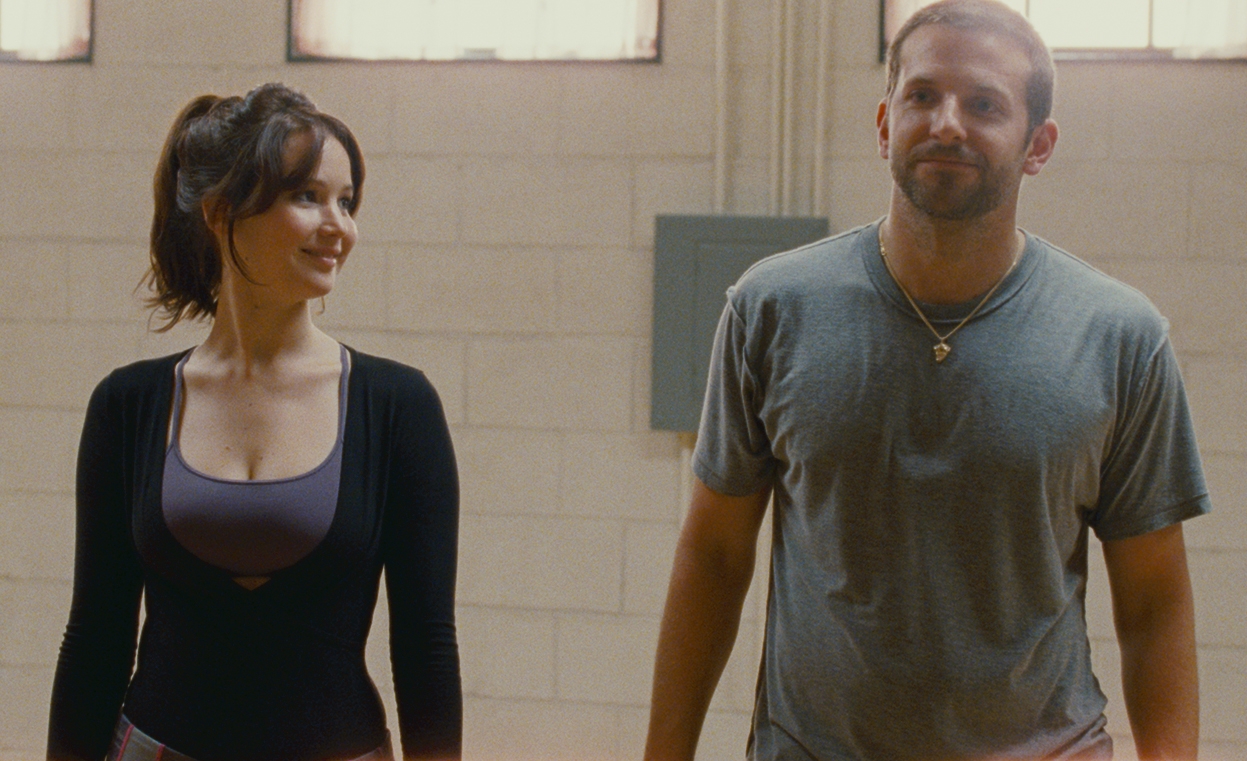
JENNIFER LAWRENCE and BRADLEY COOPER star in SILVER LININGS PLAYBOOK

I want to preface this by saying that I don’t know what I’m talking about.

There are movie blogs out there that have been tracking awards season since late last summer, talking to insiders, tallying up all the myriad critics’ awards and third-string nominations, updating the odds daily on who will win on Oscar night. They are the Nate Silvers of Oscar blogging, or at least they try to be.

This ain’t that place. I love the Oscars, and look forward to my friend Lyn’s Oscar party every year. I’ll be live-tweeting my tail off this Sunday at @robt77 if you’d care to join us. I do pretty well in her Oscar pool, but I’ve never won, and I don’t pretend to be some kind of wunderkind at this sort of thing.

And yet. This Oscar season has been so chaotic, with the perceived frontrunner changing several times in the run-up to Feb. 24, that I have to wonder if Oscar doesn’t have one more big surprise up that place where his sleeve would be if he wasn’t naked.

Just to recap, last fall everybody thought “Lincoln” was going to walk away with it. And while Daniel Day-Lewis surely has it in the bag for Best Actor, that heat cooled a little in December, as the conventional wisdom shifted. Now “Zero Dark Thirty” was going to come out and blow everyone away, seize control of the race.

Then some quibbles about accuracy (unfair ones in my book) came along and hobbled the “Zero” momentum a little. Director Kathryn Bigelow was shut out of a nomination for Best Director when the Oscars were announced Jan. 12, and the “Zero” moment seemed to have past.

Then the Golden Globes came around and awarded “Argo” with Best Drama and Ben Affleck (also overlooked by the Oscars) as Best Director. The Golden Globes are usually a terrible predictor of the Oscars, but all of a sudden “Argo” started picking up awards, from the all-important writing, directing and editing guilds. Whose members, of course, also vote for the Oscars. Seemed like “Argo” had finally achieved frontrunner status and was here to stay.

So, on your Oscar ballot, “Argo” is definitely the safe choice. No question. If anybody would seem likely to pull an upset, it would be “Lincoln” surging back.

Except.

Except that this year has been so chaotic (as opposed to other years when a frontrunner is anointed and never looks back) that I have to think “Argo” isn’t as secure as it looks. And the movie that looks in the best position to pull a last-minute upset is David O. Russell’s “Silver Linings Playbook.” Here’s my reasoning:

1. “Silver Linings” is much stronger than it looks. It has eight nominations, third behind “Life of Pi’ (11) and “Lincoln” (12). More importantly, it has all nominations for all four acting categories, the first time that’s happened since “Reds” in 1981. It’s also the first movie since 2004’s “Million Dollar Baby” to have nominations in what’s known as the “Big Five” — Picture, Director, Screenplay, and Actor and Actress. I think Jennifer Lawrence is a lock for Best Actress, and Robert DeNiro is the frontrunner for Best Supporting Actor.

2. “Silver Linings” is peaking at just the right time. Last fall, I groused for weeks about how “Silver Linings” had opened in 440 theaters on Thanksgiving, but didn’t make it until Madison until Christmas Day. But the slow rollout seems to have worked. That’s the film that everybody I know has seen, that everybody comes into the office Monday morning talking about, week after week.

3. “Silver Linings” is connecting with people. There’s something about “Silver Linings” that just works for an audience, be they mainstream or arthouse, in a way that sticks out in a relatively grim year of “Argo,” “Lincoln,” “Zero” and “Django Unchained.” It’s the mix of comedy, romance and drama, almost the perfect amounts of each, really, and the way the film plays with romantic comedy genre conventions, subverts them in places, but ultimately takes the audience exactly where it wants the movie to go, with a double-backflip happy ending that kind of teases us for wanting happy endings before it gives us one. I think there’s also something powerful about the way the film handles mental illness that really resonates with people. Almost everybody I talk to, it seems, has a brother like Bradley Cooper’s character, or a friend, or a neighbor’s kid. There’s somebody we know who needs some help. There’s something so ultimately hopeful about the message of “Silver Linings,” that if people do the work (and take their meds) and have a strong support system, they can get better. They can be okay. That’s strong stuff.

4. “Silver Linings” was made by the Weinstein Company, and the Weinstein Company knows how to do Oscar campaigns. Sorry to veer abruptly from the most emotional reason to the most cynical, but there it is. The Oscar race is a campaign, and Harvey Weinstein has proven exceptionally good at waging that campaign. I’m seeing ads everywhere for “Silver Linings,” using extended quotes that aren’t from critics, but from writers and commentators and others, often striking those same points that I mentioned in No. 3.  And that’s only what I see, and I’m not even a member of the academy.

The smart money is still on “Argo” or “Lincoln,” both movies I love and would be delighted to see win. But at the end of a crazy awards season, a “Silver Linings” upset would be a triple-backflip of a happy ending, wouldn’t it?

What’s playing in Madison theaters: Feb. 15-21, 2013

A-GOOD-DAY-TO-DIE-HARD-Official-Trailer-2-2013-H-1684

It’s the semi-triumphant return of the “What’s Playing” column! Each Friday, I survey the Madison movie landscape and let you know what’s on around town, from the big multiplexes to the smaller campus theaters.

A Good Day to Die Hard” (Point, Eastgate, Star Cinema, Sundance, Cinema Cafe) — Oh, I so wanted this to be good, but judging by the reviews (13 percent Fresh on Rotten Tomatoes), this is neither “good,” nor “Die Hard,” and feels like it takes about a day to watch. Discuss.

Safe Haven” (Point, Eastgate, Star Cinema, Sundance, Cinema Cafe) — Yet another romantic drama from novelist Nicholas Sparks, directed by Lasse Hallstrom (“My Life as a Dog”), which makes me a little sad. So Julianne Hough is a thing now, right? Have to get used to that.

Beautiful Creatures” (Point, Eastgate, Star Cinema) — A Southern-fried “Twilight” (pronounced “Twa-laahtt”?) with witches and warlocks and Emma Thompson as the villain, which is intriguing.

Escape From Planet Earth” (Point, Eastgate, Star Cinema) — It’s never a good sign when animated films aren’t screened for critics ahead of time.

The Other Son” (Sundance) — An Israeli teen and a Palestinian teen discover they were switched at birth in this humane drama that isn’t at all like “Celebrity Wife Swap.” My full review is here. Sundance is also keeping the Oscar-nominated live action and animated shorts around for at least another week.

Le Port Du Nord” (UW Cinematheque, 4070 Vilas Hall, 7 p.m. Friday, FREE) — A mystery without a solution, a riddle without an answer, this little-seen 1981 gem from French director Jacques Rivette follows two women on a mysterious quest around Paris, collecting cryptic clues and dodging traps. It was never released in the United States.

Hail the Conquering Hero” (UW Cinematheque, 7 p.m. Saturday, FREE) — An ordinary discharged soldier is mistaken for a war hero in Preston Sturges’ riotous comedy about blind patriotism and celebrity, part of a series of classic Sturges films this semester.

Only Yesterday” (Chazen Museum of Art, 2 p.m. Sunday, FREE) — The Cinematheque’s amazing series of Studio Ghibli films at the Chazen continues with “Only Yesterday,” a surprisingly nuanced and humane look at the life of an ordinary office worker against the backdrop of a changing Japan.

Beasts of the Southern Wild” (Union South Marquee Theater, 7 p.m. Friday and 9 p.m. Saturday, FREE) — The undisputed underdog of the Best Picture race is this gritty and lyrical fable about the denizens of a forgotten Louisiana community called the Bathtub, and one plucky little girl’s quest to find her mother.

Life of Pi” (Union South Marquee Theater, 9:30 p.m. Friday and 3 p.m. Sunday, FREE) — At first I thought Ang Lee’s adaptation of Yann Martel’s novel might be a little too squishy for my tastes, but it is a beautiful and understated fable as well as a riveting survival story. It may make you rethink that sailing trip you were planning with your favorite tiger, though.

Dredd” (Union South Marquee Theater, midnight Friday, FREE) — Karl Urban plays the comic-book judge, jury and executioner in a dystopian action film that doesn’t look any better than that Stallone version from the 1990s (although at least this one doesn’t have Rob Schneider).

Sleep Tight” (Union South Marquee Theater, 7 p.m. Saturday, FREE) — And you think you have landlord issues. In this Spanish chiller, the doorman at an apartment building develops an unhealthy fixation on one of the tenants.

Bad Lieutenant: Port of Call New Orleans” (Union South Marquee Theater, midnight Saturday, FREE) — The combustible combination of director Werner Herzog and actor Nicolas Cage leads to one of the strangest police procedurals in memory, marching to the beat of its own jittery, crack-addled drummer. My full review from 2010 is here.

Bill Cunningham New York” (Union South Marquee Theater, 7 p.m. Tuesday, FREE) — A series of fashion-related films co-sponsored by the Textile and Apparel Student Association continues with this lovely documentary about the New York Times “On the Street” photographer, who prowls the streets by bicycle looking for beauty. My full review is here.

Soul Food Junkies” (Union South Marquee Theater, 7 p.m. Thursday, FREE) — This documentary looks at the health benefits and costs of soul food, a quintessential American cuisine.

“The Other Son”: An Israeli and a Palestinian, switched at birth

the-other-son-the-boys-meet-each-other

“The Other Son” opens today at Sundance Cinemas; PG-13, 1:45, 3 stars (out of 4).

Joseph is a Dylan-loving Jewish teenager living in Tel Aviv. Yacine is a Palestinian medical student living on the other side of the wall. Under normal circumstances, they would never meet.

Except that they did cross paths once, as newborn babies born in the same hospital during the tumult of the first Gulf War. And, in the midst of that turmoil, they were switched at birth.

The premise for Lorraine Levy’s “The Other Son” sounds like something out of a soap opera, or an unusually political-minded episode of “Celebrity Wife Swap.” But the film, which opens at Sundance Cinemas today as part of the Screening Room calendar, goes to great lengths to make us believe its premise, and then use it to make a humane and surprisingly hopeful film about Israeli-Palestinian relations.

When Joseph (Jules Sitruk) applies for his mandatory military service, his physical shows that his blood type doesn’t match his parents. His mother, a French doctor (Emmanuelle Devos), discovers that her son isn’t really hers. She’s raising the son of a Palestinian couple on the West Bank, while they have her son, Yacine (Mehdi Dehbi).

Of course, it’s not so easy to simply switch them back 18 years later. Both Joseph and Yacine are devoted to their families, and perhaps more keenly devoted to their cultures. As the news sinks in, Joseph says, “I don’t feel Jewish, but I don’t feel Arab either. I don’t feel anything.” He goes to his rabbi, who, tears in his eyes, says that Joseph must now convert to Judaism, the religion he has lived since birth.

The Palestinian parents, especially the father, are more angered at the news; harboring resentment against the Israeli government, he sees it as one more attempt by the Israelis to take away what’s his. It’s at this point “The Other Son” faces a choice — it could have been a bleak message movie about the intractability of tribal identity and ethnic strife, or it could have been a film about our ability to transcend those identities.

Levy chooses the latter path, which is moving without always being convincing. The view of the Israeli-Palestinian divide seems milder than we’ve seen in other movies, the checkpoints more of a mild nuisance than a true insult. Or maybe it’s that we’re so used to seeing the conflict heightened in other films that the sight of everyday, uneventful life in the occupation is so striking.

And I think there is some truth to the idea that politics can fall by the wayside once your family is involved. Look at the conservative politicians who embraced gay marriage once they learned a son or daughter was gay, or went to bat for stem-cell research after they learned an ailing granddaugher could benefit. Levy is smart to make this transformation hesitant and awkward, with the two sons quicker to bond than their parents.

“Isaac and Ishmael,” Yacine says as the two boys look at themselves in the mirror. Go back far enough, past centuries of strife, and they are part of the same family after all.

DVD review: “Skyfall”

daniel-craig-skyfall3

The James Bond franchise decided to celebrate the 50th anniversary of 007 on film by making a lot of those other Bond movies look bad.

I say that with a lot of affection and respect, as a kid who taped “Thunderball” and “The Spy Who Loved Me” and all the rest off the “ABC Friday Night Movie” and watched them over and over and OVER again. There are some great Bond movies and some not-so-great ones, but none are less than entertaining. But “Skyfall” is a great James Bond movie, and it’s a great movie to boot. (Here’s my original review from last November.)

The key, oddly enough, wsa the financial troubles going on at MGM Studios, which delayed the production of “Skyfall” by some two years (Bond movies tend to come out every two years, the last being 2008’s “Quantum of Solace,” which had the opposite problem — it was rushed into production because of the writers’ strike.) But that extra time was used well, as the producers were able to attract Oscar winner Sam Mendes (“American Beauty,” “Road to Perdition”) and screenwriter John Logan (“Gladiator”). Their presence meant the movie was able to attract a cast much stronger than the usual Bond movie, including Javier Bardem, Ralph Fiennes and Albert Finney, and a much stronger filmmaking crew, including the legendary Roger Deakins as cinematographer.

The result is a film that has all the hallmarks of great Bond — gangbusters opening action sequence, exotic locations, and one of the best villains in decades — but with a lot more. The film is more daring visually — that one fight in the Shanghai high-rise, shot in one take in silhouette, neon jellyfish undulating behind the fighters, is something else — but more more daring narratively. Left for dead by M and MI6 (the closest thing to a mother and his family), Bond spends the first half of the movie hesitant, vulnerable, emotionally brittle. Watch it again on DVD, and you see how marvelously subtle Daniel Craig’s performance is — he plays Bond trying to project the invulnerable 007 to everyone around him, yet clues the audience in on how much damage he’s really trying to recover from.

“Skyfall” came out on DVD and Blu-ray this week, and the Blu-ray is the one to pick up, not just for the superior visual quality, but because it has a lot more extras. There are over two hours of “Shooting Bond” featurettes detailing everything from the characters to the locations to the opening and closing sequences. And there are two commentary tracks, one by the producers and one by Mendes.

I really like the chatty and informative Mendes track, which has some of the usual isn’t-this-best-boy-great glad-handing but is pretty insightful in digging into the inspiration behind certain scenes, isolating moments in the performances that might otherwise fly by. On the first day of shooting for Bardem, at Charing Cross Station, Mendes recalls standing with Craig watching Bardem’s performance, specifically how he adds a delighted giggle at one moment that wasn’t in the script. “This is going to be fun,” Craig murmured. He was right.