Instant Gratification: “Samsara” and four other good movies to watch on Netflix Instant

Samsara

Pick of the week: “Samsara: My full review is here. This arresting documentary is essentially a wordless flow of arresting images gathered from around the world, from sand dunes shifting in the wind to cityscapes full of bustling lights. The effect is a hypnotic and unsettling journey into life as it is lived around the world, from the most beautiful natural spots to the poorest urban backwaters.

Action movie of the week: “The Rundown: Dwayne “The Rock” Johnson’s first real outing as an action hero was this surprisingly fun and canny 2003 film, playing a bounty hunter rescuing a rich boy (Seann William Scott) from the Amazon jungle. Features Christopher Walken in Full Walken Mode.

Comedy of the week: “Greenberg“: My full review is here. Generation X is not aging well in Noah Baumbach’s dry and sharp comedy about a middle-aged misanthrope (Ben Stiller) who complicates life for an aimless Angeleno (Greta Gerwig). Gerwig and Baumbach would go on to collaborate in the much more sunny “Frances Ha.”

Drama of the week: “Agora“: My full review is here. Rachel Weisz plays a 5th-century Greek mathematician who finds science under attack from a growing religious sect in this parable about fundamentalism. It’s better in its broad strokes than its characters, who are often mouthpieces for the viewpoints they represent.

Thriller of the week: “Albino Alligator“: Kevin Spacey’s directorial debut was a 1996 crime drama about three criminals who take the denizens of a dive bar hostage after their heist goes wrong. The story’s roots in the theater are obvious, but Spacey fills the film with tension and good actors, including Faye Dunaway, Joe Mantegna and Matt Dillon.

I’m doing a post-show discussion after “The Act of Killing” on Aug. 27. Yeah, that should be fun.

actofkilling

I’m grateful to Sundance Cinemas for letting me host special post-show discussions after some of their Screening Room titles. It’s a chance for me and interested audiences to decamp to the Overflow Bar after the show to talk about what we just saw, whether it was the elliptical storytelling of “Upstream Color” or the social issues of “Any Day Now.”

Or, as in the case of the next Screening Room talk, genocide and the banality of evil. Yeah, that should be a laugh riot. We ought to order a pitcher.

(Caveat: I hadn’t actually seen the documentary “The Act of Killing” when I chose it as one of the movies I wanted to do a discussion about, having heard it was a thought-provoking film. That was correct.)

It also is one tough sit, a film that transfixes the viewer and haunts for days after. The documentary looks at men who were involved in the killing of hundreds of innocent Indonesians during the 1965 coup in that country, and who have walked around unpunished. The film lets them re-enact some of their crimes, which they do with the enthusiasm of kids imitating their favorite movie heroes (which is essentially what they were).

So, to forewarn you, it is not an easy movie to watch, but unquestionably one worth seeing, and one that should provoke a great discussion afterwards. I definitely urge you to come out and join me. “The Act of Killing” opens Friday, and my talk will take place after the early evening show next Tuesday, Aug. 27. I’ll post more details on the blog when I get them.

The next one after that will be much lighter, Sarah Polley’s wonderful documentary about her family history, “Stories We Tell,” on Tuesday, Sept. 10.

What’s playing in Madison theaters, Aug. 16 to 22, 2013

butler

All week

“Lee Daniels’ The Butler” (Point, Eastgate, Star Cinema, Sundance) — Daniels’ last film was “The Paperboy,” the worst film of 2012 by a country mile, and seeing him do a name-above-the-title drama about a Presidential butler (Forest Whitaker) working for seven presidential exercises in stunt casting (John Cusack as Nixon?) looked like he was going for a two-fer. But this is getting good reviews!

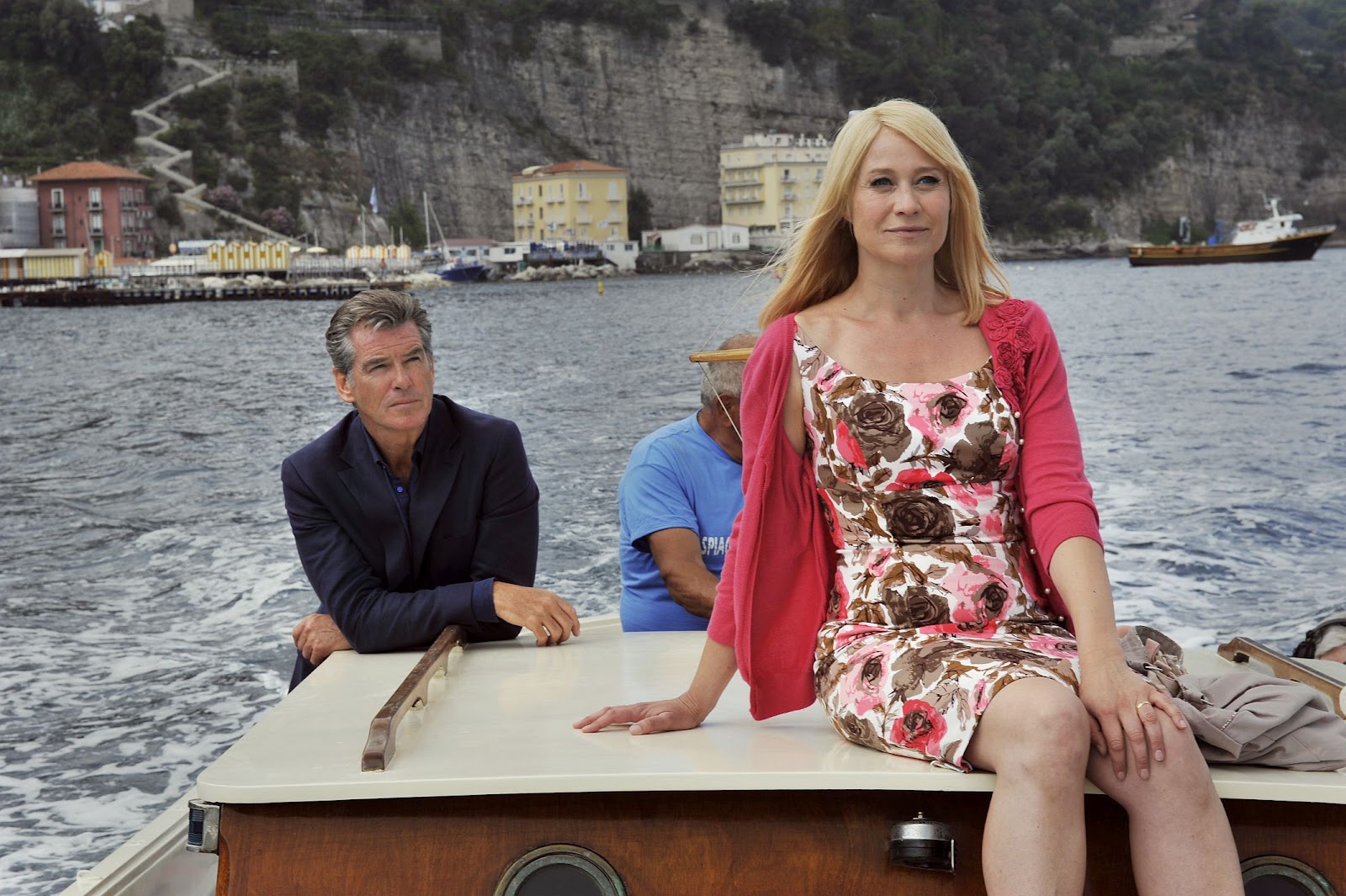
Love is All You Need” (Sundance) — My full review is here. After dark dramas like “Things We Lost in the Fire” and “Brothers,” Danish director Susannah Bier lightens her mood considerably with this sweetly sad tale of a cancer survivor (Trine Lyrholm) and a widower (Pierce Brosnan) finding love of their own at their children’s wedding.

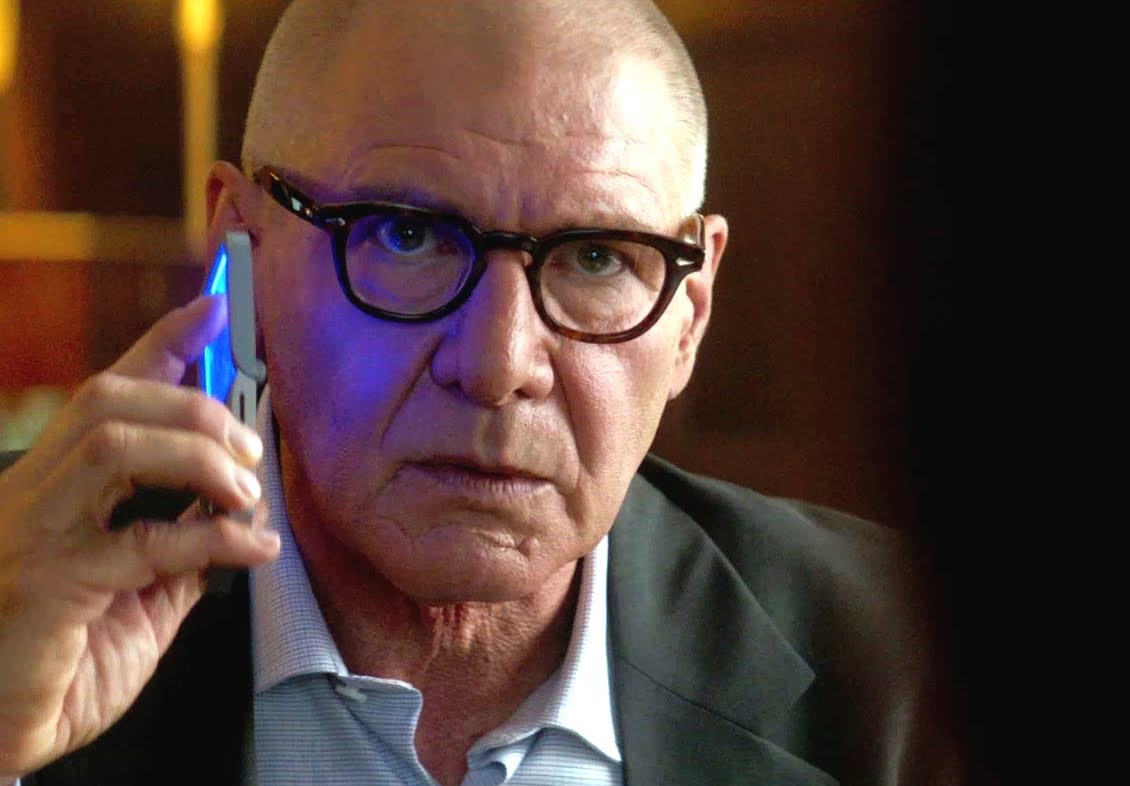
Paranoia” (Point, Eastgate, Star Cinema) — My full review is here. Harrison Ford and Gary Oldman are slumming it in this copycat corporate thriller about rival billiionaires trying to destroy each other. While the two old pros are kind of fun, each gets about 20 minutes of screen time, the rest devoted to Liam Hemsworth removing his shirt so many times that it even made Matthew McConaughey uncomfortable.

Jobs” (Point, Eastgate, Star Cinema, Sundance) — Amazingly, it sounds like the problem with this biopic about Steve Jobs isn’t the casting of Ashton Kutcher in the title role. It’s that the whole film is the kind of flabby, adoring hagiography that Jobs himself probably would have sent back to the factory.

Kick-Ass 2” (Point, Eastgate, Star Cinema) — Confession: I loathed the original “Kick-Ass,” a mean-spirited, unfunny and unexciting riff on the superhero genre. Subtract Nicolas Cage and add Jim Carrey, and you have not given me a reason to see the sequel.

“Once Upon a Time in Mumbai — Dobarra!” (Star Cinema) — No question that films from India have a hot following in the United States — Star is playing both the box office smash “Chennai Express” and this sequel to a 2010 gangster epic.

Friday

Kwik Stop” (7 p.m.,, Union South Marquee Theater, 1208 W. Dayton St.) — My interview with Michael Gilio is here. This 2001 indie drama, poignant and hard to pin down, might have vanished without a trace if Roger Ebert hadn’t tirelessly championed it. As part of the UW-Cinematheque’s Ebert tribute, writer-director-star Michael Gilio will screen the film and talk about Ebert’s impact on it. FREE!

Monday

WALL-E” (9 p.m., Memorial Union Terrace) — Is this the last great Pixar film? Now that the beloved animation house has caught sequelitis, it’s good to see this sci-fi romance, which starts with a masterful, nearly dialogue-free half-hour about the last robot on Earth and evolves into a surprisingly pointed satire of consumer culture. FREE!

wall_e_hd_1080p-HD

Oblivion” (10 p.m., Star Cinema) — Tom Cruise plays the last man on Earth, cleaning up — hey, this is “WALL-E” too! Or another recent sci-fi film, which I won’t give away. Anyway, it’s gorgeous on the big screen, and admission is only $3, with proceeds going to autism research.

Tuesday

Oblivion” (10 p.m. Star Cinema) — See Monday listing.

Wednesday

Oblivion” (10 p.m. Star Cinema) — See Monday listing.

Thursday

Smiles of a Summer Night” (7 p.m. 4070 Vilas Hall) — Ingmar Bergman does the unthinkable — and makes a comedy. Lovers criss-cross at a country estate in a romantic farce that Roger Ebert was a big fan of. FREE!

“Paranoia”: I have the strangest feeling someone is watching a bad movie

PARANOIA

“Paranoia” opens Friday at Point, Eastgate, and Star Cinema. PG-13, 1:42, one and a half stars out of four.

“Good artists copy,” someone in “Paranoia” quotes Pablo Picasso as saying. “Great artists steal.” By that measure, “Paranoia” must be a great movie.

Robert Luketic’s limp adaptation of the bestselling novel by Joseph Finder cribs shamelessly from every corporate-techno-thriller of the last 20 years, from “The Firm” to “Duplicity.” It’s like one of those cheap knockoff phones you might buy on a streetcorner in Manhattan — the “IPhoen 5” of thrillers.

Liam Hemsworth is deeply miscast as Adam Cassidy, a hotshot tech wizard who just happens to look like an Olympic diver. (Seriously, who knew tech nerds took their shirts off this much?) A low-level striver in the Wyatt Corporation, run by the arrogant Nicolas Wyatt (Gary Oldman), Adam dreams of making it to a corner office. Instead, Wyatt fires him after a lousy pitch meeting, and then threatens to arrest him when Adam uses the company credit card to finance a night on the town for him and his friends.

But Wyatt has another offer. He wants Adam to become a corporate spy at Eikon, another tech company run by his rival and mentor, Jock Goddard (Harrison Ford). If Adam can get details on the revolutionary new smartphone that Eikon has in the works, Wyatt will forgive the debt and throw a million dollars in to boot.

So Andrew goes to work for Goddard, who seems much more avuncular and paternal than the devious Wyatt, and the central tension of the film is supposed to be watching Adam decide which billionaire he’ll screw over for the sake of the other. This kind of movie needs zippy, smart pacing and style to get past the plot inconsistencies, but “Paranoia” moves at a leaden march, using ominous music and needless visual trickery (jump cuts and super slo-mo) to try and convince the audience that what they’re watching is cool and suspenseful. Luketic used the same tricks in his last film “21” (which has essentially the same plot, of a handsome young hero trying to outsmart two character actors), it had a more appealing lead actor in Jim Sturgess, and a more interesting environment in Vegas.

paranoia

The only time “Paranoia” comes to life is when Ford or Oldman are on screen, but each gets only about 20 minutes of screentime, despite their prominence on the movie poster. Oldman, slipping into his native British accent for the first time in a while, plays Wyatt as a Cockney tough who somehow made it to the penthouse suite. And Ford, his head shaved, seems to revel in playing a guy who might be nastier than the father figure he appears to be.

When those two clash, finally, “Paranoia” is kinda fun. But they’re largely backgrounded in favor of Hemsworth, who is neither convincing as a tech guy nor, more crucially, as an ambitious guy from the sticks who will do anything to get ahead. Instead, he’s a bland hunk who ambles from scene to scene, furrowing his brow or flashing a confident grin when the scene calls for it,, without any sense that there’s anything going on behind that handsome mug. You kind of want Oldman or Ford to crush him like a bug in the first act and get together themselves for a little “Air Force One” reunion (“Get off my skyscraper!”)

Michael Gilio’s little film “Kwik Stop” needed a champion, and got Roger Ebert

kwikstop

Of all the films playing in the UW-Cinematheque summer-long tribute to the late Roger Ebert, from “The Third Man” to “The Producers,” the one you’re most likely not to have heard of is “Kwik Stop.”

But Ebert wanted you to know it.

So, while the Chicago Sun-Times’ film critic’s passing in April is an unfortunate occasion to revisit “Kwik Stop,” he would probably have liked the fact that the sparkling and surprising 2001 indie film is getting another shot on the big screen. The film will screen for free at 7 p.m. Friday at the Union South Marquee Theater, 1208 W. Dayton St., with writer-director-star Michael Gilio talking about the film and Ebert’s impact on it.

For Gilio, now a screenwriter living in Los Angeles, it will be the first time he’s seen “Kwik Stop” on the big screen since Ebert screened it at the Gene Siskel Center in Chicago in 2005.

“It’s going to be fun,” Gilio said in a phone interview Wednesday. “I’m looking forward to talking about Ebert and remembering the whole thing.”

Ebert’s impact on Gilio’s appreciation for film came at an early age, growing up in the Chicago suburb of Arlington Heights and watching “At the Movies” with Gene Siskel on Saturday nights.

“I would read his movie book every year,” Gilio said. “I would read all the reviews and being kind of in rural Illinois, you didn’t have access to all these films. A lot of the introduction to film for me was just reading his reviews, and I would imagine the movie in my head when I would read them.”

As an actor and screenwriter, Gilio moved back and forth between Chicago and Los Angeles. For his first feature, “Kwik Stop,” he decided to film in his home city, using the convenience stores and motels and corner bars of working-class suburbs as his landscape.

The film kicks off in a way that makes the viewer think this will be a Calumet City update of “Breathless.” A teenager named Didi (Lara Williams) catches a sharp-eyed drifter named Mike (Gilio) stealing a tube of tartar-control toothpaste from a Kwik Stop. Mike brags that he’s heading to Hollywood to become a famous actor (in a car that seems like something out of a movie, with a cutout of Harvey Keitel in the rear-view mirror). Didi begs to go along.

But instead of being a road movie, or a crime movie, or a love story, “Kwik Stop” contains pieces of all of them, playing with genres before subverting expectations. Mike and Didi’s journey together goes to unexpected places, eventually involving Mike’s ex-girlfriend Ruthie (Karin Anglin, who may be at Friday’s screening) and a surly widower (Rich Komenich).

“Poignancy comes into the movie from an unexpected source,” Ebert wrote in his 2002 review. “Depths are revealed where we did not think to find them. The ending is like the last paragraph of a short story, redefining everything that went before.”

Looking back, Gilio says “Kwik Stop” was made in one era in American movies and released in another. When he began making the film, independent films were hot, and in addition to independent distribution houses like ThinkFilm or Newmarket, studios had their own thriving distribution arms like Warner Independent or Paramount Vantage.

“It was just a totally different age,” Gilio said.  “The narrative went if you could get a couple of dentists to contribute you could od a little movie on the cheap, and then you could break out at Sundance and get picked up by one of the independent companies, and you’d be on your way.”

By the time the film was released in 2001, that independent market had largely collapsed, and distribution sources dried up. Even “Kwik Stop” looked different than the other films it would play with at festivals, shot on Super 16 film rather than low-quality digital video.

“It was already a dinosaur,” he said. “Most of the films being shown were all on video. But this was before HD even, so the quality of the movies wasn’t that great, but everyone was shooting on the cheap. And our movie was still on film. It was a weird time. The movie premiered at a time when things were radically changing.”

It also didn’t help Gilio’s cause that “Kwik Stop” was so hard to identify, mixing comic and dramatic elements, following one character and then the next. It’s a hard film to sum up in a movie poster slogan.

“The things that I feel make the film special and unique were the very things that made the film difficult and challenging to get seen and marketed,” he said.

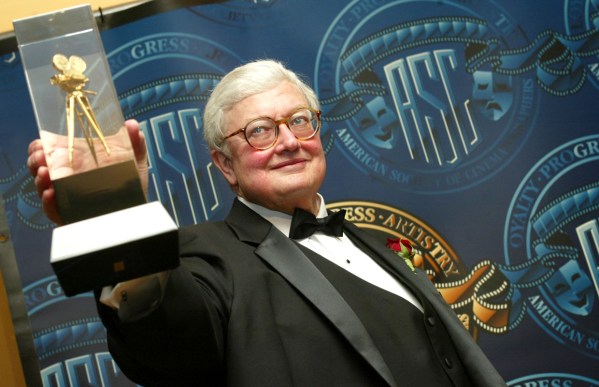
Luckily for Gilio, the film was accepted into the Chicago International Film Festival, and when Ebert got a private screening ahead of time, he loved the film. He began talking it up to other critics and film people, and Gilio began getting invited to more and more film festivals in the United States and Europe.
ebert-award

“He just became a huge champion for us,” he said. “He had such a large national and international voice that it brought a lot of attention to this little film that could.”

Unfortunately, it wasn’t enough for “Kwik Stop” to get a broad distribution deal. It had a small theatrical release, enough that Ebert could then write a formal review praising the film and Gilio. He invited it to play at his Overlooked Film Festival in Champaign-Urbana, which Gilio says was one of the best professional experiences of his life. When Chicago’s Siskel Center asked Ebert to select one of his Overlooked films to play there, he chose “Kwik Stop.”

The film finally came out on DVD in 2005, and Charles Taylor wrote in Slate that the shabby treatment such a good film received in the industry underscored how much had gone wrong with the independent film scene.

Still, Gilio remains grateful to Ebert for his unwavering support of the film, and has fond memories of spending time with Ebert onstage and off, talking about movies.

“When he embraced the movie, it was a really big deal for me and my family,” Gilio said. “Just a very kind, generous guy who went well beyond. He was very passionate about film and about the little guy.”

“Love is All You Need”: Although a villa in Italy doesn’t hurt, either

Love-Is-All-You-Need-Movie

“Love is All You Need” opens Friday at Sundance Cinemas in Madison. R, 1:50, three stars out of four.

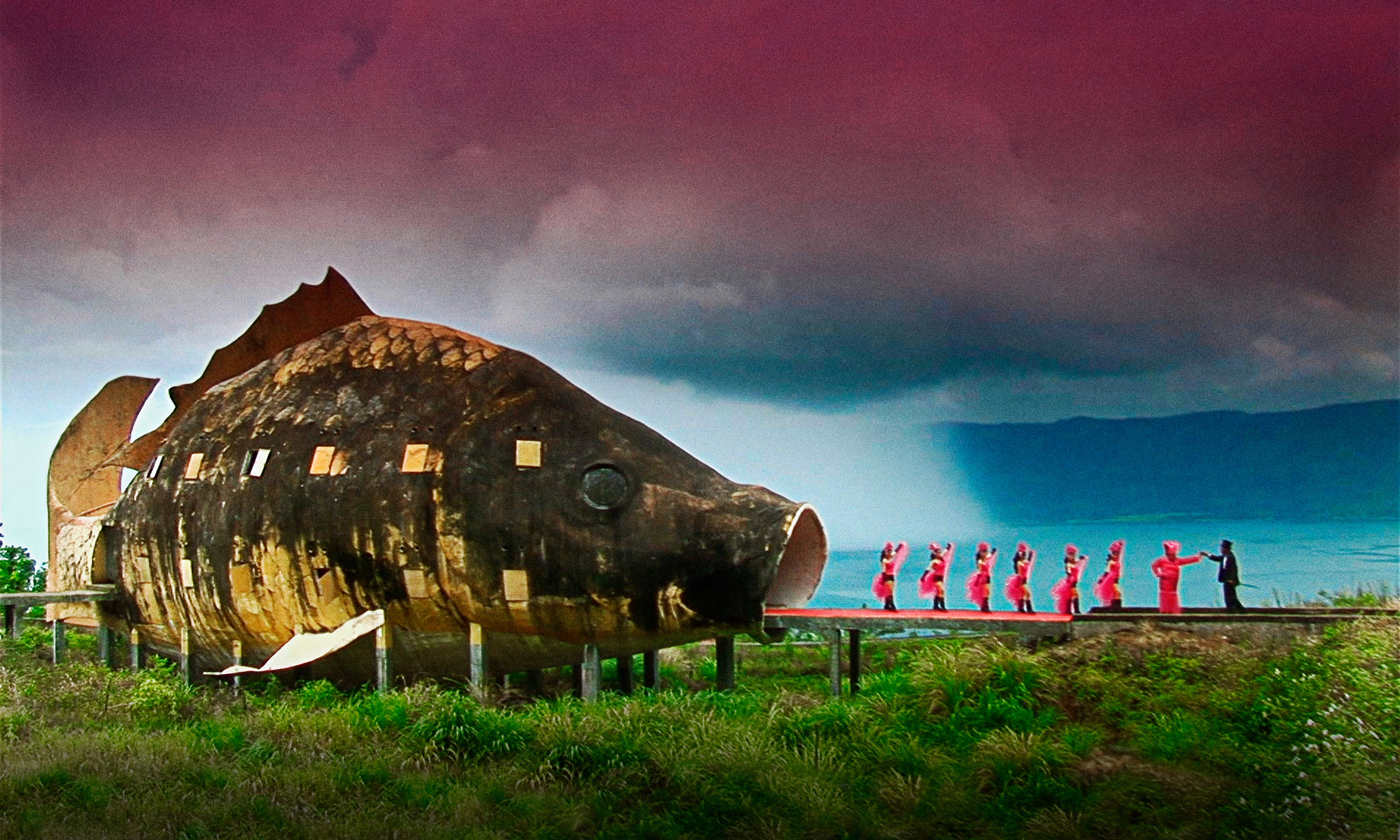
Honestly, I didn’t trust the poster for “Love is All You Need.” It looks like a typically flluffy romantic drama, with Pierce Brosnan and Trine Dyrholm embracing in front of an Italian landscape — “Something’s Gotta Give” with subtitles. But the director is Danish filmmaker Susannah Bier, known for some pretty dark dramas (“Brothers,” “In a Better World.” It would be just like her to pull the rug out from underneath our middle-aged lovers, and the audience.

But, no, “Love is All You Need” comes mostly as advertised, a fluffy and warm romance about characters finding love in the Italian countryside. But Bier and longtime screenwriter Anders Thomas Jensen do introduce sadder notes into their brightly-colored landscapes, which deepen the characters enough that we root for them.

Ida (Dyrholm) has just undergone cancer treatment, her bald head hidden by a long blonde wig. Her daughter is getting married in Sorrento, so as she waits for the final word on whether the treatment worked, she tries to throw herself into the celebration. But when she catches her doughy husband on top of a female employee, she heads to Italy with a pained look, wondering if she’s beating cancer only to win a lifetime of loneliness.

Then she meets Philip (Brosnan), an executive who has thrown himself into his work following the death of his wife. Philip is also the father of the man Ida’s daughter is marrying, and owns the sumptuous villa where the wedding is taking place. He’s brusque and arrogant, flat-out rude to Ida at first, but slowly starts warming up to her charms. Leaving behind the Danish blues and grays of her past films, Bier seems to revel in the warm, bright colors at her disposal here, the bright yellow lemons in the villa’s grove playing off against the deep blues of Philip’s shirts.

LoveIsAllYouNeed_PIC1 (Large)-69872

On one level, this is only one or two notches deeper than a Nancy Meyers flick, but Bier does play with darker themes. Ida is terrified to hear what her doctor has to tell her, and masks her fear with a dazzling smile. Similarly, the return to the villa is dredging up Philip’s bitterness and grief over his wife’s death, which he’s tamping down under a no-nonsense exterior. Ida and Philip are opposites on the surface but very alike underneath, and the film is very appealing as the couple slowly open up and share themselves to each other.

There are other aspects of “Love” that feel overplotted, like a guilty secret that the groom holds, or the grating presence of an aunt who has designs on Philip herself. But when the film gets back to that central relationship, it’s a treat. I think Bier might be a little too acute an observer of human behavior to agree with the simple premise of her film’s title, but she makes us believe it for a while, anyway.

Sundance Classics gets serious with “Pulp Fiction,” “Fight Club,” “French Connection”

pulp_fiction_uma_thurman

Summer’s winding down, folks. And with it goes the fluffy summer classic movies that Sundance Cinemas in Madison had been programming, like “Ghostbusters” and “Dirty Dancing” (which plays Wednesday (today) at 1:20 p.m. and 6:45 p.m.

When the series returns for another run on Wednesday, Aug. 28, things are going to get more serious. They’re going to get medieval, even, starting with Quentin Tarantino’s 1994 classic “Pulp Fiction.” I still viscerally remember seeing it opening night in Springfield, Illinois with some grad-student friends, crammed down into the front row, left side, because the theater was so packed, and feeling almost electrified by what I was seeing.

All of which is to say that, even if you’ve seen “Pulp Fiction” a dozen times since, it’s a movie that demands a big-screen experience with a crowd, which is why the Sundance Classics series is so valuable. And Madison audiences have definitely responded, selling out several screenings (such as “Raiders of the Lost Ark” in May) while, in other cities, the classics series has been discontinued for lack of interest.

Here’s the full schedule for the next Sundance Classics series:

Aug. 28 — “Pulp Fiction” — I loved “Django Unchained,” but this is still Tarantino at the height of his powers, a time-jumping, blood-pumping crime epic in which he seems also desperate to make every moment entertaining.

Sept. 4 — “The French Connection” — Everybody remembers the car chase, of course, but William Friedkin’s 1971 thriller is full of great scenes, from the cat-and-mouse game on the subway to Gene Hackman’s take-no-guff Popeye Doyle, a cop who skates uneasily close to the line between right and wrong.

Sept. 11 — “Some Like it Hot” — Okay, Billy Wilder’s comedy, about musicians Tony Curtis and Jack Lemmon hiding out from the mob in an all-girl band, doesn’t fit with the “serious” theme of this post. Nobody’s perfect.

Sept. 18 — “To Kill a Mockingbird” — Harper Lee’s autobiographical novel became both a riveting courtroom drama and a resonant portrait about good versus evil in a Southern town, as seen through the eyes of the indefatigable Scout.

Sept. 25 — “Fight Club” — First rule of “Fight Club” is that you tell everyone to go see David Fincher’s bloody satire of masculinity in the age of corporate America.

Oct. 2 — “Vertigo” — You can’t do a classic series without a little Hitchcock, and his twisty, twisted tale of obsession and guilt in San Francisco turns the private eye drama into something much darker.

Instant Gratification: “Arbitrage” and four other good movies to watch on Netflix right now

arbitrage

Pick of the week: “Arbitrage”My full review is here. Richard Gere gives one of the best performances of his career as a crooked hedge fund manager trying to stay one step ahead of his creditors, the police and his own family after scandal threatens his empire.

Totally ’80s film of the week: “The Breakfast Club” — The John Hughes classic puts five high school types in daylong detention to find out they have more in common than they think.

Family movie of the week: “Chitty Chitty Bang Bang” — Scripted by Ian Fleming, this is basically the James Bond version of a kids’ movie, as an Englishman travels the globe with the help of his amazing gadgets, beautiful girl on his arm, one step ahead of some grotesque villains. Just more singing in this one.

Drama of the week: “Do the Right Thing” — On public radio last week I listed this Spike Lee film as an unlikely candidate for best “summer movie,” as the sweltering heat of a New York summer causes racial tensions on a city block to come to a boil.

007 movie of the week: “DIamonds are Forever” — Since “The Wolverine” cribbed the “I didn’t know there was a pool down there” line from this 1971 film, it’s fitting to go back to Sean Connery’s last outing as Bond (not counting the near-parody “Never Say Never Again.”) He’s bulkier and less graceful than in the early Bonds, but has the grace of an seasoned pro.

Blu-ray review: “The Damned”

maudits 4

It sounds like the plot of an Alistair MacLean thriller: a German U-boat, loaded with Nazis escaping Europe in the waning days of World War II, stops so that a handsome French doctor can be forced on board to tend to an ailing passenger. In the middle of the Atlantic Ocean, with treachery on every side, can the doctor prevail?

In fact, Rene Clement’s claustrophobic 1947 thriller “Les Maudits” (“The Damned”) does have its share of tense moments. But Clement is going for something a little bigger than melodramatic thrills — something more ambiguous, more metaphorical, and more French. “The Damned” came out this week in a sparkling new Blu-ray edition for the first time from Cohen Media Group.

Most striking is that, unlike other submarine dramas that were shot on sets, “Damned” really makes you feel like you are in cramped quarters underwater. Clement used a reconstructed U-boat for the interiors, shot on top of one in the ocean for the exteriors, and much of the film is shot almost documentary-style.

Second, the handsome doctor (Henri Vidal) is more observer than hero, watching as this motley crew (including a Nazi officer, a German Naval officer, an Italian fascist and a French propagandist) snipe at each other in close quarters. They’re rats on the sinking ship of fascism, turning on each other to stay alive in the pressure-cooker environment of a fleeing U-boat. Made just two years after the end of the war, “The Damned” is a final, moral indictment of pure evil — they can’t even lose honorably.

The extras on the Blu-ray including a feature-length commentary from two Ohio State University scholars, plus an hour-long documentary about the making of the film. Clement, who would go on to make “Purple Noon” and other better-known classics, was seem by French New Wave filmmakers like Francois Truffaut as the sort of conventional French filmmaker they were rebelling against.


On “destruction porn” in summer blockbusters, and in praise of the third-act downshift

World-War-Z

I was reasonably depressed by this article from New York magazine’s Vulture site last week, an interview with Damien Lindelof about the “new rules of blockbuster screenwriting.” The paramount rule seems to be to wage a war of escalation against every other blockbuster out there, going for splashier effects, bigger stakes, and even grander scale of destruction. That’s why the Earth has been destroyed or nearly destroyed a dozen times over at the movie theater this summer.

“We live in a commercial world, where you’ve gotta come up with ‘trailer moments’ and make the thing feel big and impressive and satisfying, especially in that summer-movie-theater construct,” Lindelof says. “Did ‘Star Trek Into Darkness‘ need to have a giant starship crashing into San Francisco? I’ll never know. But it sure felt like it did.”

Lindelof, who co-wrote “Into Darkness,” seems to have at least mild misgivings about this approach, especially the proliferation of what he called “destruction porn” in movie trailers. But he should have even bigger misgivings, because this seems like an unsustainable model to me.

First of all, and most importantly to Hollywood, it seems unsustainable from a pure business perspective. At some point, you can only go so big. At some point, one smashed building pretty much looks like another. And we seem to be seeing audiences getting exhausted at the prospect of box-office apocalypse week after week — they turned out big for “Iron Man 3” and “Star Trek” earlier in the summer, but bailed on “R.I.P.D.” and even “Pacific Rim” to some extent as the months wore on.

Secondly, and more importantly, it seems unsustainable from a creative perspective. If your focus is only on getting bigger and louder moments in your film, you run the risk of exhausting or turning off your audience. You start pushing out things like character or story or humor, and in the end, it’s still those things that hook audiences. “Man of Steel,” which I liked more than a lot of critics, is a quintessential example of this. It had a great battle in Smallville, then moved to the large-scale destruction of Metropolis, with skyscrapers falling down all around Perry White and Co. It was a big, epic, barnburner of a climax.

And it wasn’t enough. We still had another protracted, landscape-wrecking fight between Superman and General Zod to go. Maybe there are moviegoers who love that kind of excess, nonstop action and CGI destruction, but that’s not the vibe I felt from that “Man of Steel” audience. The vibe I felt was “Geez, enough already.” There’s nothing wrong with a little meaningless spectacle, but meaningful spectacle is preferable.

Which is why I’m happy to see something of a backlash brewing in some blockbusters — not a big one, but enough to make me think that there are some filmmakers that are tired of being stuck in an arms race of constant, endless escalation at the movies. Instead, I’m starting to notice more “third-act downshifts,” where big summer movies build to a climax that’s unexpectedly low-key.

This summer, that movie was “World War Z.” Here’s a movie that had some big setpieces — the zombies scaling the walls in Israel, the attack in Philadelphia — and was supposed to end on the biggest one of all, a battle between humans and zombies in Moscow. Instead, that ending was scrapped and “Z” went another way. The climax was instead a protracted, rather elegantly executed piece of suspense, where Brad Pitt slips into a World Health Organization lab where all the scientists have gone zombie to steal a potential cure.

After all the large-scale, top-down carnage throughout the film, it was an absolutely unexpected and refreshing way to end a big summer movie. And “World War Z” ended up being one of the big hits of the summer.

daniel-craig-skyfall3

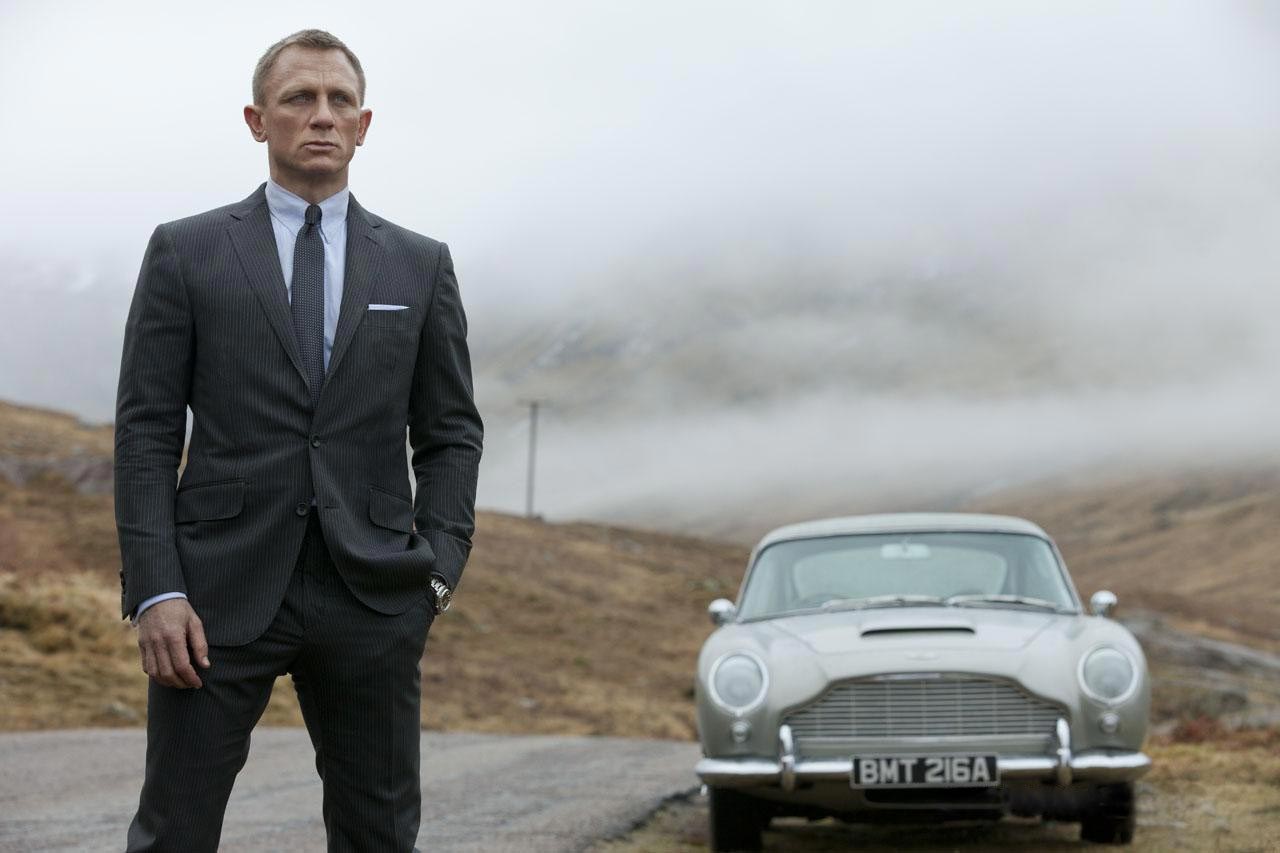
Another franchise that has perfected the third-act downshift in recent years is the James Bond franchise, which is weird, because Bond films always used to end with 007 saving the world, usually by infiltrating the villain’s secret base. But look at how the Daniel Craig 007 films have ended, with a gun battle over a briefcase of money in a collapsing Venice apartment building (“Casino Royale”), a gun battle in a highly-flammable hotel (“Quantum of Solace”) and a showdown at Bond’s ancestral home, where the only thing at stake is the lives of Bond and M (“Skyfall“).

All exciting sequences, all action-packed, but none of them have the expected fate-of-the-world-at-stake hijinks. The Bond films have realized, especially with “Skyfall,” that the smart movie is to escalate the personal stakes, not the global stakes. You can still have your excitement and good-versus-evil struggle, but it will mean something to the audience.

Because, honestly, Damon and company? Part of being entertained is being surprised, and audiences have come to expect that “destruction porn,” like the last big hill on a roller coaster. And while both might provide a momentary thrill, it dissipates awfully quickly.