What’s playing in Madison theaters: Dec. 13-19, 2013

hobbit2

All week

The Hobbit: The Desolation of Smaug” (Point, Eastgate, Star Cinema, Sundance) — The first installment of Peter Jackson’s overinflated three-film adaptation of a trim fantasy novel was flabby and frenetic, but the reviews say this one is better. Bonus points for saying “Sma-oog” correctly when you buy the ticket.

Continue reading

“A Touch of Sin”: Tales of blood and money in the new China

A-Touch-of-Sin-Stills-Da-Hai-Jiang-Wu-06-Copyright-Xstream-Pictures-Beijing

“A Touch of Sin” has its Madison premiere for FREE on Friday, Dec. 13, at 7 p.m. at the UW-Cinematheque, 4070 Vilas Hall, 821 University Ave. Not rated, 2:05, three and a half stars out of four.

China is changing and the films of Jia Zhang Ke are changing with them. Jia’s previous films (“The World,” “Still Life”) gazed at ordinary Chinese citizens adrift in a country that was changing around them, uncertain if there was a place for them in it.

Continue reading

Blu-ray review: “Grey Gardens: The Criterion Collection”

Grey-Gardens-

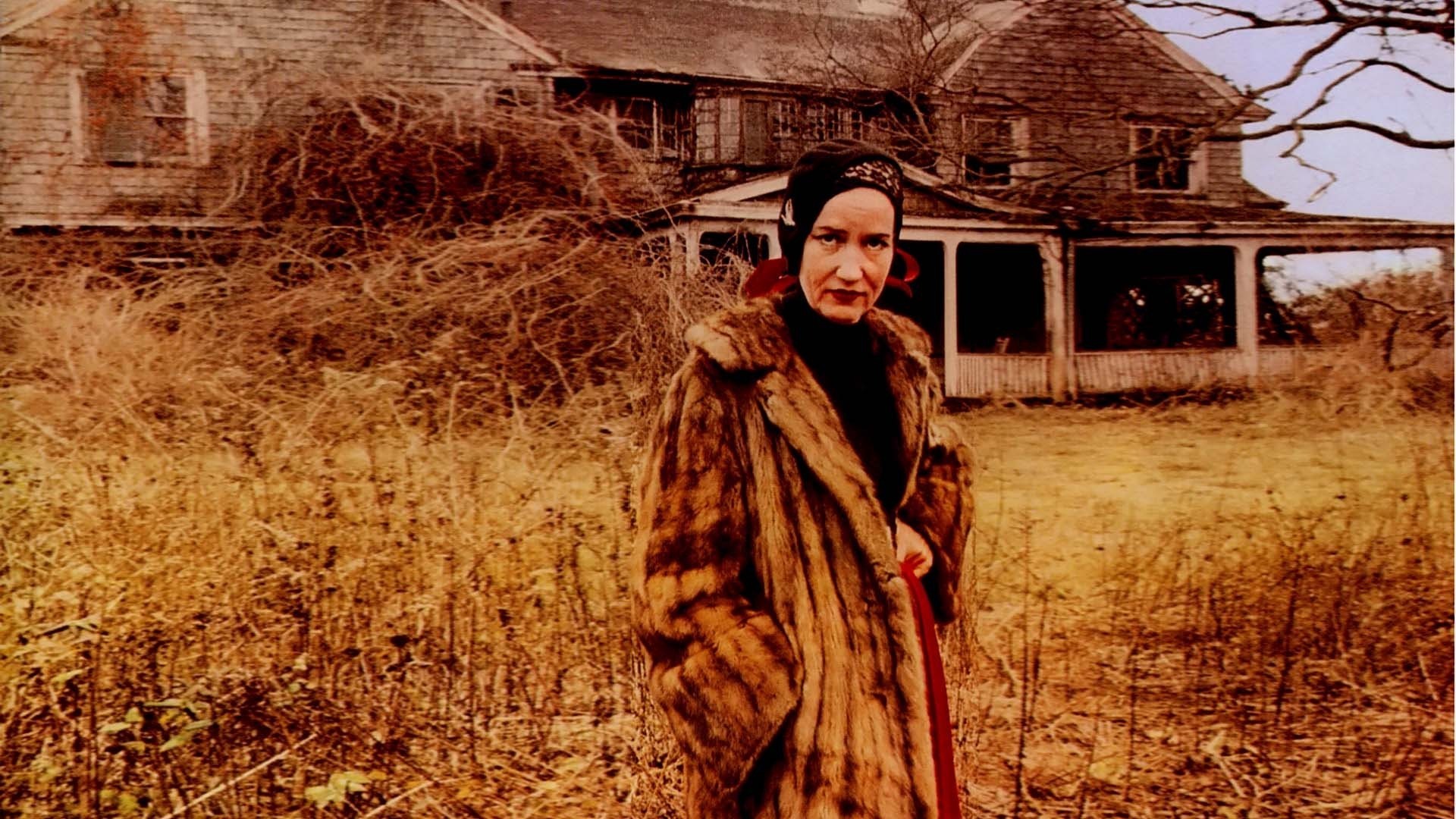
Were Big and Little Edie Beale, the subject of the cult favorite 1976 documentary “Grey Gardens,” the first “celebreality” stars? All the elements seem to be in place for a series on E! — a pair of bonafide eccentrics unabashed about revealing themselves for the camera, who have an adjunct connection to a star (in this case, the cousins of Jackie Onassis).

But dig into the new Blu-ray Criterion Collection edition of Albert and David Maysles’ film and you’ll find it goes far beyond “Keeping Up with the Kardashians.” Ninety minutes with the Beales in their decaying East Hampton mansion is an experience that’s hilarious, awful, touching and a little scary. If the camera exploits their plight, the Beales are fully aware of it and participants in the exploitation.

The movie opens with a flurry of headlines — the decrepit Grey Gardens mansion is about to be condemned and the Beales evicted, so family members (including Jackie O) fix the house back up. The Beales move in, but start allowing the place to slowly fall apart again (one way to tell the passage of time in “Grey Gardens” is watching how a raccoon slowly destroys one wall).

The Beales are much less interested in home upkeep and much more about talking, mother and daughter circling around and around the events of the distant past, quarrelling and laughing and singing and crying. The mother, Big Edie, sits in her single bed, the sheets covered by old photo albums, papers and other detritus of the past. Daughter Little Edie stalks around in a variety of bizarre homemade “costumes,” a scarf ever-present on her head, carrying on a rambling monologue in the plummy tones of high society. Cate Blanchett’s performance in “Blue Jasmine” must owe a little to Little Edie, that sound of privilege adrift.

“Everything good — that’s what you didn’t do,” Big Edie says acidly and memorably in response to one of Little Edie’s tirades about how her mother held her back and didn’t let her fall in love, pursue her dancing career, or otherwise live the life she wanted. A big part of “Grey Gardens” is about regret, how it can consume us and how we can vanquish it. The Beales may be pariahs in polite society, but they’ve certainly created their own iconoclastic existence within the walls of Grey Gardens, almost a dark mirror of the other mansions in the Hamptons, where family secrets are kept well hidden.

It’s no wonder the film was such a cult hit — every time you go back to it, you pick up more dialogue, understand better the whirlwind of emotions and memories in that house. It’s clear, from the film and from the interviews with Albert Maysles included on the DVD, that the filmmakers loved these women, and the four of them develop a strange chemistry that’s rare for documentary film.

Criterion first released “Grey Gardens” on DVD in 2001 — this new Blu-ray version includes a new 2K restoration, but also another full-length documentary, “The Beales of Grey Gardens,” made up footage the Maysles didn’t use in the original film. Which is good, because after seeing the original “Grey Gardens,” you’re going to want to spend some more time visiting the ladies.

Blu-ray review: “Big Star: Nothing Can Hurt Me”: A no-hit wonder gets its due

big-star-nothing-can-hurt-me

The story of Big Star had all the elements of a great rock ‘n’ roll story, except anyone paying attention to it.

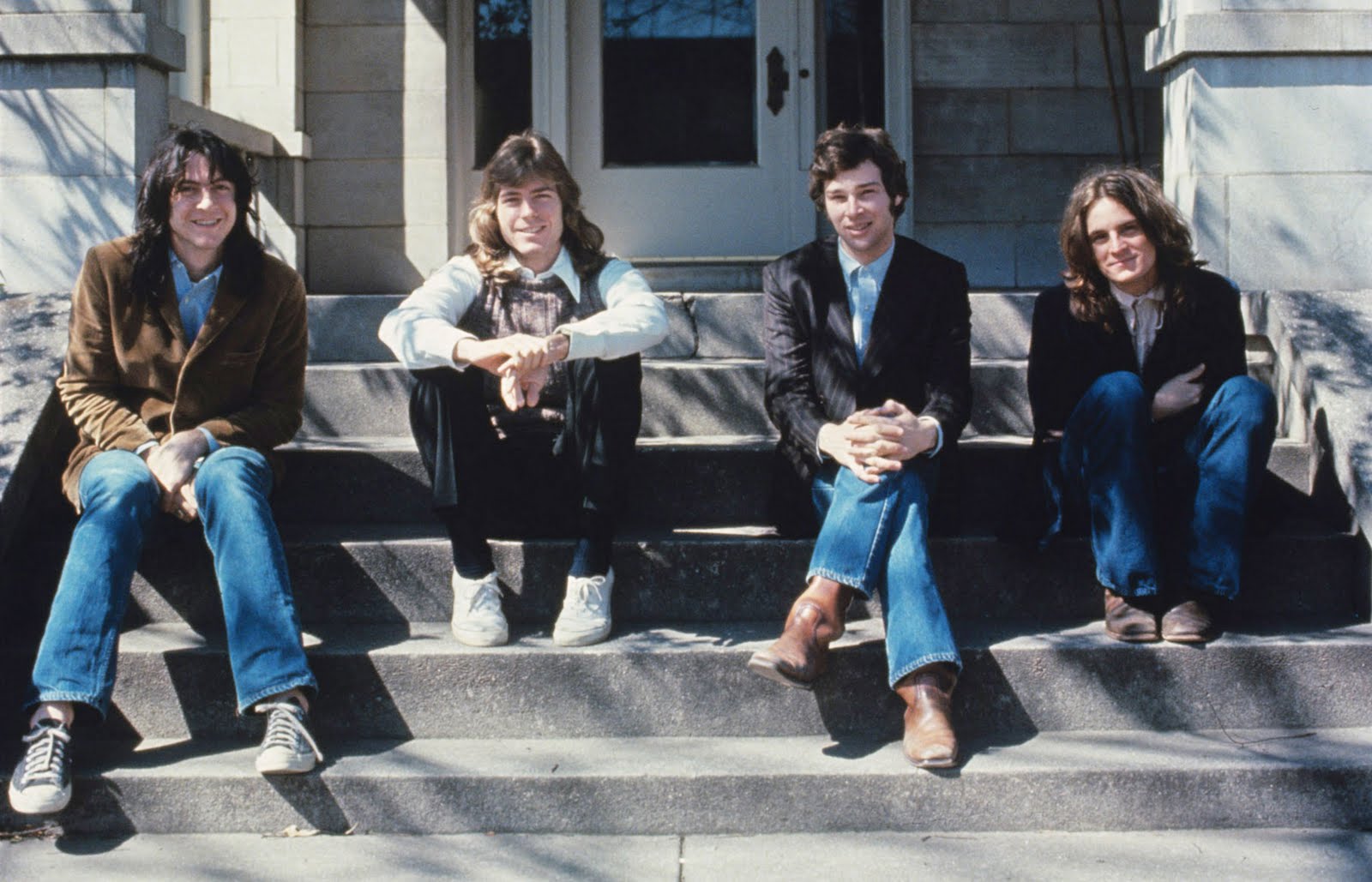
The Memphis band made three critically-beloved power-pop albums in the 1970s whose impact rippled through generations of musicians and music fans to come. Big Star had a charismatic, enigmatic frontman in Alex Chilton, already a pop star for penning and singing The Box Tops’ “The Letter.” And they had a bonafide rock and roll tragedy in the story of Chris Bell, the McCartney to Chilton’s Lennon, who died in a car crash when he was only 27.

The only trouble was that Big Star couldn’t sell any records, and much of the world remained totally oblivious to such great music and a great story. The band disbanded in the mid-1970s, but true believers from the Replacements to Elliott Smith kept the flame alive. For younger listeners, Big Star was a band you found through your favorite bands.

Now comes “Big Star: Nothing Can Hurt Me,” a definitive documentary to tell Big Star’s story and make sure their place in rock ‘n’ roll history is properly secured. Writer-director Drew DeNicola takes the viewer through the creation of the band and its three albums, “#1 Record,” “Radio City” and “Third/Sister Lovers,” talking to surviving band members, Memphis musicians and producers, critics and family members.

Two emotions fight for dominance while watching the saga — the exhilaration that comes from seeing great artists working at the peak of their powers, and the frustration of watching the world ignore those great artists. Theories abound as to why Big Star never stuck — they were bringing fragile, tuneful pop music into an early ’70s music business defined by arena shows and big, bombastic sounds. Bad luck also played a role, as the major-label merger that looked like it would rescue Big Star ended up torpedoing its chances.

After the band broke up, Bell and Chilton seemed to go in opposite directions. Bell continued to toil and perfect the Big Star sound (if nothing else, the film will ensure Big Star fans scoop up Bell’s excellent solo work), while Chilton seemed to repudiate its ear-friendly sound, defiantly making dissonant music with bands like Panther Burns. Eventually, Chilton resurrected Big Star in the 1990s, so he must have somehow reconciled his connection with the band.

A recurring visual motif in “Nothing Can Hurt Me” is the camera panning over shelves and shelves of old Big Star recordings, tapes all carefully labeled in black Magic Marker. It could be something out of a museum. But the genius of Big Star, and of “Nothing Can Hurt Me,” is that when you take those recordings off the shelf and cue them up, the music sounds as potent and as relevant as anything out there.

“Bastards”: A class struggle fought in blood

bastards

“Bastards” screens at 7 p.m. Thursday at the Madison Museum of Contemporary Art, 227 State St. Free for museum members, $7 for all others. Not rated, 1:41, three stars out of four.

Directly before the title card for Claire Denis’ “Bastards,” we see a man (Vincent Lindon) in a taxicab, looking out the back window, the landscaped divided by the horizontal lines of the rear defroster.

Continue reading

Instant Gratification: “The Iceman” and four other good movies to watch now on Netflix Instant

The-Iceman

Pick of the week: “The Iceman”: My full review is here. Michael Shannon is effectively scary in this true-life gangster tale of a New Jersey hitman responsible for killing hundreds of people, all the while maintaining the facade of a normal family man. Shannon can go off the rails in a perfromance, but here he’s frighteningly tuned down, not a psychopath, but a man who has found a trade he’s good at.

Continue reading

Kindness, cruelty and “12 Years a Slave”

TWELVE YEARS A SLAVE

A few years ago, there was a piece on “This American Life” about a “living history” museum outside Indianapolis that tried to give patrons a more immediate sense of what it was like to live under slavery. So tourists would actually role-play the part of slaves, yelled at and berated by a historical reenactor playing the part of a slave master. Judging by the audio, he played the part very well — so well that he would make some tourists cry, even throw up.

Continue reading