Wisconsin Film Festival Spotlight: “Obvious Child”

obviouschild

The 2014 Wisconsin Film Festival schedule went live on Thursday, and each day between now and the start of the festival on April 3, I’ll be zooming in on one of the more than 140 films playing at the festival. If you have suggestions about films you’d like to know more about as you’re planning your festival experience, let me know in comments.

Obvious Child” (Tuesday, April 8, 2:30 p.m. and Thursday, April 10, 8:45 p.m., Sundance Cinemas) — I was all alone on this one at the Sundance Film Festival.

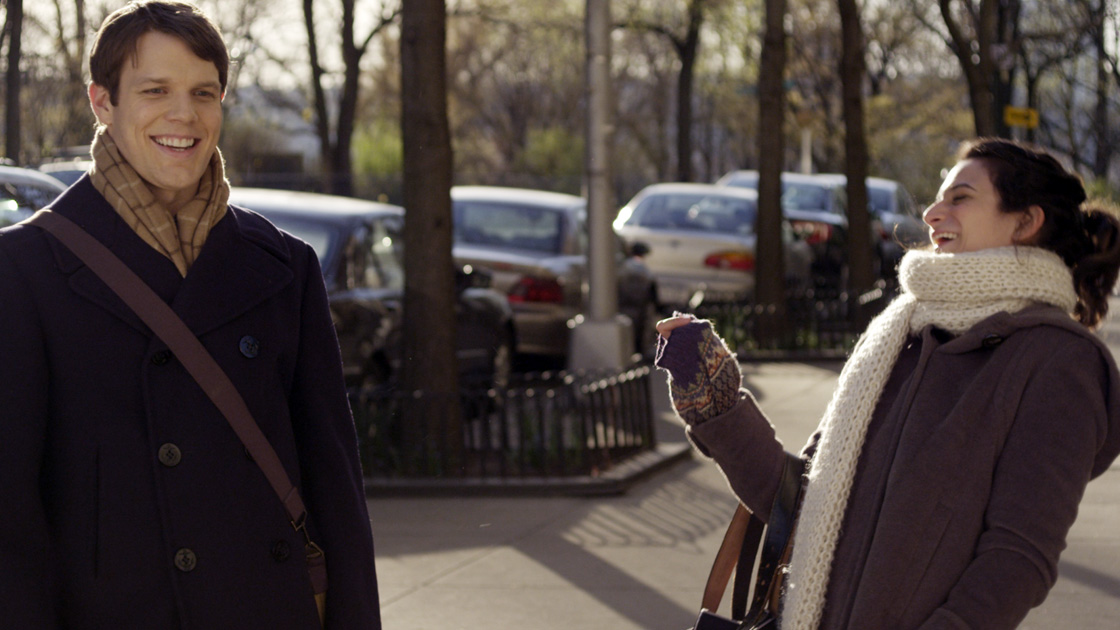
Audiences, and most critics, loved this debut film from Gillian Robespierre and agreed it would be a breakout film for Jenny Slate, so good on “Saturday Night Live” and as Jean-Ralphio’s sister on “Parks and Recreation.” And I’m with them there — Slate is very funny as a fearlessly raunchy stand-up comedian working New York clubs. She’s so relentlessly, unabashedly raw, but in such a sweet way, like she doesn’t get what the fuss is about.

Continue reading

Wisconsin Film Festival Spotlight: “Kumiko, the Treasure Hunter”

kumiko

The 2014 Wisconsin Film Festival schedule went live on Thursday, and each day between now and the start of the festival on April 3, I’ll be zooming in on one of the more than 140 films playing at the festival. If you have suggestions about films you’d like to know more about as you’re planning your festival experience, let me know in comments.

Kumiko, The Treasure Hunter” (Sunday, April 6 at 8:30 p.m and Monday, April 7 at 8:30 p.m., Sundance)

Of all the films I saw at the Sundance Film Festival in January, the one that immediately leaped out at me as a perfect fit for our own Wisconsin Film Festival was — well, it was “Life Itself,” the Roger Ebert documentary. But the distributor seems to be keeping that one off the festival circuit in advance of a summer theatrical release.

Continue reading

2014 Wisconsin Film Festival schedule is just 24 hours away!

Joe4

I was going to write a “Twas the Night Before Christmas”-style introduction to this post in order to capture the excitement Madison film fans are feeling on the eve of the 2014 Wisconsin Film Festival schedule going live. But then I looked out at the snow coming down outside, and it just hit a little too close to home. Weather gods, seriously? It’s March.

Continue reading

Wisconsin Film Festival review: “Stories We Tell”

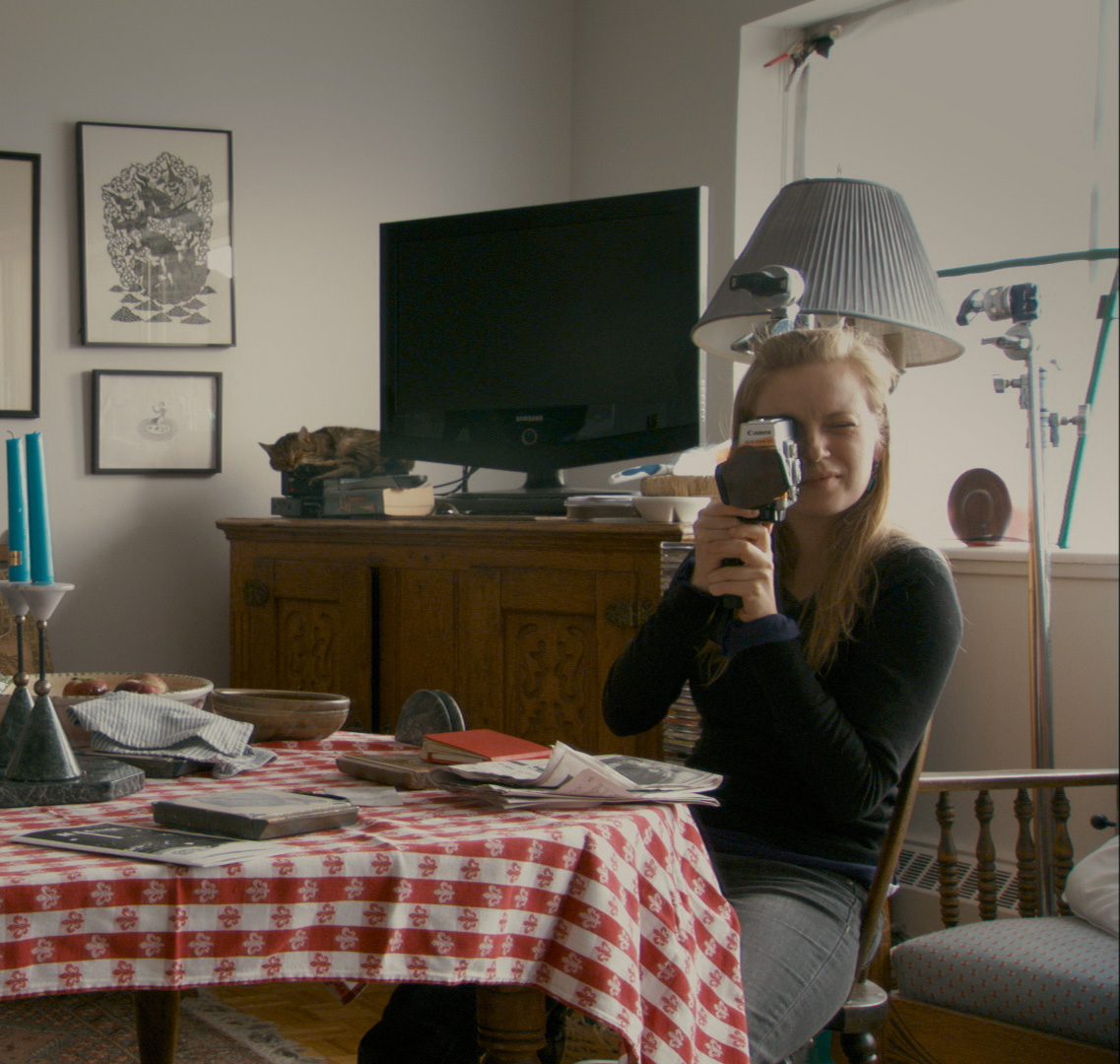
stories-we-tell-sarah-polley-super-8-cam

From the beginning, Sarah Polley opens the hood of her documentary “Stories We Tell” and shows the machinery whirring inside. The film begins with her and her father entering a recording studio, and a montage of Polley and her crew setting up cameras and lighting for the film’s interview subjects.

It’s an introduction that’s tantamount to a magician’s “nothing-up-my-sleeve” insistence, because Polley has something far more interesting and unusual in mind that the typical nuts-and-bolts documentary. “Stories We Tell” is a powerful and very personal story from Polley, but she’s also constantly mindful that it’s a “story,” a series of facts and opinions shaped into a narrative, and as such isn’t entirely to be trusted.

And this is, in a very literal sense, Polley’s story. The film digs deep into the lives of her parents, Mick and Diane Polley, who met on the Toronto theatrical scene. Mick cut a dashing figure onstage, while Diane was beautiful and vivacious, the sort of woman who “make the record skip” when she walked into a room in more ways than one.

As Mick settled into kind of a middle-aged fog, Diane grew frustrated, and took an acting job in Montreal in 1978 that took her away from home for a couple of months. What happens next, the viewer should discover from the film, as Polley digs through layers after layers of reminiscences and rumors, interviewing her four siblings and friends of the family.

As we’re following the sudden revelations of the story — and there are some doozies, expertly revealed by Polley as she shifts from perspective from perspective — we’re also becoming aware of how each account differs. Some people have the facts a little off, others just view the same facts differently than others. One man, who seems to be just a supporting character in the drama, insists that his account and only  his is the truth, and all the others are just noise.

The closest the film has to an authority is Mick, who reads from his writing about the family history in plummy, theatrical tones throughout the film. But even he doesn’t have the full picture of his own family.

The perspective that is largely missing, ironically, is Polley’s — although we see B-roll footage of her about to be interviewed, it never appears in the film. Instead, she seems to be getting at the truth of her life the way a submarine uses sonar, pinging off the other people in her life until she finds a spot that overlaps. It’s a fascinating process, and Polley (an actress turned acclaimed director of the dramas “Away From Her” and “Take This Waltz”) blends the different voices expertly until a bigger picture emerges.

The film also weaves in Super 8 home movie footage of Diane and the family, although it turns out that the way Polley is telling the story contains as many secrets as the story itself. Put it this way; critics who like their documentaries the way Joe Friday likes his witnesses — “Just the facts, ma’am” — are going to have a big problem with this movie.

For me, it’s a brilliant film that manages to be both one family’s shared history and all families’ shared histories. Would “Stories We Tell” have been as compelling if Polley didn’t add all the post-modern devices to it? On the level of pure storytelling, probably. But the way she tells the story takes it beyond “What happened?” and forces us to examine the too-tidy narratives of the stories we tell ourselves.

Wisconsin Film Festival review: “Key of Life”

KEY-OF-LIFE-2012.mp4_snapshot_01.11_[2012.11.05_23.32.33]

Oh, you could make such a terrible Hollywood remake of “Key of Life.” The pieces are all there, just waiting for some hack screenwriter to mess them up.

But it hasn’t happened yet, so enjoy the dizzying original Japanese screwball comedy while you can, which had two screenings at the Wisconsin Film Festival this week.

The premise is classic high-concept comedy; wannabe actor and all around loser Takeshi (Masato Sakai) sees an opportunity in the bathhouse when another bather slips on a bar of soap and is knocked out cold. Takeshi quietly switches locker keys with the unconscious man, steals his clothes and cash out of his locker, and hightails it out of there.

Only it turns out that he has switched identities with a cold-as-ice hitman, Kondo (Teruyuki Kigawa). Driving Kondo’s car and living in Kondo’s fancy apartment, Takeshi is mistaken for the killer and roped into doing some unfinished business for the local yakuza.

The real Kondo, meanwhile, has amnesia, and settles into in Takeshi’s old sad-sack existence. But he’s happier than he ever was as a contract killer, especially after he meets magazine editor Kanae (Ryoko Hirosue) who has marked her wedding date on her day planner. Now she just has to find a husband, and Kondo seems as good as any.

Writer-director Kenji Uchida has written a crackerjack script, one with jokes that detonate right away and others that lay fizzing for most of the film before suddenly exploding when we least expect them too. At over two hours, “Key of Life” could have been a little snappier in the pacing department, but the energy level and inventiveness never flags, and when the comics twists and turns come along, they’re beautifully executed.

“Key of Life” was picked up for U.S. distribution by Film Movement, which bodes well for a DVD release.

Wisconsin Film Festival: Michael Murphy takes “Manhattan”

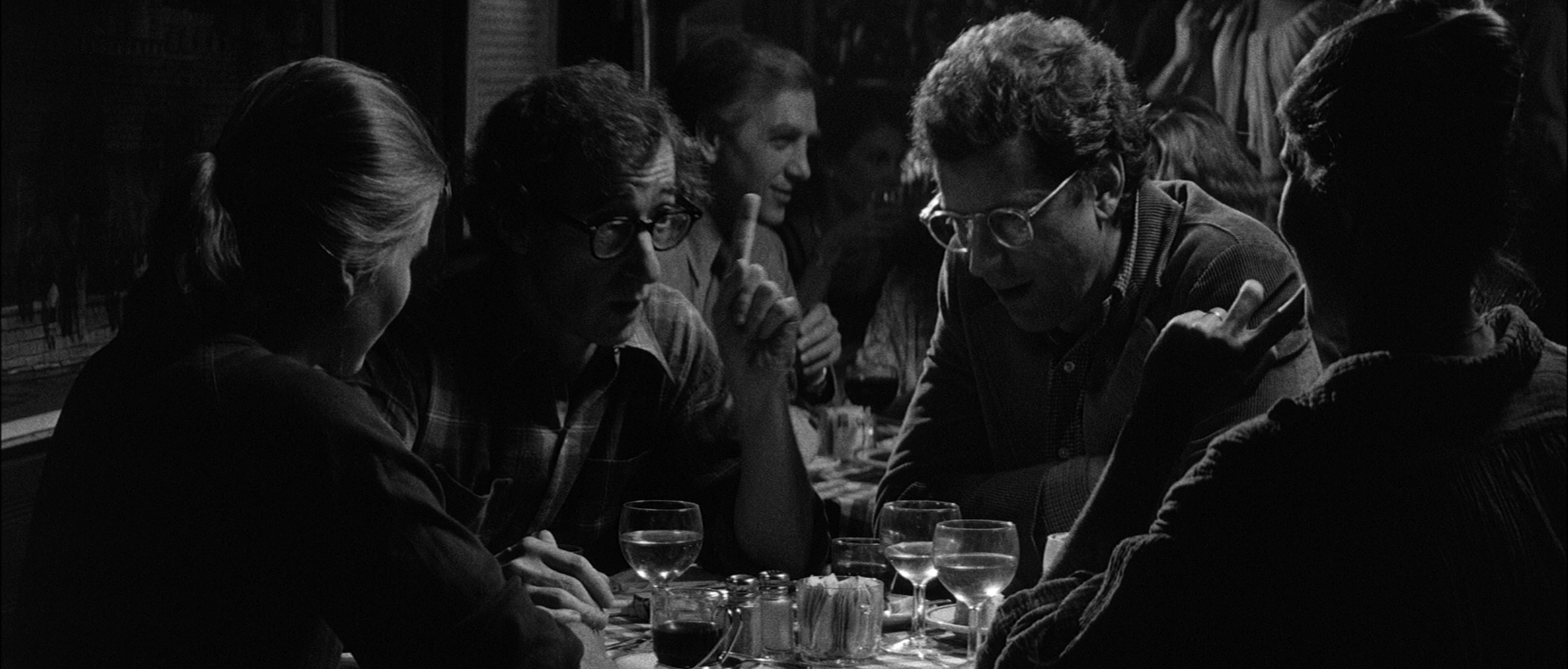
manhattan

I had not planned on going to all three of Michael Murphy’s events at the Wisconsin Film Festival. I thought I would hit “Phase IV” for sure, and then maybe “Brewster McCloud” just to hear the actor tell Robert Altman stories. But that was it. Certainly not Woody Allen’s “Manhattan,” which I love but have seen plenty of times in my life.

And there I was, watching “Manhattan” at the Union South Marquee Theater. And loving it. Because it’s “Manhattan.” And it’s Michael Murphy.

Murphy is just such a great storyteller and such a gregarious guy (and, let’s face it, “Manhattan” is such a wonderful film) that I couldn’t pass up the chance. Festival director of programming Jim Healy said it was a new print of “Manhattan,” and the black-and-white shots of ’70s New York looked awesome on the big screen. I got chills during that final “Rhapsody in Blue” overture. And, after Allen’s spotty later years, it’s just such a pleasure to return to the sharp writing (with UW-Madison graduate Marshall Brickman) of his peak years.

So, of course, Murphy talked during the Q&A about how much Allen never liked “Manhattan,” so much that he wanted to take the print back from the studio and make them another film for free. Murphy said he agreed with actor Pat Healy, who was at the screening, that Allen might have been so uncomfortable with the film because it hit so close to home.

“This is as close to Woody as you’ll ever see,” Murphy said.

Murphy and Allen became friends while acting together on 1976’s “The Front,” and Murphy said what you see in “Manhattan” is pretty much their lives together (minus the adultery,etc.) “We had a million meals at that table in Elaine’s, some unbelievable conversations,” he said. “It was just like going out and having dinner with your friends.”

Murphy also told some funny stories about Allen’s notorious hypochondria, such as convincing himself that he had a brain tumor after listening to a lot of George Gershwin, who died of a brain tumor. Another time, Murphy remembered trying to convince Allen that he wouldn’t die young, noting that both his parents lived to be well into their 90s.

“Genetics will only get you so far, Murphy,” Allen reportedly responded.

Wisconsin Film Festival review: “Cheap Thrills”

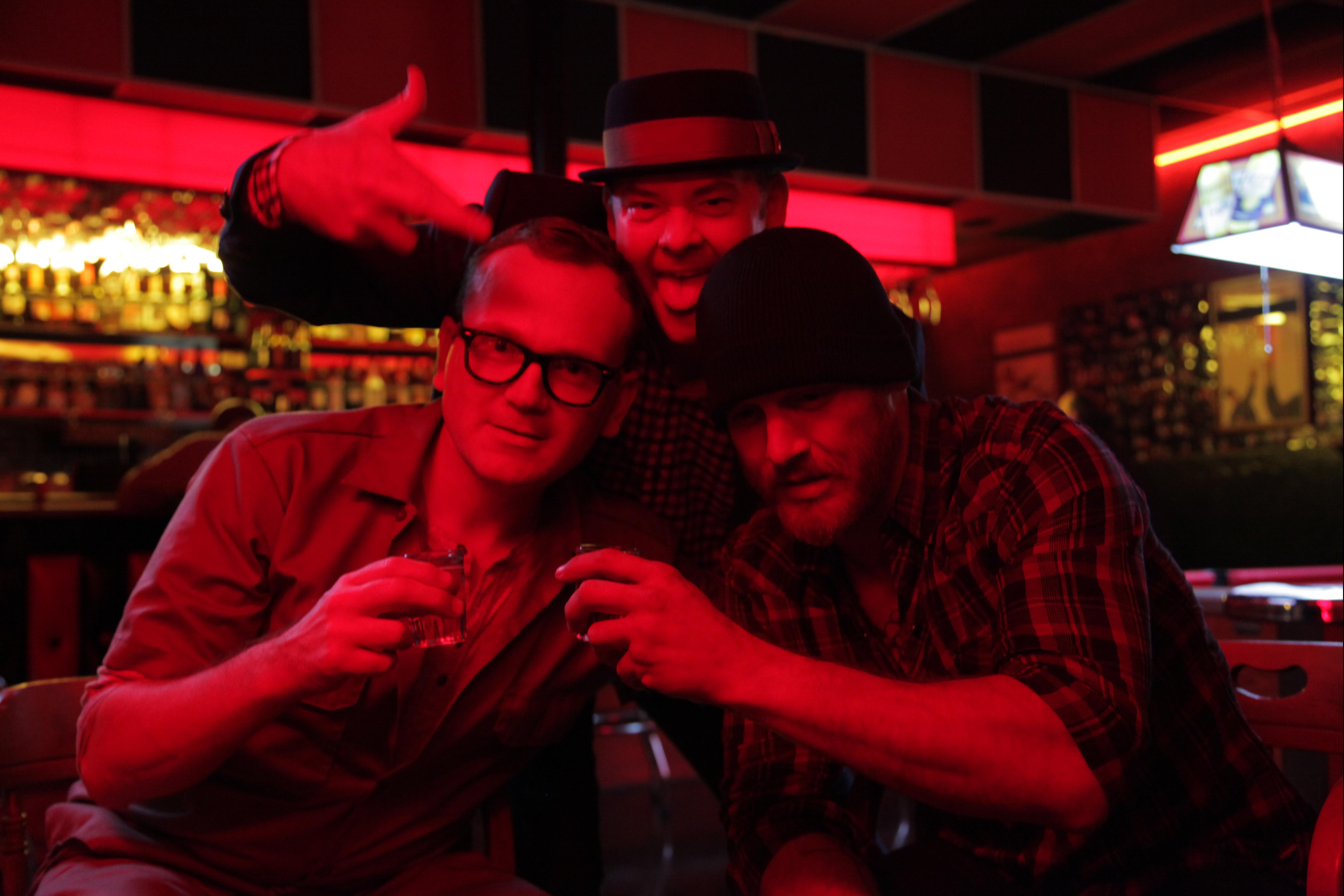
cheap_thrills_credit_

Between last year’s “Compliance” (which he also brought to the Wisconsin Film Festival) and this year’s “Cheap Thrills,” actor Pat Healy is cornering the market on a special kind of horror movie.

Sure, the two movies couldn’t be more different in tone. “Compliance” is a stomach-twisting moral nightmare in which a phone prankster convinces a fast-food manager to detain and abuse an employee. “Cheap Thrills,” which screened Saturday night, is a raucous pressure cooker that dishes out laughs and shrieks with equal measure.

But at heart, both are horror movies. They’re just not horror movies that try to make us afraid of a vampire, or a serial killer, or some other evil entity out there. They try to make us afraid of ourselves, what good decent folks like us are capable of.

“Compliance” played on our unthinking obedience to authority figures. “Cheap Thrills” makes us question what we would do for money, if we were desperate enough and there was no chance of anyone finding out.

Craig (Healy) is plenty desperate. In a few deft strokes, essential for spelling out the stakes of the film, Katz shows us how Craig is in trouble; he’s got a wife and infant son in an apartment he’s about to be kicked out of, and just lost his job as an auto mechanic, a long step down from his failed dreams of being a writer. In a daze, he stumbles into a dive bar and meets Vince (Ethan Embry), an old high school buddy turned low-level enforcer. He’s tougher than Craig, but in his own way he’s just as desperate as Craig.

And the a wealthy couple, Colin (David Koechner) and Violet (Sara Paxson) calls them over to their table. Colin is dropping $100 bills like they were about-to-expire Groupons, and buys round after round of expensive tequila. He suggests a friendly bet to Craig and Vince for $100. Then another friendly bet for $200.

Eventually, they head back to the couple’s house. And the bets start getting a lot less friendly.

As the dares get more and more depraved (and lucrative), “Cheap Thrills” gets more outrageous and more disgusting. But Katz and screenwriters Trent Haaga and David Chirchirillo, along with the foursome of actors, always keep track of the relationships among the four characters. Who wins one bet isn’t as important as how it strains the friendship between Vince and Craig, getting them to turn on each other. And how back-slapping Colin and the seemingly bored Violet manipulate them into vying for more and more money. The horror doesn’t come from what Colin offers them. It comes from Vince and Craig eagerly accepting, even low-balling each other for the opportunity to debase themselves.

One of the most telling moments in the film comes, in the middle of some out-there dares, when Colin idly offers $300 to the first guy who can fix him a vodka tonic. Vince jumps at the chance, like an obsequious waiter, and Colin knows he has him. Vince just sold his dignity for $300. “Cheap Thrills” is all about what lines you’re willing to cross, and for what. The parallels are there to larger forces in American life, whether it’s reality television, or moneyed interests pitting one segment of the lower classes against the other (“Unions are ruining America!”) But the movie never overstates this, focusing on everyman Craig and his bizarre, bloody quest to bring home the bacon.

Healy gives such a fearless and funny performance as Craig, and Embry draws lots of laughs as the tough guy who can’t believe how far his nerdy friend will go. Koechner, best known for big comic parts in “Anchorman” and on “Saturday Night Live,” brings just the right dose of menace and condescension beneath Colin’s jovial exterior — he’s like a sociopathic Bill Murray. Paxson, who also worked with Healy in “The Innkeepers,” is quietly unnerving, as Violet casually snaps away on her camera phone at all the mayhem.

In the post-show Q&A, Healy said he really liked how the screenplay made every step Craig takes seem utterly believable, no matter how strange things get.

“The role had everything I would want to do in a movie,” he said. “What excites me the most about any part is a real arc, that goes from Point A to Point Z, and that it charts logically, as crazy as it is.”

Saturday’s screening was the Midwest premiere of the film, which opened last month at South by Southwest and was immediately snapped up for distribution by Alamo Drafthouse Films.
Wisconsin Film Festival review: Michael Murphy revisits “Phase IV”

phaseiv

“If I had been a tube of blue paint, he would have liked me more.”

That was actor Michael Murphy talking about Saul Bass, legendary designer and less-than-legendary filmmaker. In fact, although he designed iconic posters and opening-credits sequences for films like “Vertigo” and “The Man With the Golden Arm,” Bass made just one film as a director, the 1974 sci-fi thriller “Phase IV.”

Underseen for decades, “Phase IV” has resurfaced, and it played at the Wisconsin Film Festival on Saturday morning with a somewhat chagrinned-looking Murphy talking about it. “I heard some inappropriate laughter, dammit!” he joked to the audience after the film.

The foundation of the film is a rather silly sci-fi premise, that ants are starting to evolve and fight back against their predators, including humans. A pair of scientists (Murphy and Nigel Davenport) have come to a remote part of Arizona to study the phenomenon, and find themselves trapped in an escalating war of wits with the collective little buggers.

Universal Pictures sold the film to audiences as a horror movie in the vein of “Kingdom of the Spiders,” and there are some of those cheesy elements in there, to be sure. But Bass also brings a striking visual style to many scenes, including many close-up shots of the ants, and a gonzo original ending fully of trippy, baffling images that turned off test audiences.

After years working with improvisation-friendly director Robert Altman (such as on “Brewster McCloud,” which Murphy screened at the festival on Friday) Murphy wasn’t used to the strict hit-your-marks style of a director like Bass, and it showed. Bass and the studio constantly battled over the film, and Murphy said he was frustrated with several poor decisions, such as an intrusive introductory voiceover and terrible looped dialogue.

“It would have been a really interesting film if there was a little bit of attention paid to performances,” Murphy said. “Saul was a great artist, a good guy.”

Sean Savage of the Academy Film Archive, who found and restored the long-lost original ending, says he has a treasure trove of Bass material about “Phase IV” and other projects, and there have been some informal discussions about trying to release a restored Blu-ray edition at some point.

Murphy will be at the Union South Marquee Theater at 1:15 p.m. Sunday to introduce a film he’s much prouder of, Woody Allen’s “Manhattan.”

Wisconsin Film Festival review: “A Hijacking”

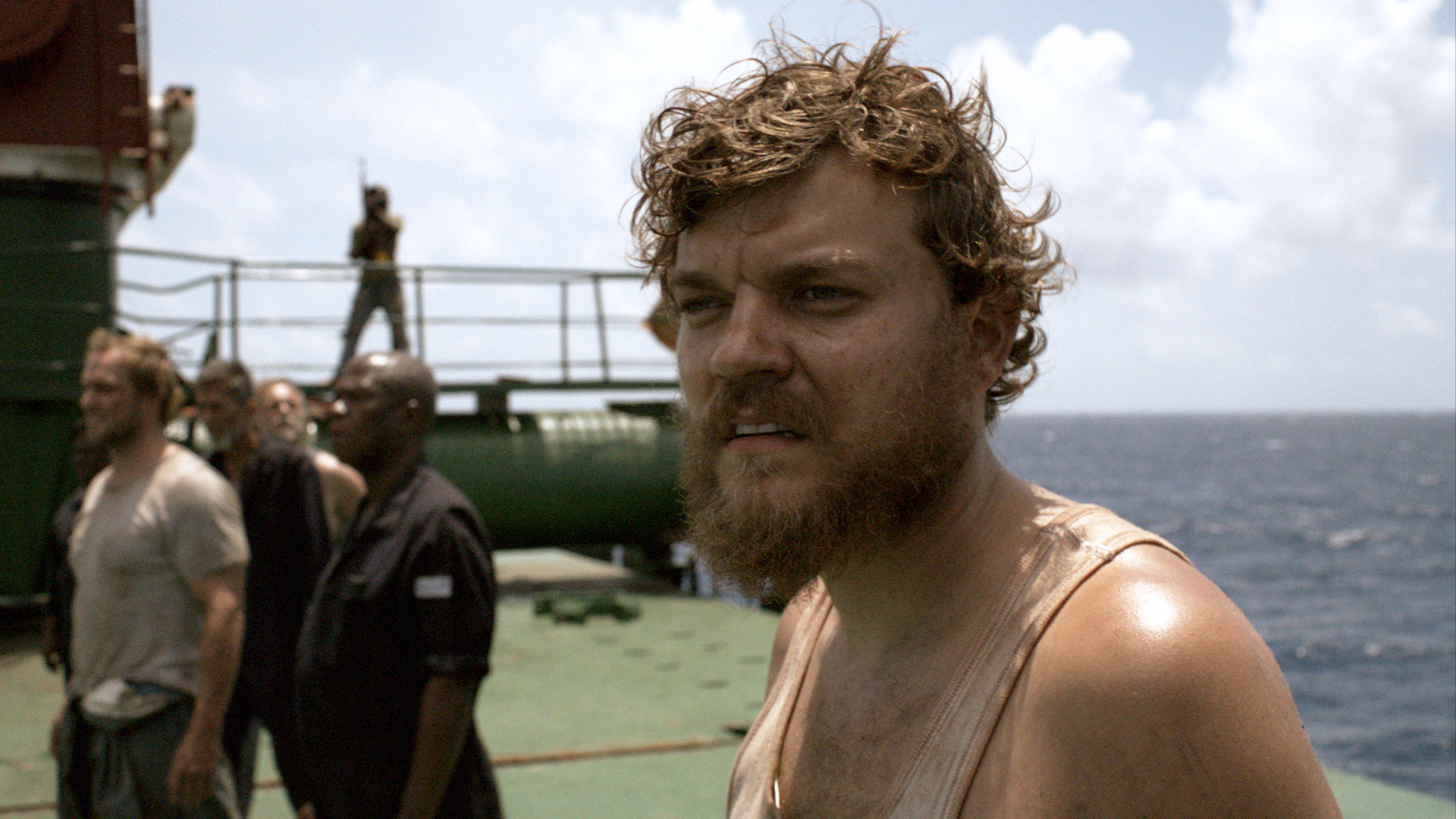
ahijacking

“A Hijacking” tells its tale as plainly as its title, without Hollywood action, without true heroes or villains, without the expected emotional button-pushing (there’s hardly even any music on the soundtrack.) What it is an authentic, suspenseful film about seemingly real people dealing with an unreal situation.

Mikkel is the cook on a ship heading for Mumbai. Peter is the CEO of the company that owns the ship. When Somali pirates storm the ship, Mikkel is appropriately terrified. Back in Denmark, Peter demands to handle the ransom negotiations himself over the objections of his counter-terrorism adviser. We’ve just seen Peter close a big deal, and he seems like the right man for the job, almost superhumanly unflappable.

But as days turn into weeks, weeks into months, the tension takes its toll on Peter. Meanwhile, back on the ship, Mikkel must learn to cope with constant terror. The Somali translator Omar is almost kindly, insisting this is a business transaction. The rifles being brandished say otherwise.

One would assume writer-director Tobias Lindholm would keep most of the movie on the  ship, since that’s where the action is. But he wrings a surprising amount of suspense out of the board room as well, often building drama through the separation between the two locations. Mikkel, trapped on the ship, can’t understand  why his boss doesn’t just pay the money. Peter’s only connection to his crew is a shaky phone connection; at one point, we hear a gunshot over the line, but don’t find out what happened until several scenes later.

The press notes say some of the actors involved in the film have lived through similar experiences; the actor who plays the counter-terrorism adviser used to be one. You can tell right away; this is a film that doesn’t use Hollywood conventions to let the viewer off easily.

Wisconsin Film Festival review: “Blancanieves”

blancanieves_pabloberger-2

“Silent film” may be an inapt description for Pablo Berger’s “Blancanieves.” Yes, the film is a beautiful homage to the silent films of the 1920s — shot in black and white in full-frame, with no spoken dialogue and only one sound effect, that of fireworks exploding in the sky.

But this film, which played Thursday on Day 1 of the Wisconsin Film Festival, is anything but quiet. It has an absolutely gorgeous score by Alfonso de Villalonga that is in many ways an equal partner to the images, highlighting and evoking the emotions of a scene or the motivations of a character. Like “The Artist,” this was an unusual but rewarding experience to see on the big screen.

“Blancanieves” literally translates into “Snow White,” and the film is a retelling of the classic fairytale, transported to 1920s Seville and the world of bullfighting. When the great matador Antonio Villarta is gored by a bull, and his pregnant wife dies during childbirth, Villarta falls into the clutches of scheming nurse Encarna (Maribel Verdu, who looks a lot like “Artist”‘s Berenice Bejo).

Encarna gets the ailing, wheelchair-bound Villarta to marry her, and he and his young daughter Carmen come to live with her. Encarna, it won’t surprise you, is a wicked stepmother, tormenting both and having designs to kill them both. Carmen escapes her clutches, but loses her memory and wanders into the path of a troupe of bullfighting dwarfs (six of them, but who’s counting?) Carmen, who the dwarves name Blancanieves “like the girl in the tale,” joins up with the dwarves, and soon discovers she has bullfighting talents of her own.

The images are sumptuous, from expressive close-ups of the main characters to frenetic quick cuts during action scenes, such as the bullfighting, which is truly scary at times. Berger plays with the “Snow White” tropes — there’s a poison apple, but Prince Charming isn’t who you might expect — and opts for less of a happy ending than we might expect.

And that score! Stirring orchestral movements during the most dramatic scenes, with flamenco guitar and handclaps to illustrate the energy and goodness of Blancanieves, while horror-movie theremin is employed for the villainous Encarna. No, “Blancanieves” isn’t subtle, but it’s an unforgettable time at the movies.

“Blancanieves” plays again at 7:45 p.m. Friday at Sundance, and a few rush tickets should be available at the door.