Instant Gratification: “This is Martin Bonner” and four other good movies to watch on Netflix Instant

this-is-martin-bonner-paul-eenhoorn

Every Tuesday, the Instant Gratification column selects five films new to Netflix Instant for your streaming pleasure. If you have a Netflix account, just click on the link to go directly to the movie. If you have any suggestions for titles you think movie fans ought to check out, let me know in comments.

Pick of the week: “This is Martin Bonner: My full review is here. Chad Hartigan’s gem of an indie drama played at this year’s Wisconsin Film Festival, and if you missed it there you absolutely have to catch up to it on Facebook. The movie charts a tentative friendship between two men, one a reserved Australian in his 50s (Paul Eenhoorn) who works as a counselor for inmates at a Reno correctional facility, the other a former inmate (Richmond Arquette) adjusting uneasily to life on the outside. The movie is patient, empathetic, and unexpectedly lyrical.

Comedy of the week: “Our Idiot Brother“: With Paul Rudd starring in “Prince Avalanche,” playing at the Marquee Theatre this Friday, it’s a good time to check out this shaggy and amiable comedy, in which Rudd plays a good-hearted but somewhat clueless hippie type who unravels the lives of his three sisters (Emily Mortimer, Elizabeth Banks and Zooey Deschanel).

Drama of the week: “Becket“: Peter O’ Toole and Richard Burton are just so good as King Henry II and Thomas of Becket, respectively, in this bravura 1964 drama charting how their friendship is tested and destroyed when Thomas is appointed Archbishop of Canterbury.

Thriller of the week: “The Road: My full review is here. Cormac McCarthy’s post-apocalyptic novel gets an appropriately bleak treatment with Viggo Mortensen and Kodi Smith-McPhee wandering a devastated landscape, hope just the faintest glimmer in the corner of the film.

Foreign film of the week: “The Women on the 6th Floor: My full review is here. A pampered French businessman finds himself drawn to the cause of the Spanish women who work as his maids in the slight but charming class comedy. The social aspects of the tale work better than the rather skeevy subplot about the rich guy romantically pursuing a young maid.


So you think you can dance (and watch a movie at the same time?)

Anne-Marsen-Girl-Walk-still

I’m pretty much a purist when it comes to talking or texting during a movie. If i see that little blue-white square of light come on in my peripheral vision, I’ll say something.

But dancing during a movie ? No problem.

I mean, it’s well-nigh impossible not to dance to the insanely fun “Girl Walk//All Day,” a feature-length “street-dancing” movie that’s playing for free at the Memorial Union Terrace on Saturday, Aug. 31 at 9:30 p.m. As a matter of fact, I’ll be mightily disappointed if a crowd of people don’t start dancing.

The movie is like one extended music video, scored to musical mixologist Girl Talk’s “All Day” mixtape, which is a mash-up of over 300 samples, most of them instantly recognizable, from the Ramones “Blitzkrieg Bop” to Missy Elliott’s “Get ur Freak On,” all gloriously combined into an extended, thumping dance-music opus.

That album provides the soundtrack to Jacob Krupnick’s “Girl Walk//All Day,” which follows a professional dancer (Anne Marsen) who, after a frustrating day at the barre, dances her way through New York City, making the sidewalks, subway turnstiles and public parks her stage, other dancers joining her from time to time, onlookers wearing expressions of bafflement and delight. It’s pure cinematic joy, kinetic and playful.

“Girl Walk” first screened as part of the Madison Museum of Contemporary Art’s Rooftop Cinema series in May 2012, and it was one of the most memorable screenings of my life. As the film played, a small crowd of audience members gathered to the side of the screen to dance along. As the film went along, you could sense people around you in the seats one by one finally hit that tipping point, where the urge to dance outweighed their inhibitions, and they’d get up to join them. (My tipping point was apparently a lot farther along than most people, but I finally worked up the nerve to join them for the last 15 minutes or so. As someone who has spent a lifetime in the seats, observing, I can’t tell you how strange, how exhilarating it was, to be up there.)

All of which is to say that “Girl Walk//All Day” is a very special thing to see live, and should be a wonderful film to see on the Terrace, on a Saturday night, with a crowd full of students on the eve of a new fall semester. Just make sure to bring comfy shoes, and leave your inhibitions at home.

What’s playing in Madison theaters, Aug. 23-29, 2013

Youre-Next-Axe-Clip

Late August is supposed to be kind of a dumping ground for movies, an in-between time straddling the summer blockbuster season and the fall awards season. Yet there are five movies opening in wide release in Madison this week, four of which I’ve reviewed and are really good. And the one I haven’t seen is getting great reviews too. Oh, well — the One Direction documentary is coming next week, so I assume things will even out.

All week

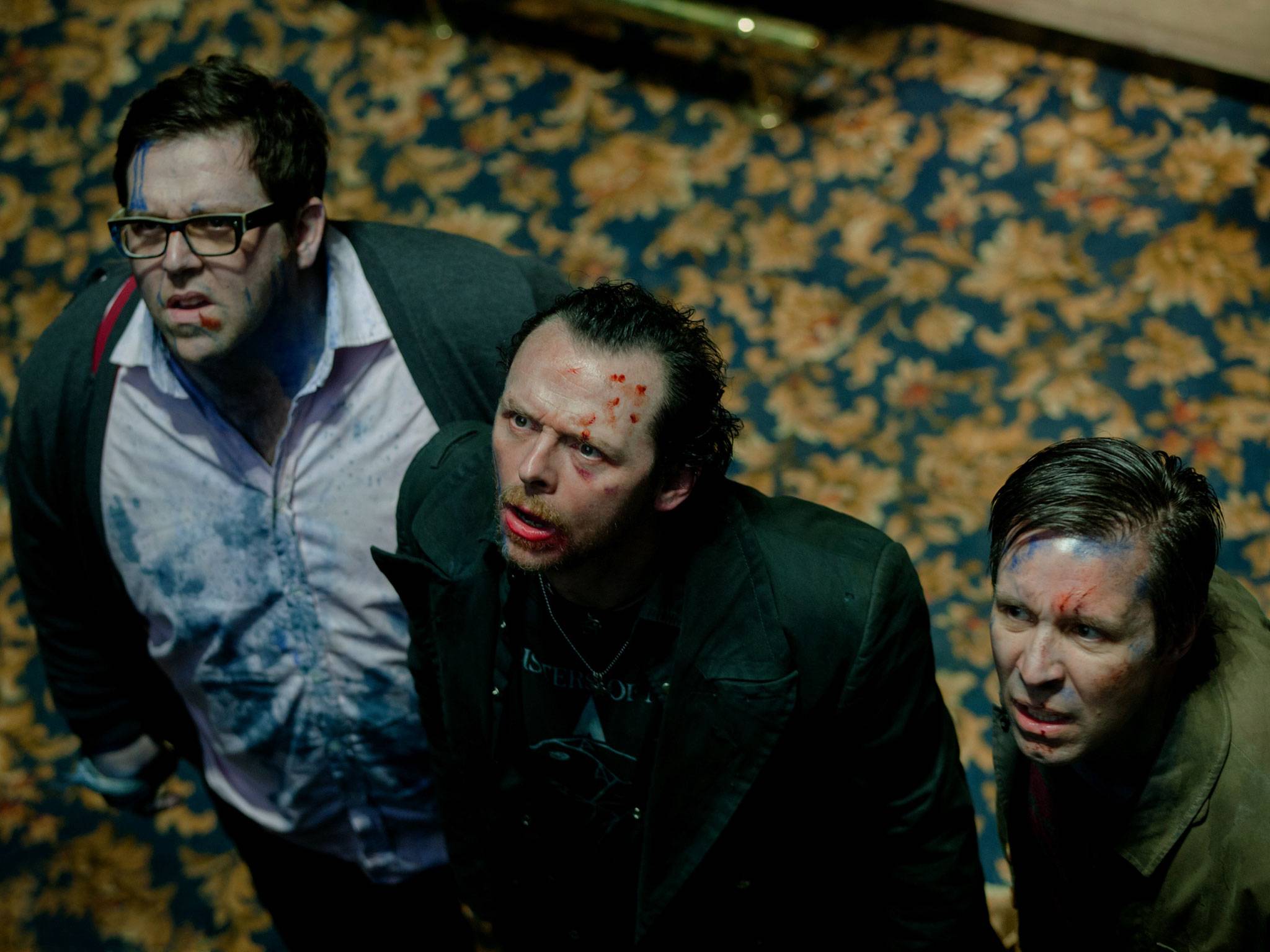
The World’s End” (Point, Eastgate, Star Cinema) — My full review is here. The “Shaun of the Dead” boys return for one (supposedly last?) go-round, this time in a science-fiction comedy about five middle-aged men who go back to their hometown for an epic pub crawl, only to find everything has changed.

Blue Jasmine” (Point, Star Cinema, Sundance) — My full review is here. Woody Allen’s best drama since “Match Point” tells of a disgraced New York socialite (Cate Blanchett) who retreats to her sister’s home in San Francisco, slowly losing her grip on reality as she attempts to start a new life.

You’re Next” (Point, Eastgate, Star Cinema) — This home-invasion horror film is getting surprisingly great reviews for its mix of indie family drama and terror, as a mysterious houseguest turns the tables on three masked killers menacing a family.

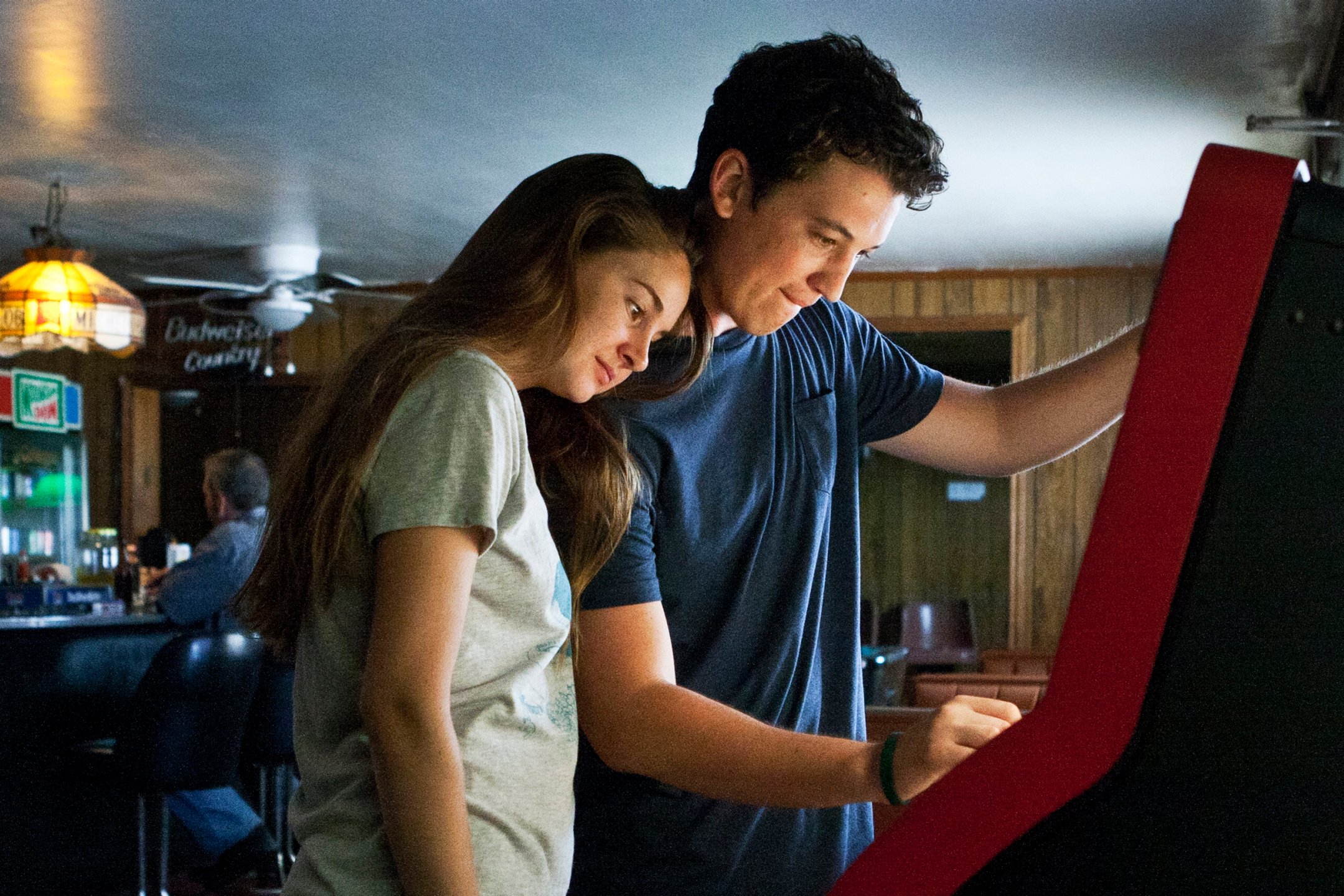
The Spectacular Now” (Sundance) — My full review is here. Two high school seniors fall in love in a movie that’s not just a great teen romance, but a great romance.

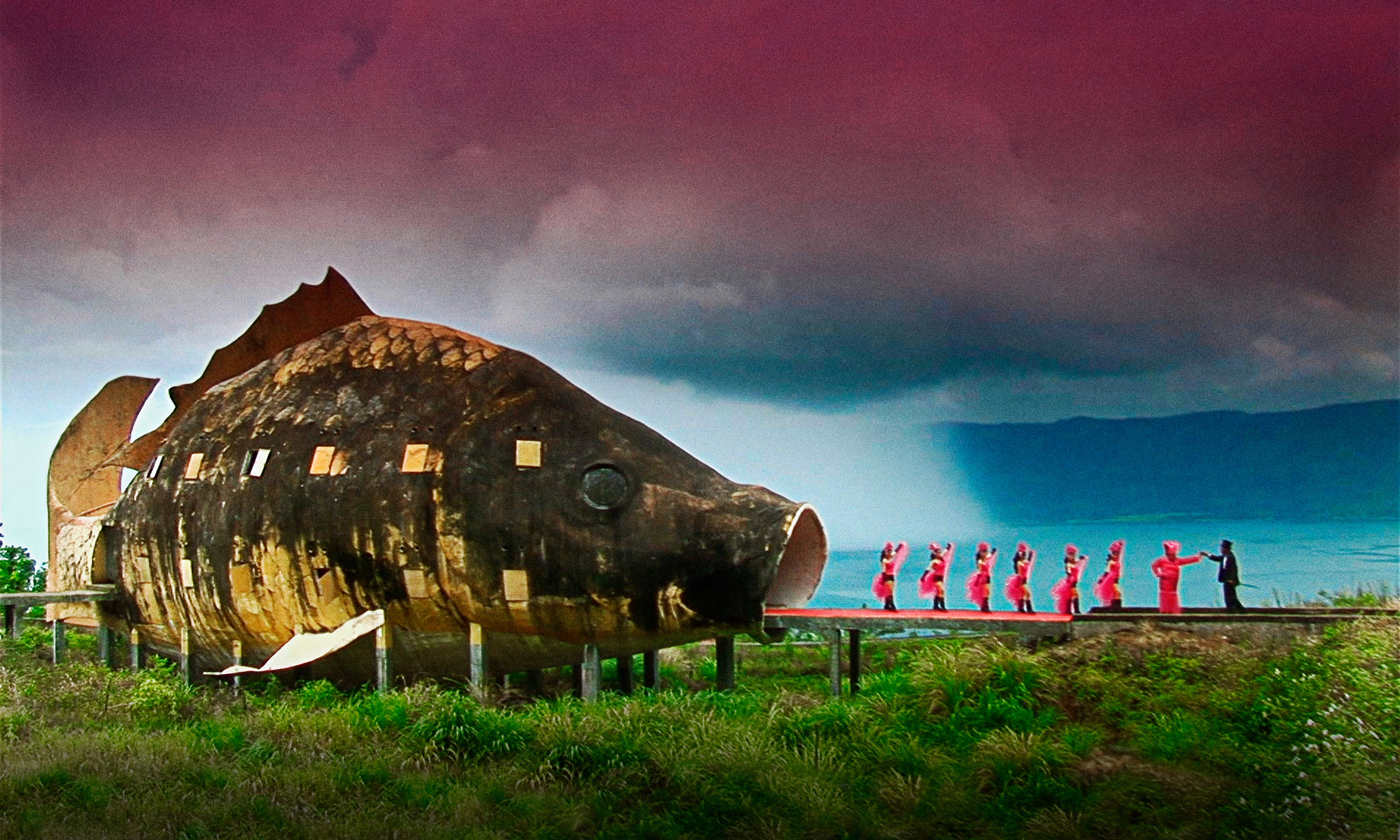
The Act of Killing” (Sundance) — My full review is here. In this strange and disturbing documentary, men who took part in mass murders during the Indonesian coup of 1966 proudly re-enact their crimes as if they were starring in their favorite movies. I’ll be doing a post-show chat at Sundance after the 6:50 p.m. Tuesday screening.

Friday

The Producers” (7 p.m., Marquee Theater at Union South) — My review of the Blu-ray edition is here, but to get the full force of Mel Brooks’ cheerfully transgressive comedy, you need to see it with a crowd. FREE!

Simon of the Desert” (9:30 p.m., Madison Museum of Contemporary Art rooftop) — MMOCA is doing one last Rooftop Cinema screening for the summer in honor of its Los Grandes del Arte Moderno Mexico exhibit with this Luis Bunuel film. FREE for MMOCa members, free for everyone else.

Monday

Total Recall” (9:30 p.m., UW Memorial Union Terrace) — Arnold Schwarzenegger plays a ordinary guy who discovers that his entire life is a lie,  and that he’s really a trained killer who must go to Mars to lead a revolution. It’s the “ordinary guy” part of that that I don’t buy. FREE!

Wednesday

Closed Circuit” (Point, Eastgate, Star Cinema) — Two lawyers (Eric Bana and Rebecca Hall) find themselves on either side of a terrorism case in this espionage thriller.

Pulp Fiction” (1:15 p.m. and 6:45 p.m., Sundance) — Quentin Tarantino’s eminently quotable, time-jumping crime film kicks off the next round of Sundance Classics movies.

“The World’s End”: One more round with the “Shaun of the Dead” boys

The-Worlds-End-2050284

“The World’s End” opens Friday at Point, Eastgate and Star Cinema. R, 1:49, three stars out of four.

Edgar Wright’s three films with Simon Pegg and Nick Frost has been called his “Cornetto Trilogy,” named after a popular brand of ice cream in Britain. It’s an apt title for films that are meant to be pure, sugary entertainment, whether a zombie movie parody (“Shaun of the Dead”) or action movie pastiche (“Hot Fuzz”).

But there’s a bittersweet ripple in “The World’s End,” the third and supposedly final of the films, that gives it an extra poignancy. First off, Wright holds off the fantastical elements of the movie as long as he possibly can, instead focusing on the flailing attempts of five middle-aged friends to reconnect with their younger, happier selves.

In particular, Gary King (Pegg) is a train wreck — he was the coolest guy in high school back in the boys’ hometown of Newton Haven, sporting sunglasses, a black trenchcoat and a Sisters of Mercy T-shirt.  Twenty years later, he’s a middle-aged man, still wearing those sunglasses, trench coat and T-shirt. Not as cool.

Life has passed Gary by — his friends (Nick Frost, Paddy Considine, Eddie Marsan and Frost) all have careers, families, lives. Gary has hazy memories of better days. They look at Gary with a disdainful pity, which is why, when Gary cajoles them into returning to Newton Haven for an epic 12-pub pub crawl nicknamed the Golden Mile, they reluctantly agree.

This all isn’t just prologue — it’s nearly the first half of the movie, and it’s tremendous fun to watch five top British actors ping-ponging witty lines off each other, as the pathetic depths of Gary’s life is revealed to the other four. He wants to go back to those heady teenage days, but Newton Haven has changed since they all left — nobody remembers them, and the town feels cleaner, nicer, “Starbucked.” If you’ve ever gone back to your hometown, and tried to reconcile that street map in your head with the one in front of you, you’ll know the feeling.

“World’s End” makes a canny move in flipping the usual Pegg-Frost dynamic — this time Frost is the level-headed straight man, and Pegg the manic screw-up. Add in Considine, Marsan and Freeman as middle-aged men who slowly reveal their own regrets, and Rosamund Pike as the girl at least two of them were pining for, and you already have enough for a good movie.

And then the fantastical elements kick in, which I won’t reveal even though the trailer pretty clearly does. Suffice to say that what was a mordant comedy about getting old turns into an action romp, complete with frenetic fight scenes, explosions and lots of blue goo flying about. The hilarious thing is that in the midst of all the mayhem, Gary doggedly insists on seeing the pub crawl through to the end, so as the threat grows larger and larger, the lads get drunker and drunker. Maybe not the worst plan.

The-Worlds-End-Confusion

LIkewise, Wright and Pegg’s screenplay never loses that emotional thread they started with. If “Shaun” was about the aimlessness of misspent youth, and “Fuzz” was about rebelling against the stuffiness of small-town life, “End” is about the fragility of friendship over time, and the dangers of living entirely in the past. Between these films and “Scott Pilgrim Versus the World,” Wright has become very deft at using genre conventions to illustrate the human comedy while still giving his audience a ripping good time.

“World’s End” is decidedly less bloody and more sentimental than its predecessors, suggesting a certain mellowing with age. It’s not perfect — its denouement tries to hastily cram about an hour’s worth of exposition into the last five minutes — but it never loses its cheeky charm. If this the last of the “Cornetto trilogy”, time to hoist a pint to a fun, fruitful collaboration. Cheers.

“Blue Jasmine”: A streetcar named Desire meets a train wreck named Cate

jasmine02.jpg

“Blue Jasmine” opens Friday at Point, Star Cinema and Sundance in Madison. PG-13, 1:38, four stars out of four.”

“Blue Jasmine” opens with a disgraced woman fleeing New York City for San Francisco. Yes, only Woody Allen would think a fall from grace would involve relocating from the most expensive city in American to the second-most expensive city in America.

But if Allen is outside his element shooting in San Francisco, so is his heroine Jasmine (Cate Blanchett), and the result is one of the nerviest, freshest films he’s made in a long time. Whereas some of Allen’s films seemed frozen in time (last year’s “To Rome With Love” could have been made any time in the last 50 years), this one feels rooted in the here and now, in the anxieties of the class struggle and the unmooring of social and financial institutions.

Jasmine was the wife of a smooth-talking financier (Alec Baldwin at his oiliest) who turns out to have been a Bernie Madoff-style fraud. Having ripped off all of their friends, Jasmine is forced to flee to San Francisco and her adoptive sister Ginger (Sally Hawkins). Who he also ripped off, but at least she’s family and can’t turn Jasmine away.

The scandal has deeply rattled Jasmine, who probably already had emotional issues, but kept them safely cushioned in the cocoon of wealth and privilege. Alone and exposed, crammed into her sister’s apartment with noisy kids and a hotheated suitor named Chile (Bobby Cannavale), Jasmine is slowly losing her grip. Sometimes, she’s determined to make a new life for herself, taking a job as a dentist’s receptionist and studying to be a interior designer. But she’s fragile, brittle, and the tiniest setback sends her off, prattling on about her old life as if she was still at a charity ball in Manhattan. But her rich friends are ghosts now, haunting her with memories of the life she lost.

Blue-Jasmine-9-Cate-Blanchett-and-Sally-Hawkins

Blanchett is flat-out amazing as Jasmine, a woman of exquisite culture and breeding on the outside, a bottomless well of nervous need inside. At times, buffeted by the rigors of ordinary life, she seems almost catatonic, her big blue eyes searching desperately for escape. We should hate this woman, but we pity her. At one point, she meets an attractive diplomat (Peter Sarsgaard) who offers her the chance to rejoin the ruling class. For her own sanity, we start to wish that would happen, even as we recognize her capacity for self-sabotage.

This is one of those Allen films like “Midnight in Paris” where everything just clicks, from his confident staging and seamless uses of flashbacks to his impeccable casting. Hawkins gives her sister character a kind of brassy nobility, and Andrew “Dice” Clay is effective as her ex-husband, who is a voice of conscience in the film. That’s right: Andrew “Dice” Clay, voice of conscience.

The resemblance to “A Streetcar Named Desire” is intentional, but also inessential, as “Blue Jasmine” charts its own course through post-meltdown America, and how the rich really are so different than you and me. Or, at least, you can hide the differences with enough money.

“The Spectacular Now”: Two American kids doing the best they can

spectacular

“The Spectacular Now” opens Friday at Sundance Cinemas. 1:35, PG-13, three and a half stars out of four.

About once a year, if we’re lucky, we get a great teen movie, one that eloquently, honestly tells adolescence like it is. Last year it was “The Perks of Being a Wallflower,” and this year it’s James Ponsoldt’s wonderful and soulful “The Spectacular Now.”

The movie is a love story between small-town seniors Sutter (Miles Teller) and Aimee (Shailene Woodley), and the first thing the film gets right is to make them complete, complex human beings before each other even enters the picture. Sutter is a good-time underachiever, strutting down the halls with a kind word for everyone and a flash in his back pocket. He’s like a Manic Pixie Dream Boy, someone who lives to enjoy life and solve other people’s problems so he doesn’t have to face his own, especially an absent dad.

Aimee is the opposite — a brilliant student, naive in some ways but wiser than her peers in others, she’s going places, but it’s not clear whether she’ll enjoy herself when she gets there. Their meet-cute comes when Sutter passes out on her lawn. He’s medicating his sorrows after a bad break-up with the popular Cassidy (Brie Larson), and could use the company of a nice, non-threatening girl like Aimee. Their relationship moves slowly, cautiously, with Sutter always having one eye on Cassidy at parties, Aimee too thrilled at having his other eye to complain. Writers Scott Neustadter and Michael H. Weber wrote “(500) Days of Summer” for Madison native Marc Webb, so they know how to chart the arc of a love affair, how it will stall and then lurch forward, and how both people bring the sum of their experiences and fears with them.

When Sutter and Aimee finally, fully commit, it’s like a heady rush of adrenaline has entered the movie’s bloodstream — not movie-love magic, but some kind of heightened reality. That feeling is perfectly encapsulated in a scene where, at window overlooking the football field, the pair discuss their future together, and the golden reflection in the glass looks like some kind of shimmering halo behind them. Damn.

the-spectacular-now

Of course, the golden glow can’t last, and the film takes a darker turn in the last half hour, and Sutter starts wrestling with his feelings of worthlessness, that he’s destined to become his deadbeat dad (Kyle Chandler), the friendliest drunk in the bar. Interesting that Ponsoldt’s last feature, “Smashed,” also featured a likable protagonist coming to terms with her boozing, although that film dealt more with the hard road of sobriety. If “(500) Days” was perhaps a bit too clever (and there’s a touch of that in the college admissions letter Sutter is writing that frames the movie), Ponsoldt scuffs it up with the messiness uncertainty of real life.

Teller and Woodley have vaguely familiar faces (he was the best friend in the “Footloose” remake, she was the oldest daughter in “The Descendants”), and both bring such truth and complexity to their roles. You just care for them, instinctively even as you recognize their capacity to wound each other.

The film has been compared to teen movies of the ’80s, especially “Say Anything,” and I suppose there’s something of the John Cusack-Ione Skye dynamic at work here. But I think the fact that these lovers are teenagers is a bit of a distraction. This is a relationship every bit as exhilarating and thorny as any adult relationship we’ll see on a movie screen, and the movie deals with it earnestly and respectfully.

That’s not nostalgia for an earlier era of filmmaking — that’s just great contemporary filmmaking, spectacular and now.

“Prince Avalanche” leads landslide of new films in UW Cinematheque fall season

PrinceAvalanche2_0

Without skipping a week from its summer-long tribute to Roger Ebert (which concludes with Ingmar Bergman’s “Smiles of a Summer Night” at 7 p.m. Thursday and Mel Brooks’ “The Producers” at 7 p.m. Friday), the UW Cinematheque’s free on-campus film series jumps right into its fall series next week.

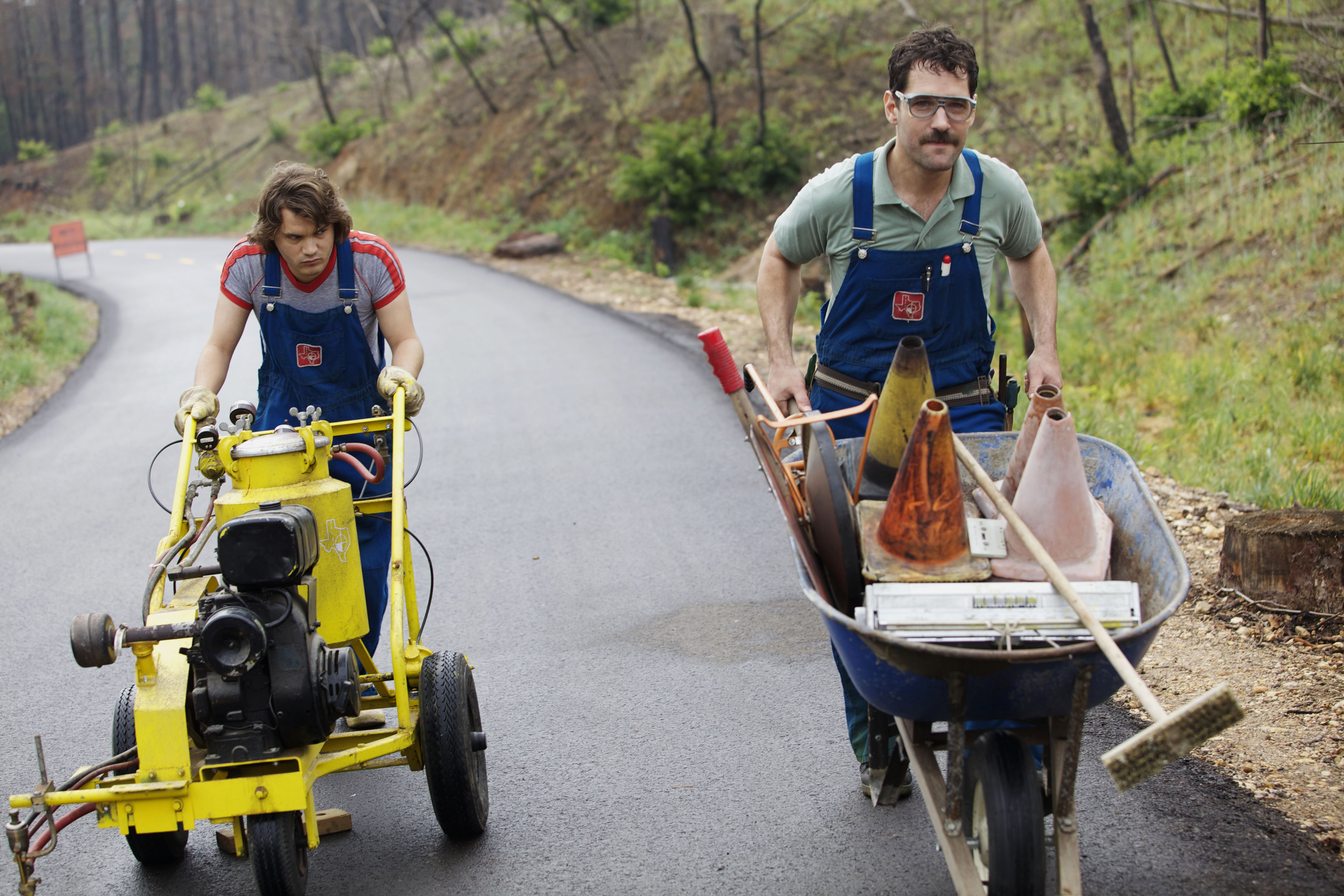
The fall schedule begins with the much-anticipated Madison premiere of “Prince Avalanche” at 7 p.m. Friday, Aug. 30 at 4070 Vilas Hall. The film, a comedy-drama featuring Paul Rudd and Emile Hirsch as two lonely men painting the yellow stripes on a remote stretch of highway, has two indirect connections to the Wisconsin Film Festival. Director David Gordon Green brought his first film, “George Washington,” to the festival in 2001, and the 2013 festival featured “Either Way,” the Icelandic comedy that “Prince” is based on.

On Saturday, Aug. 31 at 7 p.m., Cinematheque will begin a fantastic series of crime films by French director Jean-Pierre Melville, beginning with “Bob Le Flambeur,” which was remade into “The Good Thief” with Nick Nolte about a decade ago. The Melville series will also include his masterful French resistance drama “Army of Shadows” (Sept. 14) and stylish heist film “Le Cercle Rouge” (Sept. 21).

I’ll be digging much deeper into the schedule as the season gets underway, but here’s a taste of what’s in store. Remember that all films are free and screen at 4070 Vilas Hall unless otherwise noted. Visit cinema.wisc.edu for more information.

Madison premieres: In addition to “Prince Avalanche,” Cinematheque will host the Madison premiere of Johnnie To’s new gangster drama “Drug War” (just named “Essential Cinema” by The Dissolve.com) on Sept. 27, Joe Swanberg’s acclaimed comedy “Drinking Buddies” on Oct. 3, and filmmaker Jill Soloway will be in person to present her debut feature “Afternoon Delight” on Nov. 14.

International horror: The full range of global chills and thrills will be represented in the weeks leading up to Halloween, from the J-horror of “Kwaidan” (Oct. 4) to the creepy French horror film “Eyes Without a Face” (Oct. 11) to the Italian giallo of Dario Fulci’s “The Beyond” (Oct. 25).

Werner Herzog tribute: The Cinematheque presents four films by the legendary Herzog, including “Stroszek” (Oct. 19), which was filmed in Wisconsin, and “Encounters at the End of the World” (Oct. 26), a documentary filmed in Antarctica.

Cinemascope at 60: “The Sunday Cinematheque at the Chazen” series has been a huge hit, and this salute to anamorphic widescreen classics looks to continue that trend, with 13 films ranging from Jean-Luc Godard’s “Contempt” (Sept. 8) to Max Ophuls’ sublime “Lola Montes” (Oct. 13) to Akira Kurosawa’s “The Hidden Fortress” (Nov. 24.)

Marquee Mondays: The Cinematheque takes over the Marquee Theater at Union South one Monday a month to present less critically acclaimed but undeniably entertaining  films, including the nutty “An American Hippie in Israel” (Oct. 21) and the Hammer Films heist thriller “Cash on Demand” (Dec. 10).

“The Act of Killing”: Vicious murderers are ready for their close-up

actofkilling

“The Act of Killing” opens Friday at Sundance Cinemas. Not rated, 1:56, three and a half stars out of four. I’ll be doing a post-show discussion in Sundance’s Overflow Bar following the 6:50 p.m. Tuesday, Aug. 27 screening.

Most documentaries about brutal regimes tell their story from the perspective of the victims, their tales of tragedy finally surfacing to the light decades later after the regime has been toppled. Filmmaker Joshua Oppenheimer didn’t have that luxury while making his film about the coup in Indonesia in 1966, when over a million leftists, college students, union workers and others were murdered by government-sanctioned thugs. That regime is still in power, those thugs are still strutting around free. For victims or their families to speak out now would be a death sentence.

So Oppenheimer turns his cameras on the perpetrators in “The Act of Killing,” and the result is one of the strangest and most haunting documentaries I’ve ever seen. The killers, now grandfatherly types in their 50s and 60s, reminisce fondly about their youth spent torturing and murdering innocents, the violence often inspired by what they saw in American movies. Most don’t feel any remorse, because the official record in Indonesia is that they were heroes, stamping out a Communist threat to the nation. And everyone is too scared to say otherwise. “The winner decides what is ‘war crimes’,” one killer says. “And I’m the winner.”

Drawing off that love of movies, Oppenheimer invites the killers to recreate their crimes for the camera in any manner they wish, using sets, costumes, even stage blood. The “re-enactments” are positively surreal, as we the men dress up as movie gangsters in a noir film, or dance under a waterfall in a bizarre music video, the ghosts of the murdered coming forward to thank the killers and present them with medals. It’s so ridiculous that it’s almost laughable, but the laughs stick in your throat.

the-act-of-killing

It’s madness. By turning murder into performance, “The Act of Killing” dramatizes the perverted hearts of these men, the twisted mental leaps they needed to feel okay, and even proud, of what they’ve done. It’s a collective madness that infects the entire country — at one point, one of the men likens his country to a nation of “soap opera stars,” all playing the part of patriotic, happy citizens, none of them believing it.

The one possible exception is Anwar Congo, a dapper man in mustard-yellow suits who has admitted to have killed hundreds of people. He cautiously reveals that his dreams are haunted by the ghosts of the people he strangled, and as he performs in his films, with extras playing the part of screaming women and children, it starts to cut too close to home. If there is a glimmer of hope in “The Act of Killing,” it is in Congo’s slowly growing realization of the horror of what he’s done.

His unease isn’t enough, not nearly enough, to atone for the suffering he caused. But as he revisits a rooftop where he killed his victims, and is suddenly seized by a bout of uncontrollable retching, we’re grateful for this tiny measure of justice. This is an unforgettable film.

Blu-ray review: “The Devil’s Backbone: The Criterion Collection”

backbone5big

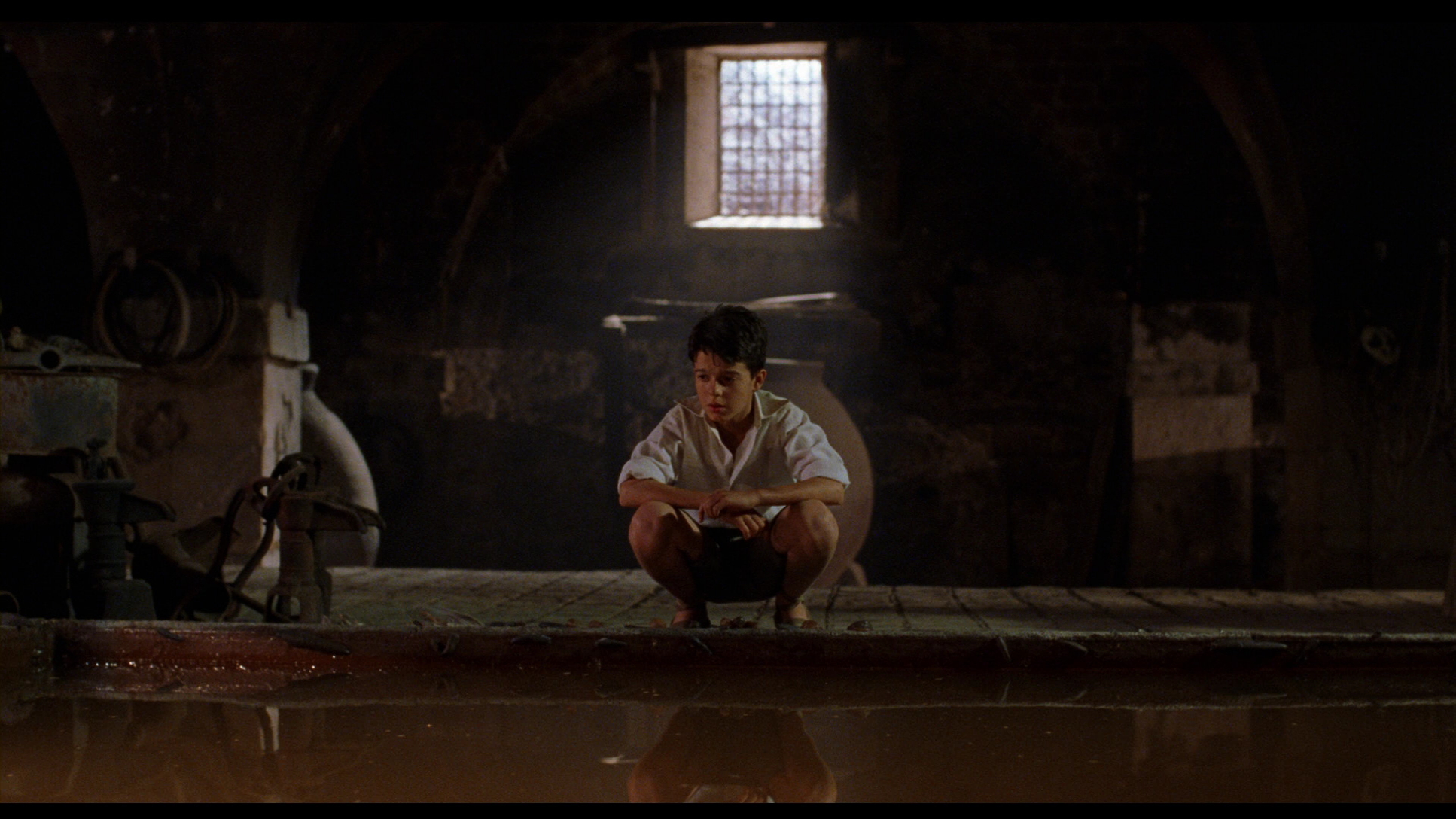
The new Criterion Collection edition of Guillermo Del Toro’s “The Devil’s Backbone” is one of my favorite Blu-ray releases in a while, because it does exactly what you want a “special edition” to do. It takes a great film and opens it up for the viewer, letting you delve into its influences and its secrets. There’s a BD-ROM “Director’s Notebook” feature that allows the viewer to “page” through Del Toro’s notebook of sketches and outlines for the film, and that spirit, clearly overseen by an enthusiastic Del Toro himself, carries through to the entire project.

The film is one of Del Toro’s best, worlds away from the sturm and drang of this summer’s “Pacific Rim,” but just as concerned with the elemental struggle of good and evil. This time, though, the setting is a remote orphanage in 1938, during the Spanish Civil War. An unexploded bomb is embedded in the courtyard, but the children and caretakers have learned to ignore it and go about their business. A new boy, Carlos, comes to the orphanage, and starts peeling back the orphanage’s secrets, which include a sadistic caretaker and a ghostly boy, his head cracked like that of a porcelain doll, wandering at night.

“The Devil’s Backbone” is a ghost story, full of shudders and shocks. It’s also a horror film, but the horror doesn’t necessarily overlap with the supernatural elements. Instead, the horror comes in the cruelty committed by one person onto another (personified by the psychopathic, handsome caretaker), and the fear, especially from a child’s perspective, of living in a country being ripped apart by violence. There is a deep sadness underlying “Devil’s Backbone” — the loss of innocence, the folly of resistance, the pain of regret, the need for compassion. Del Toro says in one of the Blu-ray extras that the film is meant to “rhyme” thematically with his more famous “Pan’s Labyrinth,” which also mixed unearthly wonder with earthly cruelty.

The DVD includes a chatty and thoughtful commentary track from Del Toro, of course, but you can also enable a feature that allows you to see thumbnail sketches Del Toro drew of particiular shots and images while the film is playing. The supplements include extensive interviews with Del Toro and other cast and crew, as well as a very interesting interview with a Spanish Civil War historian that puts the action of “Backbone” into historical context.

I’m glad Del Toro gets the clearance to make big, fun movies like “Pacific Rim,” but I hope he always ping-pongs between blockbusters and more personal projects like “The Devil’s Backbone.” I can’t imagine another filmmaker making a movie like this, and the Criterion edition shows how that passion infused every frame of the film.

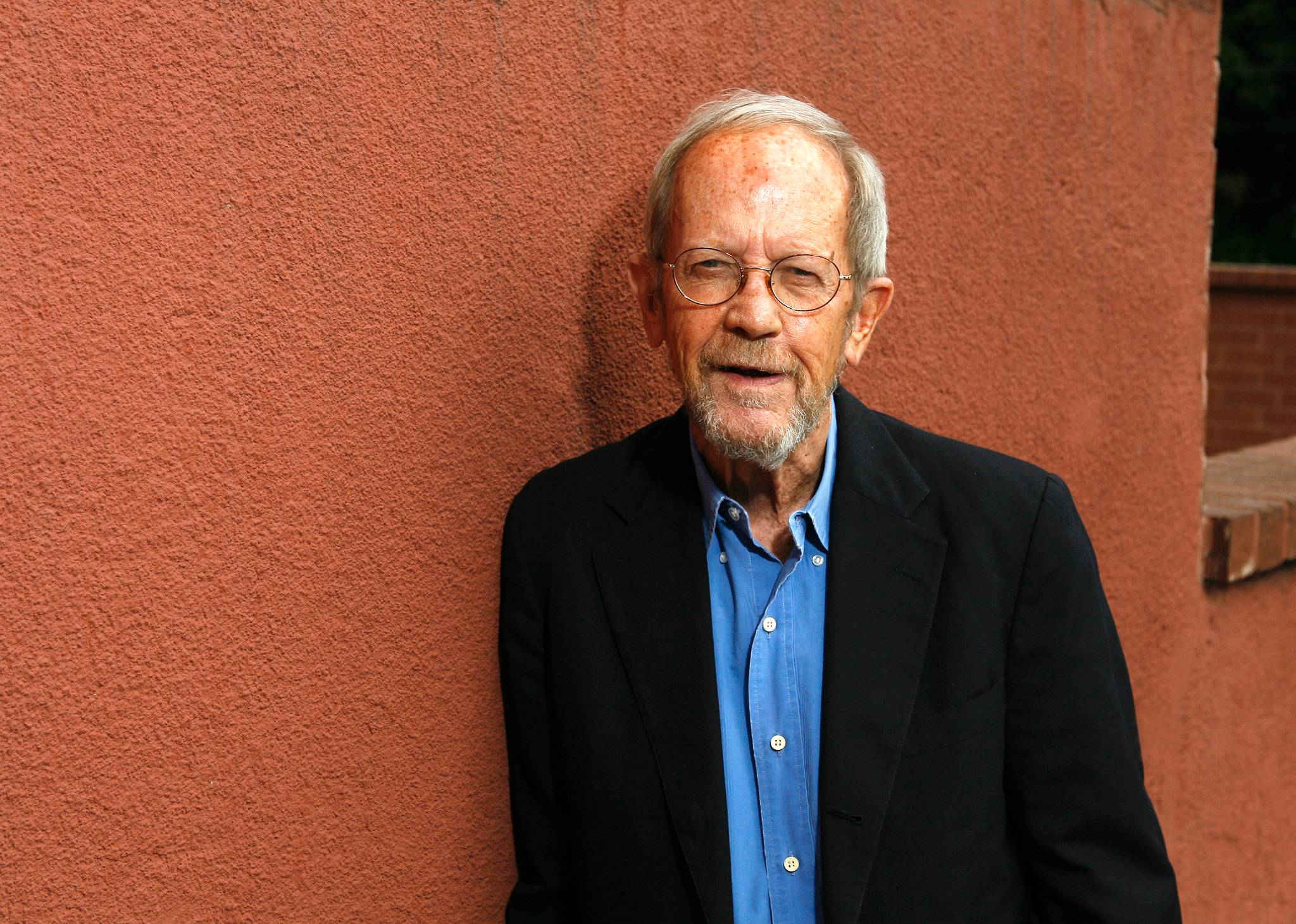
What Elmore Leonard taught us about getting old

Elmore-Leonard

The Internet is full of great writing about the passing of Elmore Leonard — not as great as he would have written of course, but those who salute him acknowledge that up front. A career of over 40 books in nearly 60 years, some of which sparked wonderful movies and television shows (and some didn’t). There’s lots to salute.

So this is one small corner of Leonard’s genius, but what struck me as different about his characters than about those of most crime novelists — most novelists, actually — is their capacity to grow and change, and not necessarily in a good way. Leonard would revisit characters from previous books, and he wrote a couple of later novels that could be considered proper sequels, such as “Be Cool” and “Road Dogs.” But what I found fascinating is when a character would change on us from book to book, and what that said about the way Leonard saw his fellow man.

So here’s three things Elmore Leonard taught us through his books about getting old:

1. People change. In 1978, Leonard wrote a book called “The Switch,” in which two ex-cons, Ordell Robbie and Louis Gara, kidnap the wife of a Detroit auto magnate. Only the husband is a bastard who doesn’t want to pay, and the kidnappers end up colluding with the housewife to rip the guy off for millions. Robbie and Gara are classic antiheroes.

In 1992, Leonard brought them back for “Rum Punch,” which became the basis for Quentin Tarantino’s “Jackie Brown,” with Samuel L. Jackson as Ordell and Robert De Niro as Louis. Only now, they’ve changed. Ordell used his loot to build a drug empire, and is a criminal as ruthless as they come. Meanwhile, Louis frittered his share away, knocked around, and never made anything of himself. Success made Ordell hard, failure made Louis soft

They were the heroes of one Elmore Leonard novel, and now they’re the villains  of another. I can’t think of another writer who pulled that off. I still remember the shock of that, getting the chance to revisit a pair of fondly-remembered characters (“Ordell and Louis are back!” read the back cover blurb) only to have seen them changed, for the worse.  What happened to them says a lot, I think, about how Leonard viewed people, that they don’t stay the same, but they get changed by circumstances, especially as they get older and life takes them down different paths.

2. Be careful what you wish for. Leonard wrote two books that featured Miami bookmaker Harry Amo, 1993’s “Pronto” and 1995’s “Riding the Rap.” It’s “Pronto” that I remember best, especially Amo, who is near retirement age, planning to get out of the bookmaking game and retire to a villa in Italy. It’s what he’s dreamed about all his life, since he was a soldier there in World War II. Finally, he makes it to his dream retirement villa — and he hates it. The place is drafty, it’s lonely, he misses everything about his old, busy life in Miami.

You could see Harry’s story as a sly wink at the audience (Leonard was about the same age as Harry at the time) about the prospects of Leonard retiring himself. Retirement, resting, wasn’t for guys like him and Harry. It was the act of doing, of living your life, that was the real reward for life itself, the thing that really gave pleasure, not some mythical castle in the sky that, in the end, turned out to be dull and drafty.

3. Do what you love, right now, and keep doing it until further notice. And that’s the final lesson, taken of course from Leonard’s life itself. He started writing in his 20s, and he was good. Then he kept writing and he got even better. Then he got great. Then he got famous, but he never chased fame, and never let that distract him from being great. And then he never stopped being great until his time was up.

Leonard’s fiction was full of guys hungry for one big score, one big payday that would change their lives, make them happy. Usually they messed it up, sometimes they died. Sometimes, in the case of Harry or Louis, they got what they wanted and it didn’t change anything. Sometimes it made things worse. Leonard saw it all with an amused eye, refusing to judge, as he merrily kept on doing the thing that he loved to do, the thing that he was best at, for 60 years.

Now that’s a big payday. Rest in peace, Dutch.