What’s playing in Madison theaters, Oct. 4-9


RUNNER, RUNNER

All week

Gravity” (Point, Eastgate, Star Cinema, Sundance) – My full review is here. I’ve been looking forward to Alfonso Cuaron’s outer-space thriller for months,  and it did not disappoint.

Runner Runner” (Point, Eastgate, Star Cinema) – The screenwriters of “Rounders” return with another tale of poker, this time the world of offshore online gambling. Looks like they’re hand is a lot weaker this time.

Continue reading

“Drug War”: Popeye Doyle goes to mainland China

Drug-War

“Drug War” screens at 7 p.m. Friday at the UW-Cinematheque screening room, 4070 Vilas Hall, 821 University Ave. R, 1:47, three and a half stars out of four. FREE!

Johnnie To’s “Drug War” opens with a man, burned and frothing at the mouth, losing control of his car and crashing through the front door of the store. We don’t know who he is or what’s wrong with him. Get used to that feeling.

To’s exhilarating and complicated police drama keeps the audiences at least a step behind on its plotting, showing us a detail or introducing a character and then only later explaining what it means. It’s an unusual and engrossing plotting technique in such a well-worn genre, but it mirrors the feeling of uncertainty of the film’s heroes, a crack team of police officers trying to break up a meth ring. They, like us, don’t know what’s waiting for them.

That injured man turns out to be Timmy Choi (Louis Koo), who was injured at an explosion in his meth lab that killed his wife and brothers. Manufacturing drugs is a death sentence in mainland China, and Choi is eager to avoid a lethal injection. So he agrees to turn snitch, leading the relentless Captain Zhang (Sun Honglei) and his team against the cartel he’s been cooking for.

At first, it seems like the police are more than equal to the challenge, and To stages elaborate setpieces that show off their cunning and preparation. In one bravura scene similar to the Dubai sequence in “Mission Impossible: Ghost Protocol,” Zhang intercepts a meeting between a supplier and a dealer, impersonating each party to the other one. In another sequence, we see a complicated drop at a traffic light, and a raid on a smuggler’s den that goes off flawlessly, climbing up the ladder to the secretive drug kingpin they know only as “Uncle Bill.”

But To keeps introducing bits of seemingly random visual information that puts us on guard a little bit. Specifically, the same characters keep showing up in the background — a bearded old man, a well-dressed couple — seeming to watch the action from afar. Whose side are they on? Are they on a side? All is eventually revealed, but their presence underscores that there’s a lot more going on than Captain Zhang and his team are yet aware of.

To is known for his spectacularly staged gunfights, and “Drug War” ends on a dilly, a protracted gun battle between cops and criminals that starts out in front of an elementary school and spills out onto a nearby highway. The action is crisply staged, but shocking in how quickly things spiral out of hand for Zhang and his team. This is a grittier sort of action film than I’m used to seeing from To, illustrated by the anonymous highways and streets where the violence takes place, often in pitiless broad daylight. Fans of Hong Kong action will find much to like here, as will fans of dogged police procedurals like “The French Connection.”

“In A World . . .”: Sisters are enunciating it for themselves

inaworld

“In a World . . .” opens Friday at Sundance Cinemas. R, 1:33, three and a half stars out of four.

“Lean in,” Facebook executive Sheryl Sandberg famously advised women this year. To which Lake Bell would add, “Speak up. And not with a sexy-baby voice either.”

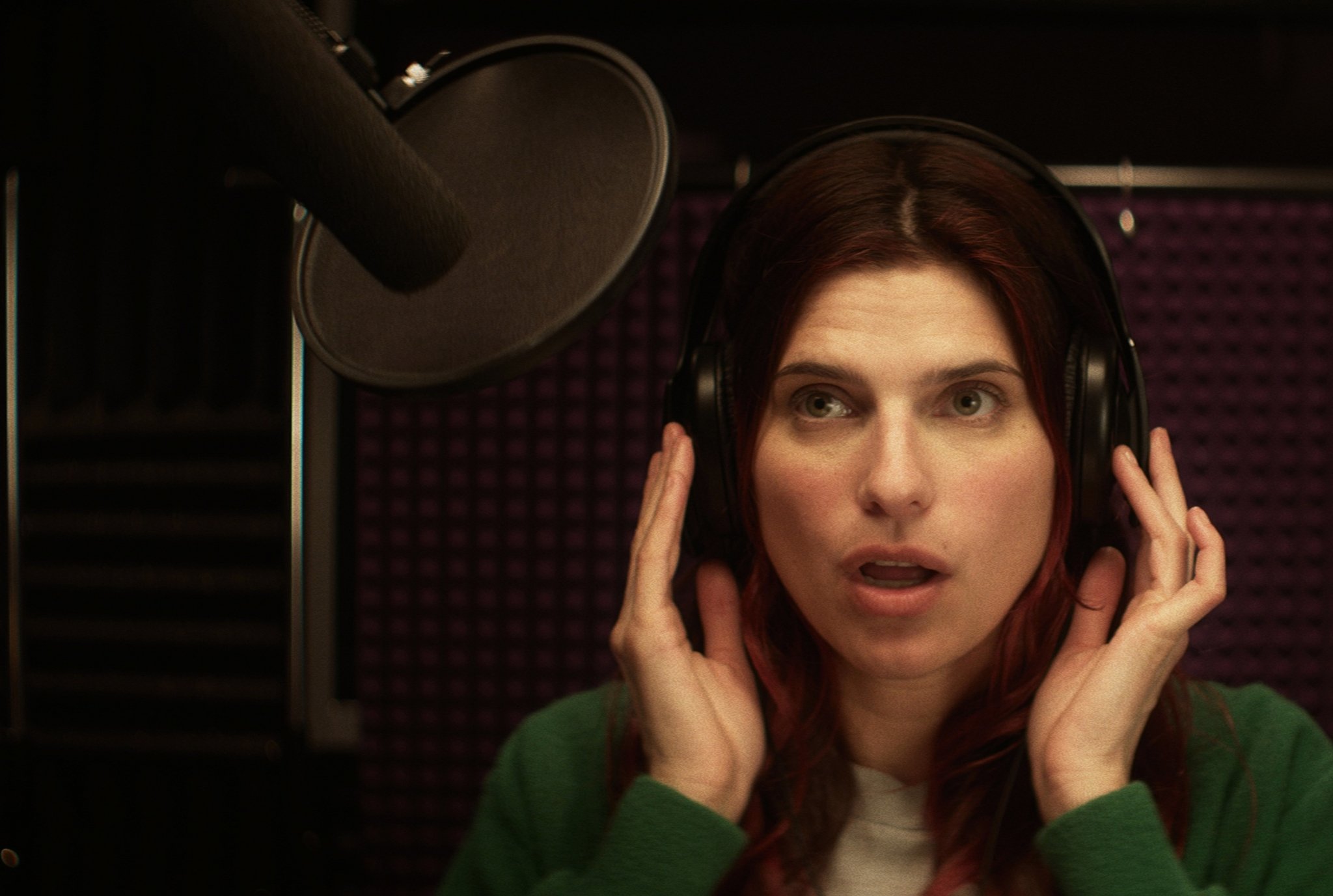
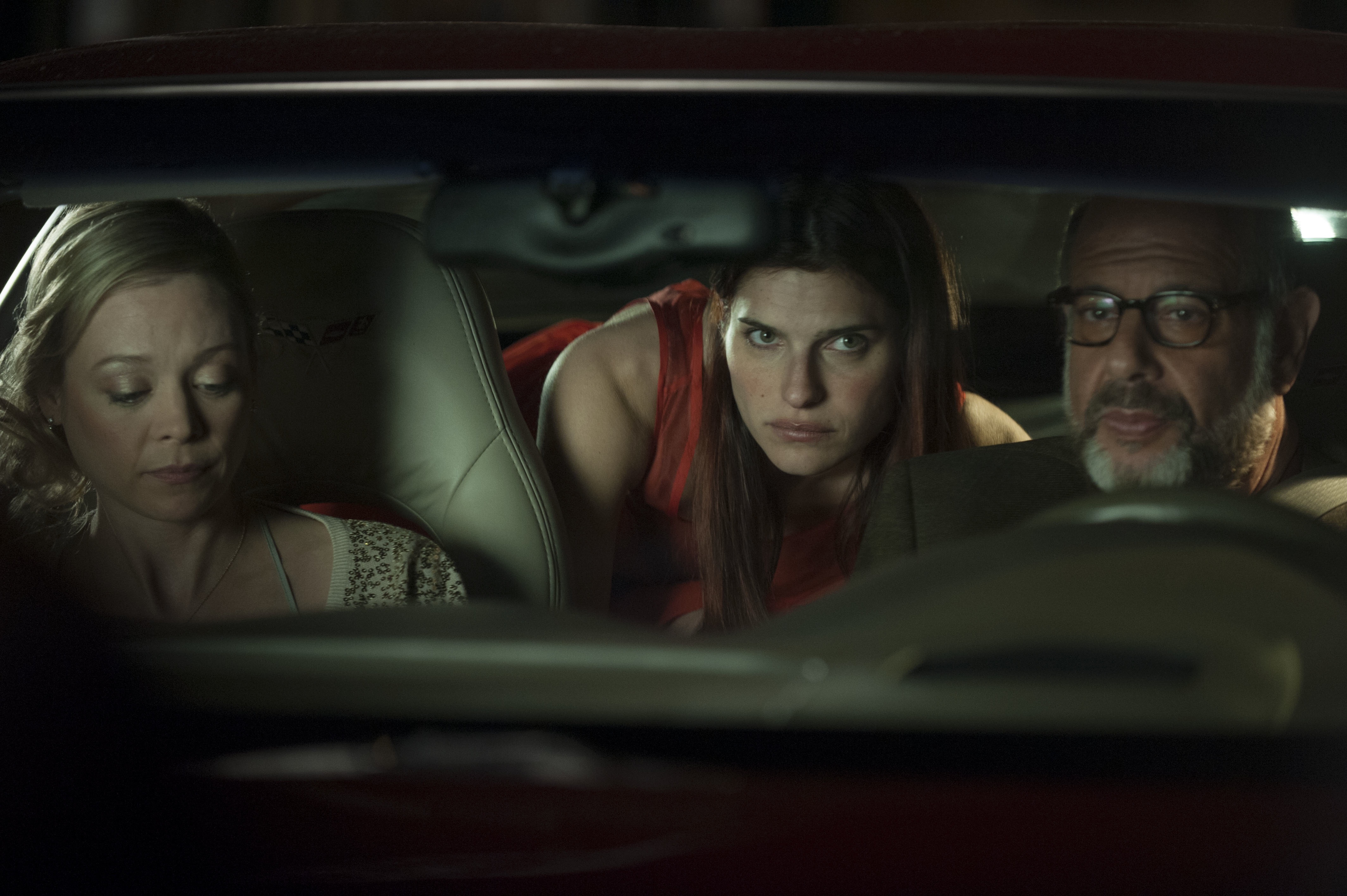
Bell’s sparkling debut as a writer-director, “In A World . . .” is a both a riotously funny screwball comedy set in post-production Hollywood and a pointed takedown of male chauvinism and the marginalizing of women. In one film, Bell, previously best known as an actress, has established herself firmly as a filmmaker with a distinctive, um, voice.

The “world” that Carol (Bell) lives in is the one of voiceover acting, in particular those voice-of-God narrators who used to be ubiquitous in movie trailers. Carol’s father Sam Sotto (Fred Melamed) used to be one of the giants of the industry, but also came second to the real-life Don LaFontaine, famous for the “in a world . . .” line, which he often seemed to be intoning from the bottom of a well.

LaFontaine really passed away in 2008, and the film suggests that his silence left a vacuum in Hollywood that every other voiceover artist wanted to fill. A job doing the trailer for a blockbuster “Hunger Games”-like “quadrilogy” has come up, and the studio wants to revive the “In a world . . .” line with a new voiceover artist. Sam, resting his golden pipes in retirement with a groupie second wife (Alexandra Holden) is considering getting back in the biz, but LaFontaine’s heir apparent seems to be the mellifluous Gustav Turner (Ken Marino).

Except, Carol wonders, why can’t a woman do movie voiceovers? Why do so many of the women around her speak in high-pitched baby doll voices, infantilized by the culture? Having been relegated to doing voice coaching for actresses (you try and teach Eva Longoria how to do a Cockney accent), she starts pursuing the quadrilogy gig, and runs into a wave of chauvinism. Especially from her father, a master of dulcet-toned mansplaining.

inaworld2

Bell is an engaging actress, and one who has a deft command of all sorts of dialects and accents, and her movie puts all her charms and talents on full display. But “In a World . . .” really sizzles in the writing, in its fast-paced dialogue, subtle feminist message and large cast of interesting characters, such as Carol’s tightly-wound sister Dani (Michaela Watkins) and her doting husband (Rob Corddry), and her lovesick sound engineer pal (Demetri Martin). There’s a lot of funny people in this movie who get to be really funny, and Bell knows just how and how much to use them, never letting one element of her sprawling story overpower the rest.

And I just love this insider’s look at the real Hollywood, far from the glitz, where engineers and editors toil behind the scenes in sound booths and editing bays, all those names you see midway through the credits. Bell also cleverly shows how the chauvinism of old Hollywood still lives, how old men with young girlfriends and fast cars still seem to get to make all the decisions.

By the end of “In a World . . .,” the film has delivered a smart and subtle message of female empowerment. reminding that the world’s a better place when hear from a wide range of voices, old and young, male and female. Bell is a filmmaker to be listened to.

I’m doing a post-show discussion after “The Act of Killing” on Aug. 27. Yeah, that should be fun.

actofkilling

I’m grateful to Sundance Cinemas for letting me host special post-show discussions after some of their Screening Room titles. It’s a chance for me and interested audiences to decamp to the Overflow Bar after the show to talk about what we just saw, whether it was the elliptical storytelling of “Upstream Color” or the social issues of “Any Day Now.”

Or, as in the case of the next Screening Room talk, genocide and the banality of evil. Yeah, that should be a laugh riot. We ought to order a pitcher.

(Caveat: I hadn’t actually seen the documentary “The Act of Killing” when I chose it as one of the movies I wanted to do a discussion about, having heard it was a thought-provoking film. That was correct.)

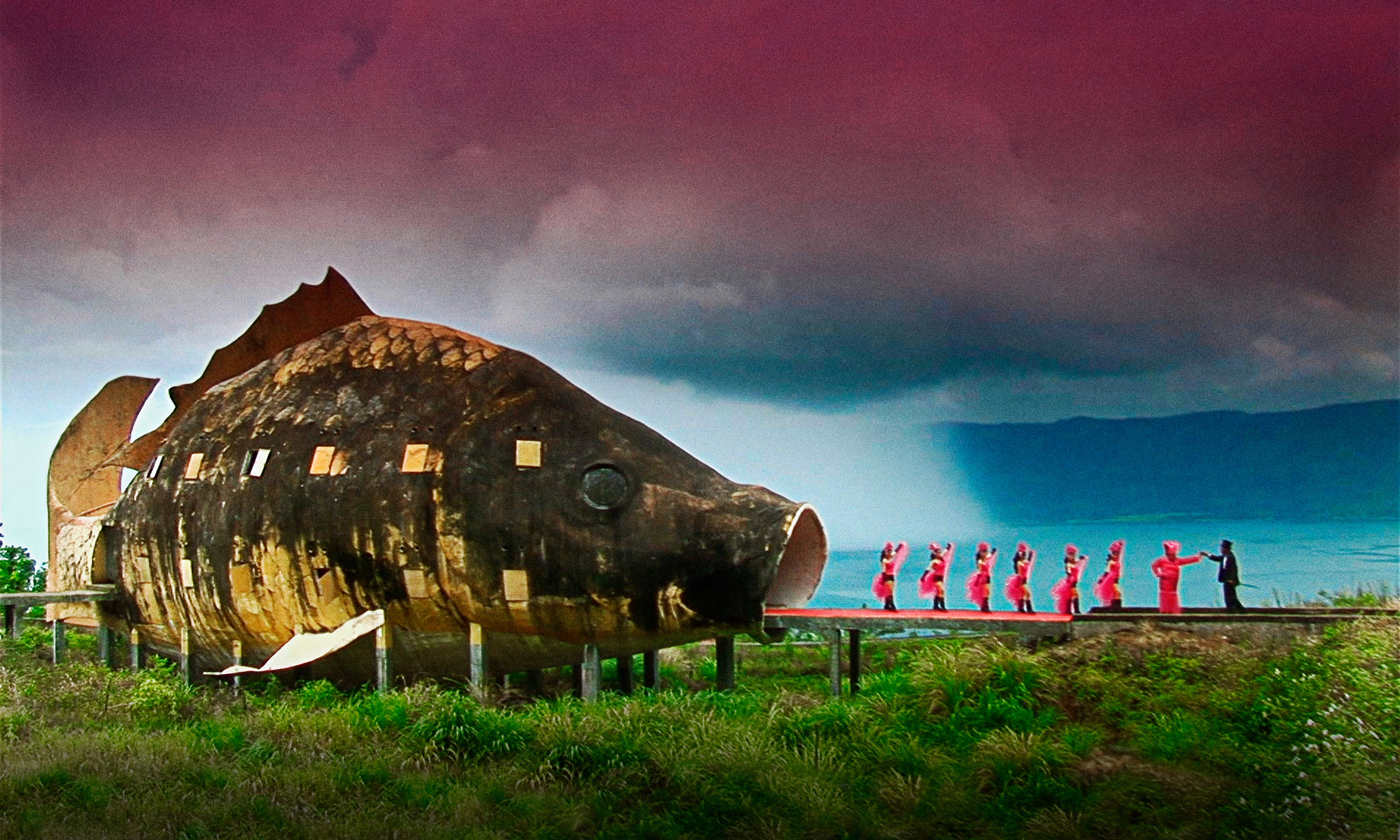
It also is one tough sit, a film that transfixes the viewer and haunts for days after. The documentary looks at men who were involved in the killing of hundreds of innocent Indonesians during the 1965 coup in that country, and who have walked around unpunished. The film lets them re-enact some of their crimes, which they do with the enthusiasm of kids imitating their favorite movie heroes (which is essentially what they were).

So, to forewarn you, it is not an easy movie to watch, but unquestionably one worth seeing, and one that should provoke a great discussion afterwards. I definitely urge you to come out and join me. “The Act of Killing” opens Friday, and my talk will take place after the early evening show next Tuesday, Aug. 27. I’ll post more details on the blog when I get them.

The next one after that will be much lighter, Sarah Polley’s wonderful documentary about her family history, “Stories We Tell,” on Tuesday, Sept. 10.

Blu-ray review: “The Damned”

maudits 4

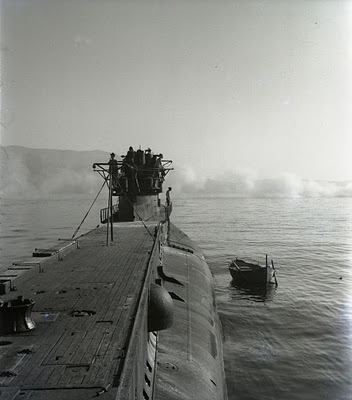
It sounds like the plot of an Alistair MacLean thriller: a German U-boat, loaded with Nazis escaping Europe in the waning days of World War II, stops so that a handsome French doctor can be forced on board to tend to an ailing passenger. In the middle of the Atlantic Ocean, with treachery on every side, can the doctor prevail?

In fact, Rene Clement’s claustrophobic 1947 thriller “Les Maudits” (“The Damned”) does have its share of tense moments. But Clement is going for something a little bigger than melodramatic thrills — something more ambiguous, more metaphorical, and more French. “The Damned” came out this week in a sparkling new Blu-ray edition for the first time from Cohen Media Group.

Most striking is that, unlike other submarine dramas that were shot on sets, “Damned” really makes you feel like you are in cramped quarters underwater. Clement used a reconstructed U-boat for the interiors, shot on top of one in the ocean for the exteriors, and much of the film is shot almost documentary-style.

Second, the handsome doctor (Henri Vidal) is more observer than hero, watching as this motley crew (including a Nazi officer, a German Naval officer, an Italian fascist and a French propagandist) snipe at each other in close quarters. They’re rats on the sinking ship of fascism, turning on each other to stay alive in the pressure-cooker environment of a fleeing U-boat. Made just two years after the end of the war, “The Damned” is a final, moral indictment of pure evil — they can’t even lose honorably.

The extras on the Blu-ray including a feature-length commentary from two Ohio State University scholars, plus an hour-long documentary about the making of the film. Clement, who would go on to make “Purple Noon” and other better-known classics, was seem by French New Wave filmmakers like Francois Truffaut as the sort of conventional French filmmaker they were rebelling against.


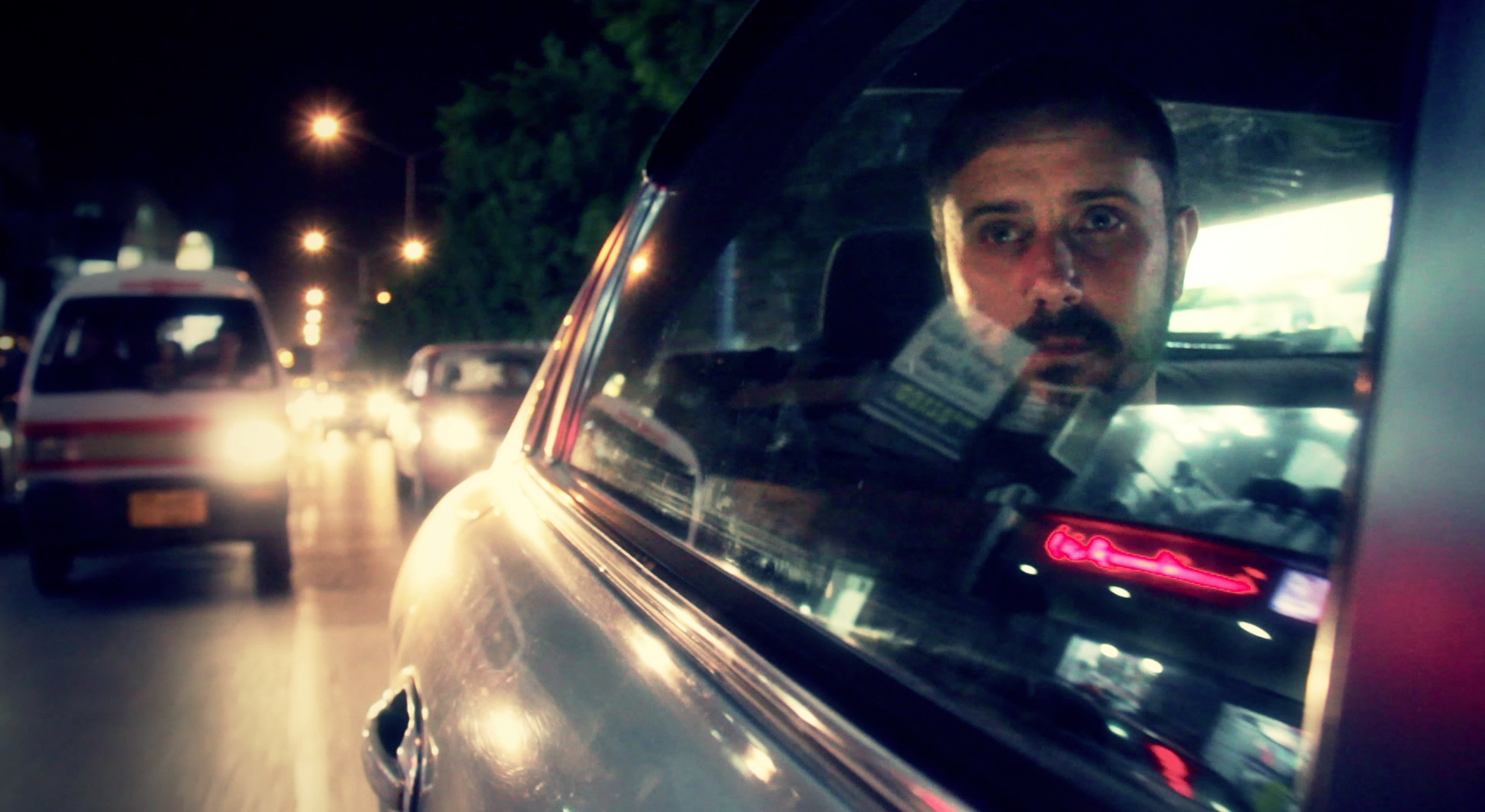
“Dirty Wars”: Jeremy Scahill looks into the shadows, and they look back

dirty-wars-4

“Dirty Wars” opens Friday at Sundance Cinemas in Madison. Not rated, 1;27, three and a half stars out of four.

Jeremy Scahill will introduce the film and host post-show discussions at the 6:50 p.m. screenings on Friday, Aug. 9 and Saturday, Aug. 10. Read my interview with Scahill here.

A Reuters report in this morning’s New York Times tells of three al Qaeda suspects killed by a U.S. drone strike in Yemen.  Who were they? What was the evidence against them? We’ll never know, most likely. All we’ll know is that they were killed, by us, for us.

For an investigative journalist like Jeremy Scahill, national security correspondent for The Nation, that’s not good enough. In his powerful film and accompanying book, “Dirty Wars,” Scahill digs into the human stories behind these anonymous covert actions being done in the War on Terror, trying to ferret out both the apparatus that allows it to happen and the real stories behind the victims.

Beginning with the killing of a police commander in Afghanistan who was seemingly sympathetic to the American cause, and then investigating drone strikes in Yemen and U.S.-sponsored warlords in Somalia, Scahill uncovers evidence of the Joint Special Operations Command, a secret unit that operates largely without congressional oversight and with vague, ever-expanding goals. “Dirty Wars” has the texture of a geopolitical thriller, as Scahill works his sources in intelligence, talks to the grieving and starts piecing together the intel he’s receiving.

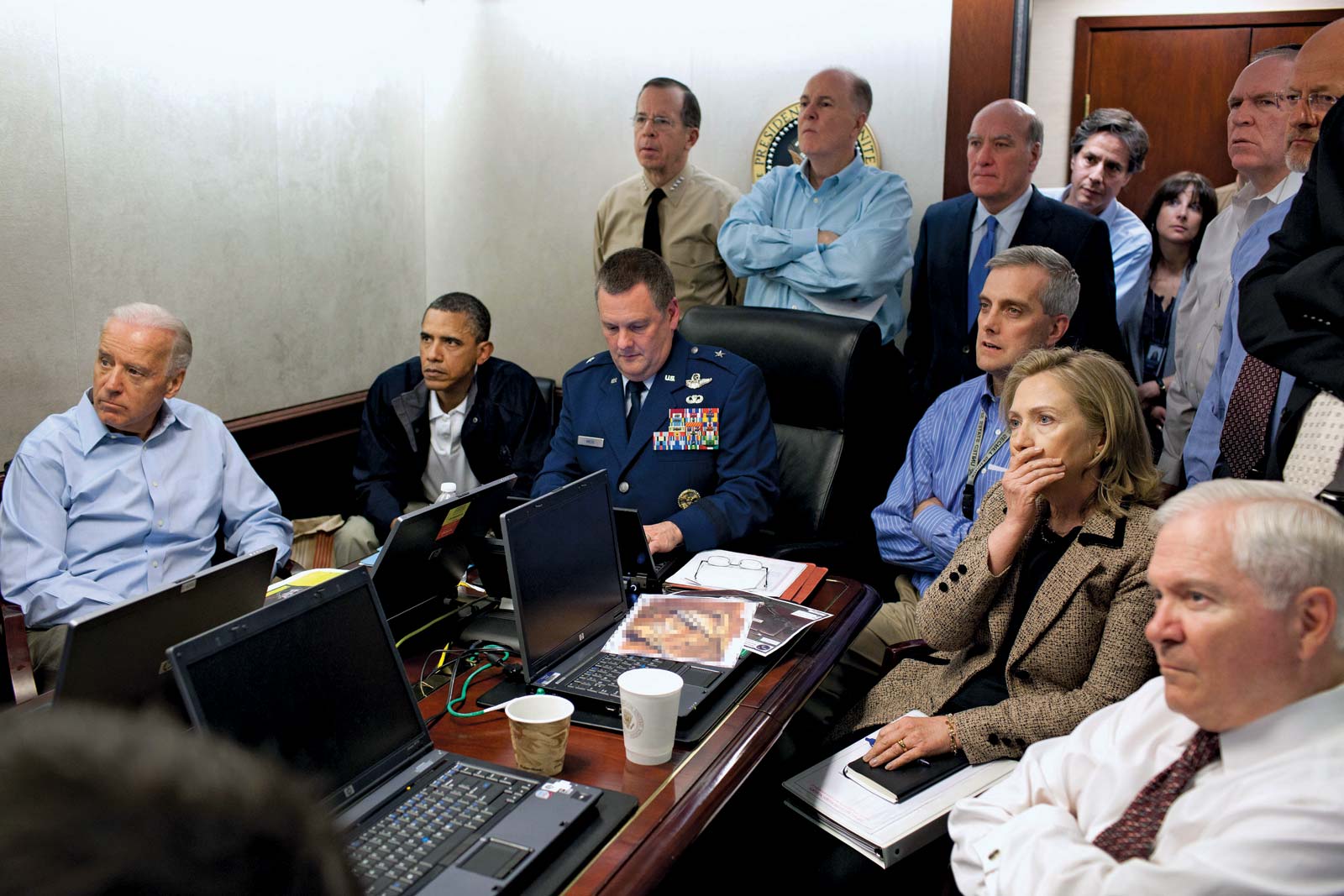
And then the story gets ahead of him, as Osama bin Laden is killed — and JSOC is given the credit. (The head of the unit can be seen in that iconic “war room” photo, tellingly at the head of the table as Obama and Clinton crowd around.) The shadows Scahill has been chasing have come out into the light, and are applauded.

warroom

It’s here that “Dirty Wars” becomes more than the sum of its facts, illuminating not just the secret wars but the emotional toll that trying to uncover them takes on Scahill. He realizes that the story he’s chasing has no end; it’s an endless cycle of attacks and reprisals, growing larger and more unaccountable by the day. Almost Kafka-esque is the tale of one moderate cleric, who called for peace after 9/11 but, after years of being harassed and detained by American forces, became radicalized. The U.S. made him the threat that they always feared he would be, so they killed him with a drone strike.

A few weeks later, they took out his teenage son with another drone. Were they afraid that his father’s death would someday radicalize the son? Because if so, we are moving into “Minority Report”-style pre-crime territory.

Some will question director Richard Rowley’s decision to put Scahill front and center as the film’s protagonist  rather than the facts themselves (Scahill would be among those questioning). But I think it works. Scahill’s presence and narration gives the film a narrative through-line as his investigation hops from one global hotspot to another, one clue to the next; at times it seems like Scahill is starring in the docudrama version of his own story.

And I think it works on emotional level to show the impact of that investigation on Scahill, the accumulating weight of tearful stories from victims’ families, the frustration that there’s always another layer to unpack. And the fear that, if he does finally get to the heart of the story, nobody will care.

“At Any Price”: Cold hearts in the heartland

At-Any-Price

“At Any Price” opens Friday at Sundance Cinemas. R, 1:45, two and a half stars out of four.

From a distance, it looks like a scene out of a Norman Rockwell drawing. An old farmer has died, and among the waving fields of crops, friends and family have gathered to pay their last respects.

A handsome middle-aged man gets to the front of the receiving line, pays his respects to the farmer’s children – who left the rural community behind them years ago. And then, not too subtly, the man inquires whether the children would be willing to sell their father’s land to him.

The bereaved children recoil at such a naked ploy in the midst of such grief, send the man packing. The man nods and goes on his way. And, eventually, he gets the land.

When most movies treat family farming as a revered if threatened part of Americana, Ramin Bahrani’s “At Any Price” dares to show an unromanticized version, with ugly, gnarled roots beneath the breathtaking fields of green. Henry Whipple (Dennis Quaid) may look like the picture of small-town success, the sort of man who looks you square in the eye with a firm handshake. But to stay on top there he has to seize every opportunity, cut every corner – and shake the hand of every dead man’s son.

While Henry touts himself as a “family farmer,” in truth he stays afloat by mergers and acquisitions, continually acquiring more and more acreage. He also is busy as the representative for a Monsanto-like seed corporation, selling genetically-modified seeds to his neighbors.

But a rival salesman (Clancy Brown) is just a bit better at glad-handing that he is, and he’s losing customers. Meanwhile, the seed company is investigating whether Henry used some of the product himself without authorization, which would be against the law. Quaid is perfect for the role, his boyish aw-shucks charm having weathered and hardened into something more calculating, more predatory.

Life inside Henry’s farmhouse isn’t exactly a picture of bucolic harmony either. His older son lit out for the other side of the world as soon as he was of age, leaving the family legacy in the hands of his younger son, Dean (Zac Efron). Only Dean doesn’t want to follow in the family business, preferring to race stock cars and get in fistfights. He’s inherited his father’s cruel streak but not his sense of responsibility.

Bahrani’s past films, including the excellent “Goodbye Solo,” gave his characters lots of space and time to breathe, to establish themselves. But “At Any Price” is a little too busy, a little too much in a hurry to score points and make statements about how corporate influence is warping modern farming.

It’s a worthy subject, but perhaps one that doesn’t fit well within a family drama. Bahrani is striving for something epic and tragic — Shakespeare among the soybeans — but too often the film settles for merely melodramatic.

What’s playing in Madison theaters: July 26-August 1, 2013

the-wolverine06

All week

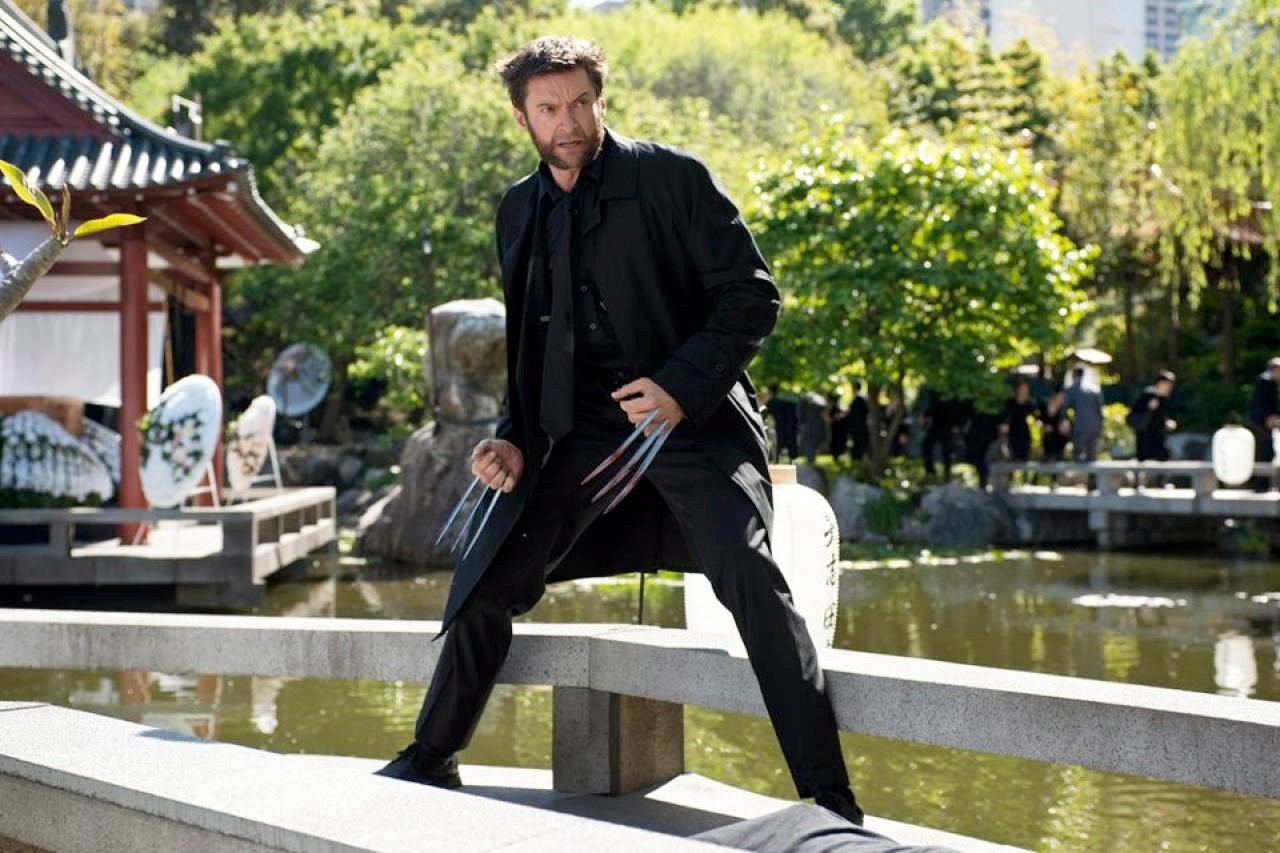
The Wolverine” (Point, Eastgate, Star Cinema) — Hugh Jackman yet again reprises his role as everybody’s favorite snikt-ing superhero, but this looks to be a major step up from “X-Men Origins: Wolverine,” with a grittier tone, a Japanese locale, and James Mangold (“3:10 to Yuma”) directing.

The To-Do List” (Point, Eastgate, Star Cinema) — It’s “The Sexual Awakening of Tracy Flick,” as Aubrey Plaza plays a driven teenager who approaches gaining sexual experience with the same organizational skills that she brought to passing her ACTs.

Fruitvale Station” (Star Cinema, Sundance) — This lauded film from this year’s Sundance Film Festival follows the last day in the life of a drug dealer, who was shot in the back while being held by police in an incident that made national headlines.

Friday

The Fall” (7 p.m., Union South Marquee Theatre, 1308 W. Dayton St.) — Roger Ebert was a big fan of Tarsem Singh’s eye-popping, self-financed spectacle, in which an injured stuntman’s fanciful tales to a young Romanian girl are spun out on the big screen. The visuals are simply breathtaking and need to be seen on the big screen. Free!

Monday

“Galaxy Quest” (9 p.m., UW Memorial Union Terrace, 800 Langdon St.) — Trekkies will love this absolutely delightful spoof, as the case of a faded sci-fi TV series gets kidnapped by aliens who think they are the real thing. Free!

Oz The Great and Powerful” (10 p.m. Star Cinema) — Sam Raimi attempts to capture the magic of “The Wizard of Oz” with this prequel, starring James Franco as a young Wiz, but only succeeds in making a lot of pretty pictures that make you long for the original. Admission is only $3, with proceeds going to autism research.

Tuesday

The Croods” (10 a.m., Point and Eastgate) — One of the nicest surprises of 2013 was this animated film, about a cavemen family trying to outrun the apocalypse. The movie is genuinely funny and beautiful, has a surprisingly moving father-daughter relationship, and the teenage girl Emma Stone plays actually looks like a real teenage girl, not a Disneyfied princess. Admission is only $2 as part of the Marcus Kids Dream film series.

Oz the Great and Powerful” (10 p.m., Star Cinema) — See Monday listing.

Wednesday

“The Croods” (10 a.m. Point and Eastgate) — See Tuesday listing

American Graffiti” (Sundance Cinemas) — George Lucas’ film was an elegaic ode to his 1950s California upbringing, as a group of friends (including Ron Howard and Richard Dreyfuss) tool around town for one last night before adulthood calls. It’s funny and poignant, and still hard to believe Lucas made it.

american-graffiti-2

Oz the Great and Powerful” (10 p.m., Star Cinema) — See Monday listing.

Thursday

“The Croods” (10 a.m. Point and Eastgate) — See Tuesday listing

As Long as You’re Healthy” and “The Land of Milk and Honey” ( 7 p.m., 4070 Vilas Hall, 821 University Ave.) — The Cinematheque’s tribute to the great French comic filmmaker Pierre Etaix concludes with this double feature. The first film features four delightful short films; the second is a satirical documentary about French life that essentially got his blackballed from moviemaking. Free!

DVD review: “Starbuck”: Teach your 533 children well

"Starbuck" Day 06 Photo: Jan Thijs Caramel Film

“Starbuck” writer-director Ken Scott is remaking the French-Canadian hit for American audiences as “The Delivery Man,” with Vince Vaughn in the starring role. The movie comes out on Thanksgiving Day, and although Scott’s hand on the till bodes well, I’ll be surprised if the Hollywood version will be as charming as the original 2011 film, out on DVD this week.

The film deftly balances its comic and feel-good aspirations, making a film that’s surprisingly gentle and warm-hearted for a film that, after all, kicks off with a masturbation montage. David Wozniak (Patrick Huard) primary income in his early 20s seemed to be heading down to a Montreal sperm bank and making donation after donation.

It seems to be his primary achievement in life — when we meet him again at 42, he’s a screw-up who grows pot in his apartment, owes loan sharks big time and works as a delivery driver at his family’s butcher shop, a job he hangs onto by the skin of his nepotism.

But then he finds out all those donations bore fruit — 533 children were born as a result of his donations, all now of college age. And 142 of them want the clinic to void his confidentiality agreement and find out who their biological father really was. Wozniak (who the clinic nicknamed “Starbuck” after a prize Quebec bull) is initially aghast at the thought of having such a large brood. But when he starts looking into the lives of the kids — including a drug addict, an aspiring actor, a subway busker, and others — his essentially decent heart wins out.

Without revealing his identity, he befriends them and acting as a kind of guardian angel. If he can’t turn around his own life, he reasons, he can help out each of these kids a little. Of course, he get sucked more deeply into their lives than he anticipated. In one scene, he accidentally ends up in the middle of  a ballroom surrounded by hundreds of his offspring, who have created a kind of support network for each other. It’s a surprisingly moving scene, as Wozniak surveys this strange, gigantic, devoted family that he unwittingly created.

starbuck

“Starbuck” is well-paced and has some nice supporting roles, including Antoine Bertrand as Wozniak’s long-suffering lawyer. But the film rests entirely on Huard’s shoulders. Huard, a celebrated French-Canadian actor and comic (Wisconsin Film Festival fans will remember him as the “Bon Cop” in “Good Cop, Bon Cop,” which sold out the Orpheum Theater in 2006.) Slightly beefy and grizzled, Huard is in nearly every frame of this movie, convincing as both a man who has made a lot of mistakes but would like to figure out how to stop making more. I’ll be curious to see if Vaughn, who tends to play more aggressive Type-A motormouths, can match his sheepdog charm.

The DVD release of “Starbuck” on eOne Entertainment contains two brief junket interviews with Huard and Scott, a blooper reel, and seven deleted scenes (although the film feels plenty long enough at 110 minutes.)

Instant Gratification: “The Bay” and four other good movies to watch on Netflix right now

thebay

Here’s five more movies that just hit Netflix Instant in the past couple of weeks, from an eco-horror film that’s unsettlingly perfect for summer viewing to the brilliant original version of a highly-anticipated upcoming remake.

Pick of the week: “The Bay”:  My original review is here. Barry “Diner” Levinson is about the last person I’d expect to make a found-footage horror movie, but his eco-horror film about a seaside town invaded by inch-long parasites brought on by a nasty mix of nuclear and chemical dumping is clever and creepy.

Documentary of the week: “Hot Coffee”: My original review is here. A documentary on tort reform may sound like the dullest thing imaginable, but this engaging 2011 film looks at the real-world costs when juries are prevented from fairly awarding damages to victims of corporate neglect. The film looks at three cases, including the infamous McDonald’s hot-coffee case that received so much derision, and shows you what really happened behind the punchlines.

Action film of the week: “Oldboy”: My full review is here. With the first trailer for Spike Lee’s remake now out, Netflix is releasing the original 2003 film from Park Chan-wook, in which a man seeks revenge against the mysterious kidnappers who held him for 17 years. Spike, you have your work cut out for you.

Sci-fi film of the week: “Strange Days”: Back in 1995, Kathryn Bigelow made a terrific sci-fi/action film starring Ralph Fiennes as a ex-cop who dealt in virtual reality devices that allowed you to experience the world from another person’s perspective. When a murder victim’s “sim” crosses his path, he reluctantly investigates.

Drama of the week: “The Truman Show”: Or maybe it’s a comedy? Either way, Peter Weir’s media satire, in which a man (Jim Carrey) learns that his entire life has been the soundstage for a 24/7 television show, keeps inching closer to reality with each passing year..