“White House Down”: Four score and twenty bullets ago . . .

1183878 - WHITE HOUSE DOWN

“White House Down” opens Friday at Point, Eastgate, and Star Cinema. PG-13, 1:56, three stars out of four

It was right about the time Channing Tatum was doing donuts in the presidential limo on the south lawn of the White House, tearing up turf as the bad guys chasing him fired from roof-mounted machine guns, that I suspected “White House Down” would not be a nuanced film about geopolitics.

Actually, that’s not quite true. Right about the moment I saw the words “A Roland Emmerich Film” during the opening credits, I knew I was in for something ridiculous. This is a director, after all, who has assaulted the world with aliens, Godzilla, flash-freeze global warming, and a Mayan calendar that as it turns out was not all that accurate. And the thing you have to shake your head and kinda admire about a Roland Emmerich film is that he creates such goofy CGI mayhem so humorlessly, as if the world desperately needs to see itself flattened and fricaseed again and again.

Except for “White House Down.” Though assuredly as nutballs as its predecessors in the Emmerich oeuvre, this is a really fun action movie, and acutely aware it’s a really fun action movie. Unlike the sober R-rated “Olympus Has Fallen” of just a few months ago, “White House” down is fleet-footed and enjoyable, finding room for plenty of laughs within the mayhem.

While “This Is The End” fans know this could only be the second-best Channing Tatum film of the summer, he exudes movie-star aw-shucks charisma as John Cale, a Capitol Security agent protecting the Speaker of the House (Richard Jenkins). Cale wants to move up to the White House, mostly to impress his disaffected 11-year-old daughter Emily (Joey King), who is a freak for presidential trivia. (I mean, what 11-year-old girl isn’t, am I right, parents?) He takes her a long on his job interview at 1600 Pennsylvania Avenue, and while they’re there, all CGI hell breaks loose.

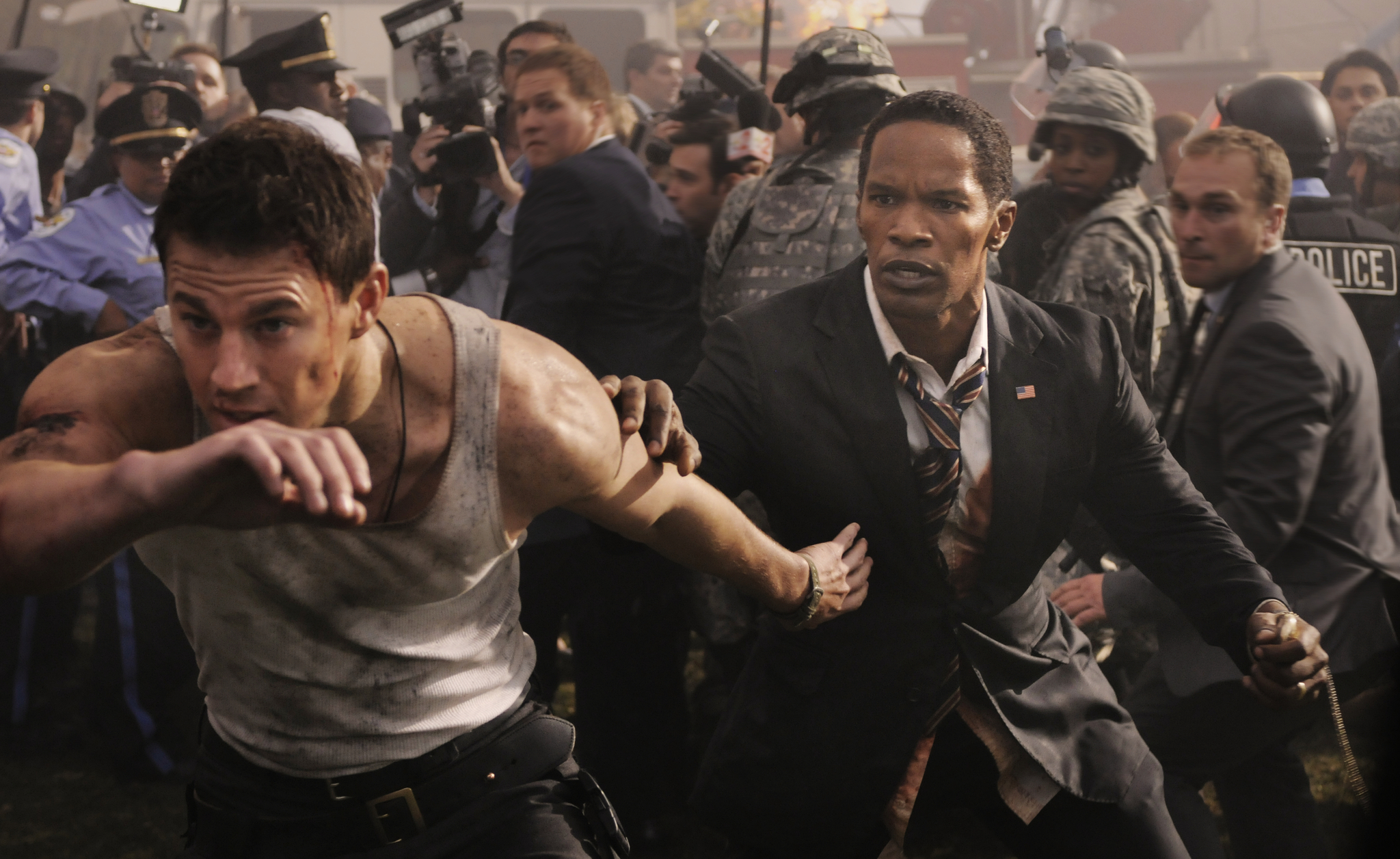
Mercenaries led by the glowering Jason Clarke of “Zero Dark Thirty” take over the White House in a manner that’s just plausible enough to be unsettling, their sights on President James Sawyer (Jamie Foxx). Apparently Sawyer’s plan for a major peace treaty that involves pulling all U.S. troops out of the Middle East doesn’t sit well with defense contractors. But Cale rescues the president, and the pair sneak around the White House, from the residence on the top floor to the catacombs where JFK allegedly smuggled in Marilyn, trying to stop the bad guys and save the day.

Yes, it’s “Die Hard in the West Wing,” and “White House Down” isn’t shy about driving the comparison home, having Tatum storm the halls in a very McClane-esque white wife-beater, and making one villain, a fey hacker, awfully fond of Beethoven (but Beethoven’s Fifth, not “Ode to Joy.”) Truth be told, “White House” could teach a few lessons to the sputtering “Die Hard” franchise. Emmerich and screenwriter James Vanderbilt effectively use the enclosed spaces of the building to create tense, well-staged action sequences, and effectively crosscut with plucky young Emily’s attempts to send info about the mercs to the outside world, as well as lots of frowny-faced officials in various control rooms. Michael Murphy, who recently charmed audiences at the Wisconsin Film Festival, even gets to play the Veep, although he spends most of the movie on Air Force Two and may be up for Best Performance by a Supporting Actor on Skype.

But what makes the movie click is the connection between Tatum and Foxx, who both sell the audience on the stakes involved while still being a very funny team. The movie loses a little of its zip about two-thirds of the way through, when plot requirements force Cale and Sawyer to split up, and Emmerich starts getting more concerned with large-scale destruction and a “fate of the free world is at stake” escalation in the plot. Although, it may be considered a newfound sign of maturity in Emmerich that only the free part of the world risks annihilation this time around, and not the whole enchilada.

“World War Z”: The undead are Pitted against the living

World-War-Z

“World War Z” opens Friday at Point, Eastgate, Star Cinema and Sundance. PG-13, 1:55, three stars out of four.

Having just seen the world get decimated last week by fire, brimstone and well-endowed demons in “This is the End,” I wasn’t sure if I was ready to reboot for yet another end-of-the-world tale (this one a lot more serious than “End.”) But Marc Forster’s “World War Z,” based on Max Brooks’ clever bestseller, delivers the doomsday goods, with a fresh take on the zombie thriller that’s just smart enough to stand apart from the blockbuster pack.

Zombies are so well-known to moviegoers that I should start by classifying this batch — they’re the fast-running kind, who tackle their prey like lions taking down a springbok on the savannah. They don’t eat their victims (lucky for a movie that wants a PG-13 rating), but bite quickly, deliver the zombie virus, and move on to the next target.

We see this process take place in a well-choreographed early scene in Philadelphia, where thousands run from the zombies through the city streets, thousands turning into hundreds as the fast-moving virus creates new hosts. Caught in the chaos in former United Nations investigator Gerry Lane (Brad Pitt) and his family. They escape the carnage for Newark (not the first place I’d choose for a safe haven), and then are airlifted to an aircraft carrier, where a deal is struck. If Gerry travels the globe searching for a cure, his family can stay safe and sound on the ship.

Like the James Bond of undead pathology, Gerry hops from location to location, from South Korea to Jerusalem to Wales, stopping just long enough for a vital clue and an action scene before moving on. Fortunately, the action sequences are all inventive and well-executed, with the zombies not just attacking but swarming en masse.

In the film’s showpiece, thousands of zombies attempt to breach a wall surrounding Jerusalem by climbing up the side in a giant mound, like ants. But just as effective is a scene when a zombie gets on board a commercial airplane, creating an undead wave that starts in coach and scuttles forward. (Will they show that scene on the in-flight movie, or worry that nervous travelers have enough on their plate?)

Through it all, Pitt plays a low-key intensity, trying to piece together the clues to find a way to stop or at least delay the spread. The ending of “World War Z” feels a little muddled, as if it’s both trying to provide a satisfying conclusion and leave the door open for a sequel. But the ride along the way provides enough thrills without insulting your intelligence.

“Much Ado About Nothing”: Joss Whedon’s joyful idea of a home movie

muchado

“Much Ado About Nothing” opens Friday at Sundance Cinemas. PG-13, 1:49, 4 stars out of 4.

Joss Whedon threw a party and a Shakespeare movie broke out.

The writer-director behind “Buffy, The Vampire Slayer” and “The Avengers” is known for throwing parties at his Los Angeles home where the guests stage plays by the Bard over wine and hors d’oeuvres. On a break between shooting and editing “The Avengers,” Whedon decided to take the next logical step and film a movie.

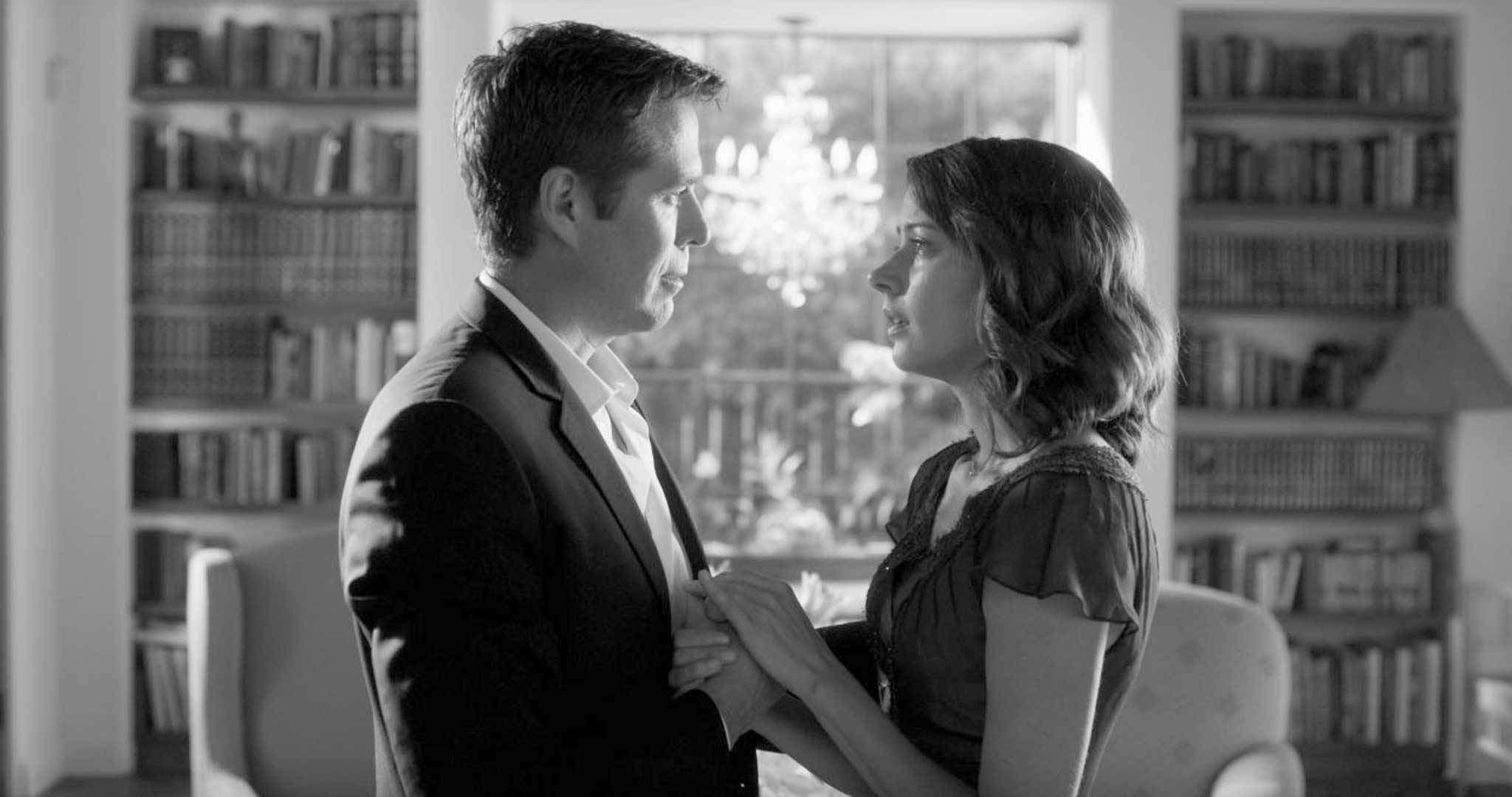
But this is no for-fans-only curio meant just for the Whedonverse. Whedon’s effervescent adaptation of “Much Ado About Nothing” is utterly delightful, brimming with good humor and romance and a fair bit of wine. And while you can sense the easy camaraderie and chemistry among the cast, many of whom are friends who have worked with Whedon before, the film doesn’t coast on its homey goodwill. It’s actually a very smart and disciplined adaptation of Shakespeare’s play.

For example, Whedon adds a wordless prologue to Shakespeare’s story featuring the uncomfortable aftermath to a one-night stand between Benedick (Alexis Denisof) and Beatrice (Amy Acker). The tension mmediately and cleverly explains both their visible animosity towards each other (Benedick certainly earns his name’s last syllable), and the tender feelings lurking beneath their barbs.

In the film, Benedick has arrived with the prince, Don Pedro (Reed Diamond of “Homicide”) to the home of Beatrice’s uncle, Leonato (Clark Gregg of “The Avengers.”) Tired of war, the men are looking for wine, women and song, if not necessarily in that order. (“We are the only love-gods,” Pedro purrs.) While Benedick and Beatrice spar, Claudio (Fran Kranz) is making goo-goo eyes at young Hero (Jillian Morgese).

Because apparently nobody can fall in love in this play without being tricked into doing so, much hijinks ensue, involving eavesdropping, masks and mistaken identities. As Benedick and Beatrice are tricked into revealing their true feelings for each other, Claudio and Hero find their love tested by the malevolent deceptions of the prince’s illegitimate brother, Don John (Sean Maher of “Firefly.”) But, to quote another play, all’s well that end’s well.

The action is all set in modern times, which doesn’t always square with some of the outdated attitudes towards women in the play, such as the “shaming” of Hero that Don John engineers. Leonato’s home is Whedon’s actual home, which leads to some great visual gags, such as Benedick and Claudio musing dreamy-eyed about love while sitting on the tiny beds in Whedon’s daughters’ bedroom.

Acker and Denisof, who played doomed lovers on Whedon’s “Angel,” have wonderful comic and romantic chemistry; Morgese and Kranz less so, though Shakespeare didn’t give Hero and Claudio much to do other than be yanked together and apart by the plotting of others. Whedon revels in comic stagings, with Beatrice hiding under the breakfast nook to eavesdrop, or Benedick puffing himself up like a peacock when he thinks Beatrice has hidden feelings for him.

The comedy hits high gear when Nathan Fillion (“Firefly,” also currently on “Castle”) fills the screen as the incompetent constable Dogberry. With his huge frame and holstered gun, Fillion plays Dogberry hilariously as a hard-nosed TV cop who has no clue how far behind the curve he really is.

Shot in gorgeous black-and-white, “Much Ado About Nothing” is a fun and fluid production that shows all you need to do Shakespeare right is some talented actors, the Bard’s own words, and a director who knows what to do with them all. And some wine helps, too.

“Breakup at a Wedding”: Here comes the bride’s neuroses

breakupataweddingBack in April, one of the highlights of the Mini_Indie Film Festival at the UW’s Union South was a pre-release screening of a comedy called “Breakup at a Wedding,” with some of the creators and cast in attendance. By all accounts it was a raucous and successful affair (“They’re laughing like hell at the breakup scene? I love these sick bastard Wisconsinites!” tweeted writer/producer Anna Martemucci (@annamartemucci) during the screening.)

If you missed it, the movie’s out Tuesday on video-on-demand services and available on iTunes, and is a pretty funny R-rated comedy. It should be a mandatory stress-reduction technique for anybody currently in the throes of planning their own summer wedding.

Alison (Alison Fyrhie) and Phil (Philip Quinaz) see their impending nuptuals bearing down on them like a freight train — she is an undiagnosed Bridezilla, while he is already betrothed to his iPhone. Before the wedding, the pressure comes to a head and they decide they really shouldn’t get married. But since the flowers are bought and everyone’s RSVPed, why not go through with it anyway? How else are they going to score an ice cream maker?

Of course, mishap piles upon mishap, from the groom’s plans to switch his best man at the last minute, to the bride’s half-assing her personal vows, to a fight with a rival wedding party over free booze at the reception. The trick to “Wedding” is that it’s all presented mockumentary style, as if this was the raw footage from the wedding videos. It works pretty well, although I was pretty annoyed at the videographer’s voiceover explanations at the beginning (the last thing a movie that shows people acting ridiculous needs is a narrator saying “Aren’t these people acting ridiculous?”).

But the film is genuinely funny, builds effectively to its big laughs at the end, and manages to inject just enough sweetness among the cynicism about the outrageous expense and lavishness of modern weddings. If you think you might laugh at a breakup scene yourself, check it out.

“Man of Steel” and the importance of dorky red capes

man-of-steel-screenshot-01-e1369283997296

I’ve never been a Superman guy. Batman, Spider-Man, even Flash, but never really Superman. I like my superheroes to have up to one superpower, maximum. It’s the limitations that make things interesting.

Superman, meanwhile? It’s kind of boring to be the guy who can do everything. So I went to a screening of “Man of Steel” on Father’s Day putting the film in a no-win situation. If it was the square-jawed Superman of old, it would be kind of dorky. And if it attempted to “Dark Knight”-ify Superman (Christopher Nolan produced and co-wrote), well then, it betrayed all that dorkiness at the heart of Superman. No-win.

But then, in the lobby at Star Cinema, I saw a man and his son, who looked to be about 5 or 6, sitting at one of the tables. Both decked out in full-length red capes.

And these weren’t the cool maroon capes that the new Superman wears, but the bright red, old-school Christopher Reeve capes of old. And it suddenly reminded me that, while Superman didn’t mean a lot to me, it meant a lot to somebody. Suddenly, as the lights went down, I was starting to become invested in the hope that “Man of Steel” would get it right.

And, as it turns out, I liked it.

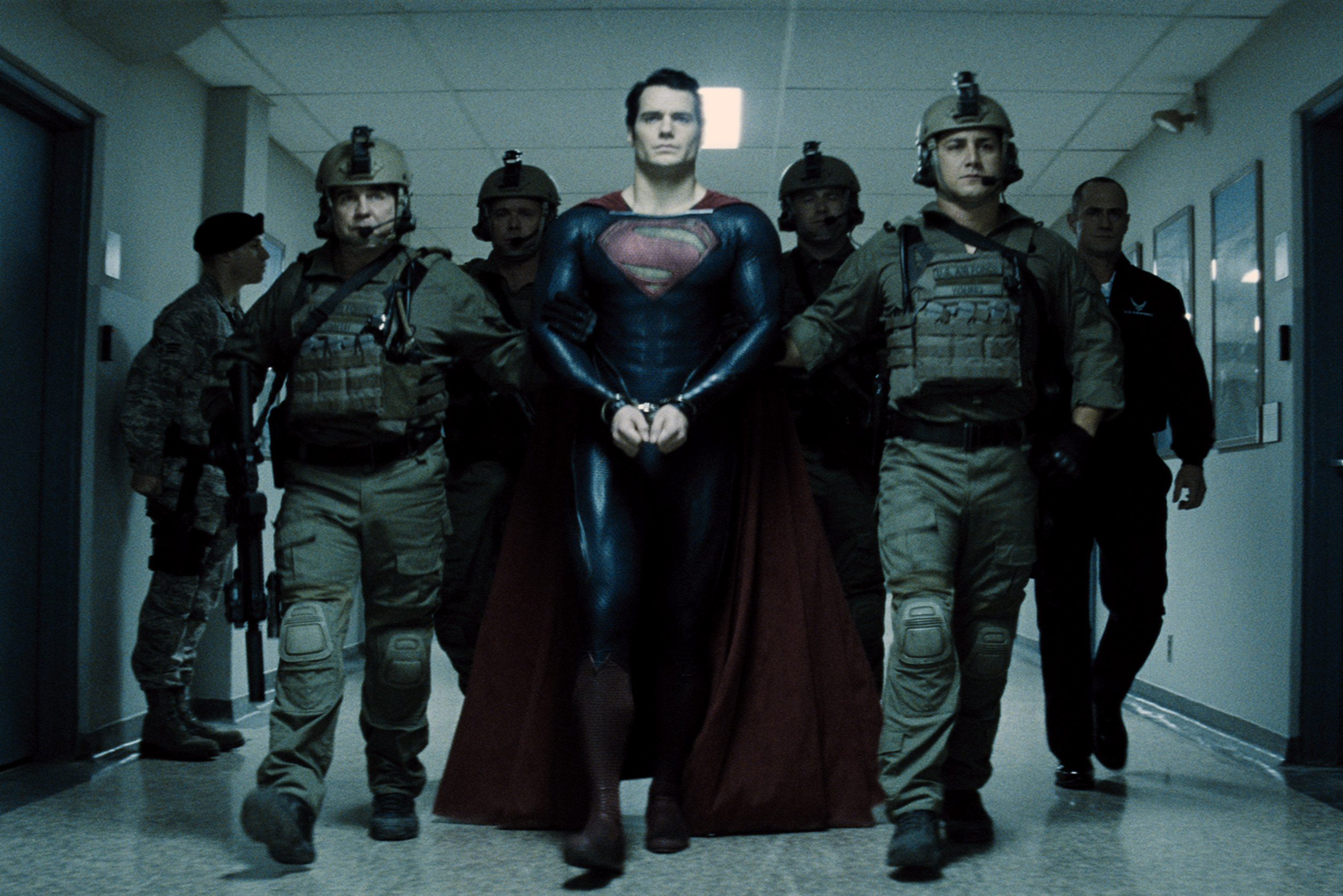
It was a slow process of winning me over — the early scenes on Krypton seemed unnecessarily busy, as if terrified of losing the audience early.  And that oil rig rescue, with a buff, bearded, flaming Henry Cavill, didn’t exactly set the right tone for me either.

But when “Man of Steel” started flashing back to Kal-El’s Smallville upbringing — Diane Lane coaxing him lovingly out of a janitor’s closet, Kevin Costner nervously telling him to hide his gifts until the world is ready for them — this movie was fantastic. Costner in particular is just so good as Pa Kent — that last moment during the tornado just wrecks you — and I love how together, without ever meeting, he and Russell Crowe’s Jor-el work in tandem as fathers for Clark, giving him the parenting he needs when he needs it.

It’s that stuff that really grounds the film, and gives weight to the theme of Superman being a protector of the world, something the movie takes very seriously. At first I worried that Cavill would just be an empty red-and-blue suit, and being just Superman and not Clark Kent doesn’t give an actor a lot to work with. But I thought he sold it, sold the audience on this idea that he’s this nearly godlike being who has chosen to serve beings much weaker than him.

And then we get into all the punching and explosions and building toppling, and that’s great — the visual effects are top-notch. I will say that director Zach Snyder continues his streak of not really caring what real people are doing — Amy Adams gets some nice moments as Lois Lane, but for the most part the human race is relegated to bystanders, watching as the big boys go at it.

For all the talk on what the revelation of Superman’s existence would do to the human race, we hardly ever see that effect — we hardly see him inspire anybody. The movie could have used a scene like the subway train scene in “Spider-Man 2,” when the passengers rise up to try to protect Spider-Man from Doc Ock. Although I appreciate any superhero movie that allows Toby from “The West Wing” to save the day.

But “Man of Steel” is an authentic, sincere take on the Superman story; it isn’t just trying to riff off previous versions with in-jokes and references, but to find a different, larger-canvas way to tell that story from scratch. And although it looks expensive and in many ways is subservient to the needs of today’s IMAX 3D summer blockbusters, the heart is still intact.

I didn’t love “Man of Steel” — not as powerful as “The Dark Knight” movies, not as fun as “Iron Man 3” or “The Avengers.” I would have liked to see someone with a lighter, more human touch take on the same material. But all the same, I liked it more than I thought I would, and thought it puts down a solid foundation to build on in other movies. I think that caped father and son went home happy.

“Before Midnight”: The honeymoon’s over for Jesse and Celine

Before-Midnight-2

“Before Midnight” opens Friday at Sundance and Star Cinema. R, 1:48, three and a half stars out of four.

(Note: You may not want to read this review before seeing “Before Midnight,” as spoilers abound.)

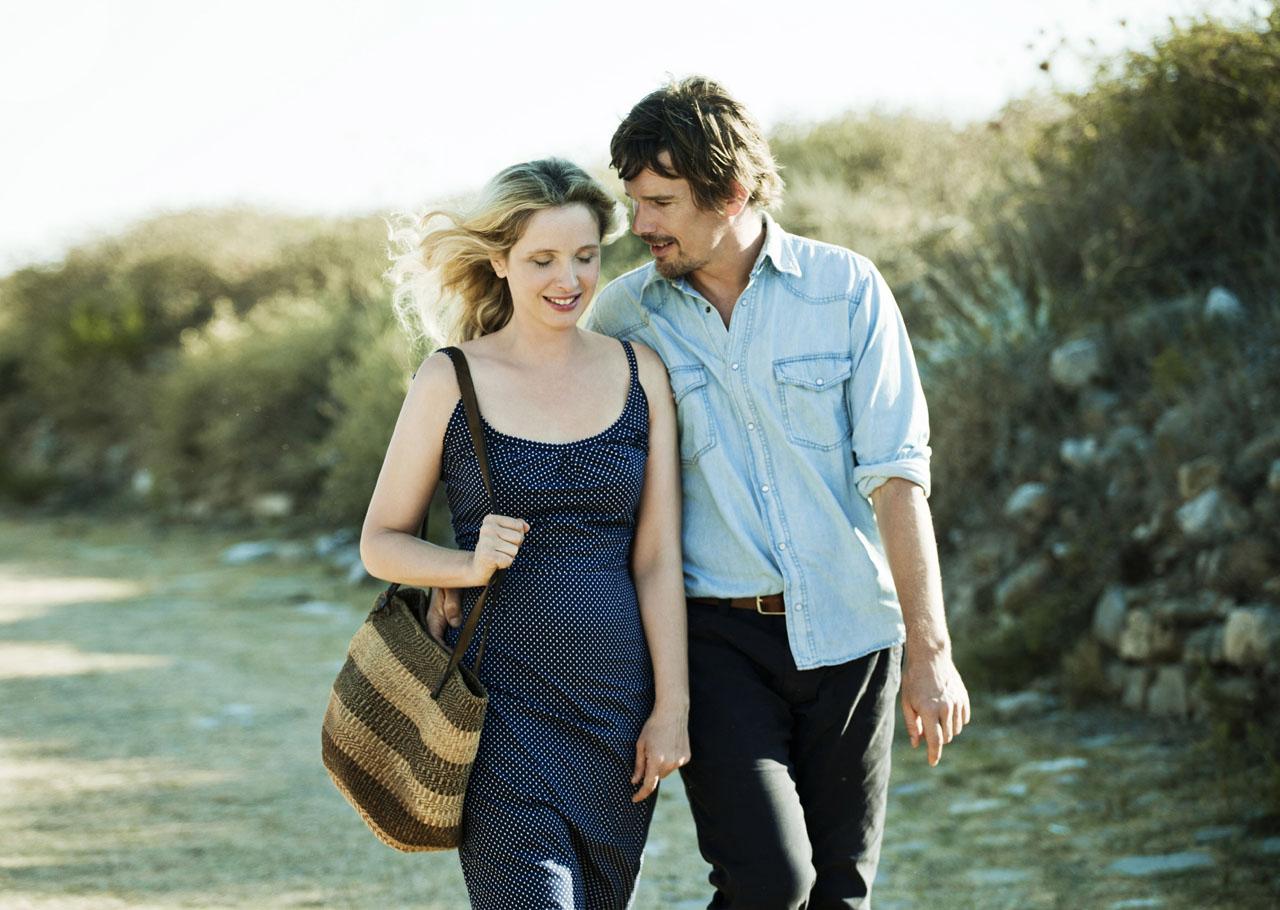
Early on, we get the moment we’ve been waiting nine years for in “Before Midnight.” Jesse (Ethan Hawke) exits an airport in Greece after saying goodbye to his son, who lives in Chicago with his mother.

Jesse walks out to his car — and there’s Celine (Julie Delpy)! With adorable twin 7-year-old girls sleeping in the backseat! They’re together! The happily ever after that fans of “Before Sunrise” and “Before Sunset” have been hoping for has finally arrived.

And then the movie starts. And we see what exactly “happily ever after” entails.

As someone who thought 1995’s “Before Sunrise” was a near-perfect romantic film about the possibilities of true love, and 2004’s “Before Sunset” was even closer to perfect, I was both thrilled by the news that Richard Linklater was making a third movie with Hawke and Delpy, as well as a little nervous. Could they sustain the romantic spell that the first two films had cast?

The answer is not only no, but deliberately no. “Before Midnight” turns out to be a much tougher and more realistic film about relationships than its predecessors, and it’s quite a shock. If “Sunrise” was a film that was all about possibility, and “Sunset” was a film that balanced the possibility of what could be against the regret of what was, “Midnight” is very firmly more about regret. This couple, now 41, has been together for a while, and made choices to be together. And some of those choices still don’t sit well.

On the drive home from the airport, Linklater settles into the familiar rhythms of the “Before” movies, using long takes as Jesse and Celine talk. The relationship seems good — they still have lots to say to each other, can still make each other laugh, still seem genuinely interested in each other. But underneath the banter you sense some buried issues that have never been quite resolved.

For one, it seems like things got very messy after the closing credits of “Before Sunset.” Jesse left his wife for Celine, they had the twins almost immediately, and now the couple lives in Paris, Jesse hardly ever seeing his son. Meanwhile, Celine had to downshift her career to take care of the twins, and has a dream job offer in front of her. That opening conversation is a master class in saying things without saying them, as Jesse tries to float the idea of the family moving to Chicago, without actually floating it.

The family comes to a gorgeous seaside Greek home, where they’ve been staying all summer. The film’s second big conversation is over dinner with friends, which is great, because for the first time we see Jesse and Celine really talking to other people rather than just to each other. The other couples at the table represent the different phases of love — a young couple, a middle-aged married couple, a widow and widower living with their memories. The topic at the table is the limits of love, surprisingly frank and downbeat on the subject of whether another person can make you truly happy, or if you inevitably settle for someone. This person may be the love of your life, but if life is so fleeting, how enduring can that love be?

The third major conversation of the film happens in a lavish hotel room that Jesse and Celine stay in, intended for a romantic getaway. And there’s just no sugarcoating it — it is a vicious, protracted fight between the two that goes on and on, as those long-simmering tensions bubble over and they say all the things you never should say to your significant other, the things you know will cut the deepest.  It feels uncomfortably real, even following the rhythms of a bad fight — how things will plateau a bit and you think you might be done, but then someone says something and then it starts up all over again, even worse than before. After the long, graceful takes of the rest of the film, Linklater opts for quick, angry cuts, treating the couple like combatants.

It is well-acted, insightfully written, and really hard to watch; I felt like I went to see a  romantic comedy and a John Cassavetes film broke out. We’ve developed such affection and goodwill towards this couple, rooted for them for so long, that to see them turn on each other like that is heartbreaking.

But, ultimately, what “Before Midnight” is doing is putting us in the same position with Jesse and Celine that they are with each other. The romantic idealism has evaporated, and now we see them for who they are — real, deeply flawed, sometimes selfish people. Can we still love them?

“Before Midnight” is a powerful film because it plays on our long-standing affection for these characters, daring to take them into much darker emotional territory than we expected them to go. Delpy and Hawke (who collaborated with Linklater on the screenplay) know these characters so well, and are able to add those shadings while staying true to their essences. Jesse is still talking philosophy, still writing stories, but has settled into something of a middle-aged poseur. Celine is quick-witted and sharp as ever, but perhaps too quick to let her cynicism get the better of her — believe me, you never want to be on the receiving end of a withering look for Delpy.

The hard-won truth of “Before Midnight” is that there’s no “happily ever after” — making a relationship work is still work, and maybe the work gets harder as the relationship goes on. Things seemed so much simpler on a train ride in Vienna, when all things seemed possible for two 23-year-old romantics.

But we still root for them. We still love them.

What’s playing in Madison theaters, June 14-20, 2013

manofsteel

All week

Man of Steel” (Point, Eastgate, Star Cinema, Sundance) — Less than a decade after “Superman Returns,” DC Comics tries another “Superman” reboot, this one noticeably bearing the stamp of writer-producer Christopher Nolan as well as director Zach Snyder. Is it “The Clark Knight”?

This is the End” (Point, Eastgate, Star Cinema) — My full review is here. Everyone else is destroying the planet at the movies this summer, so why shouldn’t Seth Rogen? In this raunchy, gross and funny comedy, Rogen and several of his Hollywood friends (all playing themselves) are stuck in James Franco’s house when the apocalypse hits, and must contend with demons, cannibals and their own pampered ineptitude.

Before Midnight” (Star Cinema, Sundance) — Jesse and Celine of “Before Sunrise” and “Before Sunset” return in this long-awaited third installment, as the pair are now in their 40s and questioning the choices they made that got them to this point.

Friday

The Short Films of Miranda July” (9:30 p.m., Madison Museum of Contemporary Art rooftop, 227 State St.) — MMOCA’s cool Rooftop Cinema series presents a series of shorts from filmmaker and artist Miranda July, all pre-dating her first feature “You and Me and Everyone We Know.” FREE for museum members, $7 for everyone else. If it’s raining, the movie will take place in MMOCA’s screening room indoors.

How to Train Your Dragon” (7 p.m., Warner Park Duck Pond) — It’s the Madison Mallards vs. the Dragons, as Moonlight Movies uses the Mallards’ stadium to screen the action-packed and clever animated hit about a boy and his dragon. Concessions will be available for purchase. Visit cityofmadison.com to check on weather updates. FREE!

Monday

Mars Attacks” (9 p.m., UW Memorial Union Terrace) — Aliens attack and many celebrities are caught in the cross fire in Tim Burton’s kinda mean-spirited adaptation of the trading card series. FREE!

Tuesday

“Earth” (10 a.m. Point, Eastgate) — Marcus Theatres’ Kids Dream film series powers up for the summer, offering family films for only a $2 admission Tuesday through Thursday morning. This week it’s the Disney nature documentary “Earth,” following three animal families on their journeys.

Wednesday

“E.T. The Extraterrestrial” (1:15 and 6:50 p.m., Sundance Cinemas) — This is the third time in about a month that you can see “E.T.” in Madison, following Moonlight Movies and Memorial Union Terrace screenings. This week’s “Raiders of the Lost Ark” screening was sold out, so I’d still get there early if you want to seee it.

“Earth” (10 a.m. Point, Eastgate) –See Tuesday listing.

Thursday

New Belgium Clips of Faith Film Festival” (7:30 p.m., Olin-Turville Park) — The popular annual traveling festival mixes short films with limited-edition batches of craft beer, all in a venue that encourages audiences to bike in. Salvatore’s Tomato Pies and the Good Food Truck will be serving up food, and the event is a benefit for the Bicycle Federation of Wisconsin.

“Earth” (10 a.m. Point, Eastgate) –See Tuesday listing.

“This is the End”: When the apocalypse comes, it’s going to be superbad

Thisistheend-cast

“This is the End” opens Wednesday at Point, Eastgate and Star Cinema. R, 1:59, three stars out of four.

This is the way the world ends; not with a bang, but with Jonah Hill whimpering.

Seth Rogen and Evan Goldberg’s hilarious “This is the End” finds the sweet spot between apocalyptic horror-comedy and Hollywood satire, a sweet spot I didn’t even know existed. Raunchy, nutty, gory and even sometimes sweet, the movie doesn’t stray too far from their breakthrough as screenwriters, “Superbad.” Only, this time, instead of two friends worrying about whether girls will tear their friendship apart, they worry that demons from the gaping maw of Hell will tear them apart. Literally.

Rogen plays a version of himself, a pampered Hollywood actor who invites his old friend Jay Baruchel (the two are both Canadians and former “Undeclared” cast members) to Los Angeles for a weekend of weed and PS3. The friendship has grown strained over the years as Rogen’s become more famous, and Baruchel is resentful of his new Hollywood lifestyle. The duo go over to James Franco’s fortress-like house that’s packed with celebrity friends from the Rogenverse (including Mindy Kaling, Jason Segel, and a riotous cameo by Michael Cera as a coked-out, hyper-aggressive version of his sweet, gentle onscreen persona). Baruchel is ready to bail.

And then the Rapture hits. The worthy ascend to Heaven riding beams of blue light (good joke: the Hollywood night sky shows maybe 12 or 15 of these blue lights, tops) leaving everyone else to suffer doomsday. A giant sinkhole opens up on Franco’s front lawn, and celeb after celeb gets sucked into its fierydepths.

Rogen, Baruchel and Franco barricade themselves in Franco’s house along with Hill, Craig Robinson and Danny McBride, and the film becomes a variation on the usual “hangout comedy,” as the actors trade insults, pass the time making a homemade “Pineapple Express” sequel, and worry about the growls and screams they hear outside the front door. The central joke of the film is that these pampered Hollywood actors are self-centered babies who are totally unsuited for a crisis situation’; Franco doesn’t know if he has any tools in his mansion, but his basement is full of memorabilia from “Spider-Man 3” and “Flyboys.” They’re so self-involved that they firmly believe they’re essential to the human race. “We bring joy to people,” Franco says. “You have to pretend it’s hot when it’s really cold,” Robinson offers as part of his skillset.

That Rogen and Goldberg (who wrote and for the first time directed) would nail these kind of laughs is not surprising. What is unexpected is how well they weave in some genuinely scary jolts in between the laughs, keeping the audience on its toes. The mix of horror and comedy helps solve one of the biggest weaknesses of Rogen’s (and his mentor Apatow’s) previous films — the sometimes exhaustive pacing, hitting the same kind of joke again and again for over two hours. Here, you don’t know what’s coming around the next corner, and that gives the tighter “This is the End” much more momentum.

Even though we know how it’s going to end. In a summer where the world seems to be going up in flames over and over again, from “After Earth” to “World War Z,” “This is the End” seems perfectly timed to show that you don’t need to take the death and destruction of every single thing you’ve ever known or loved so darn seriously.

“The Internship”: Searching for comedy in the world of Google

internship

“The Internship” opens Friday at Point, Eastgate and Star Cinema. PG-13, 1:59, two stars out of four.

Once I realized that “The Internship” wasn’t going to be that good, it wasn’t that bad.

I realize that’s the faintest of praise for the new comedy reuniting “Wedding Crashers” Vince Vaughn and Owen Wilson, but it’s true. Once you accept that the movie isn’t going to be that funny, and isn’t going to be particularly sharp or thoughtful, it’s able to coast on the charms of its stars. For a while.

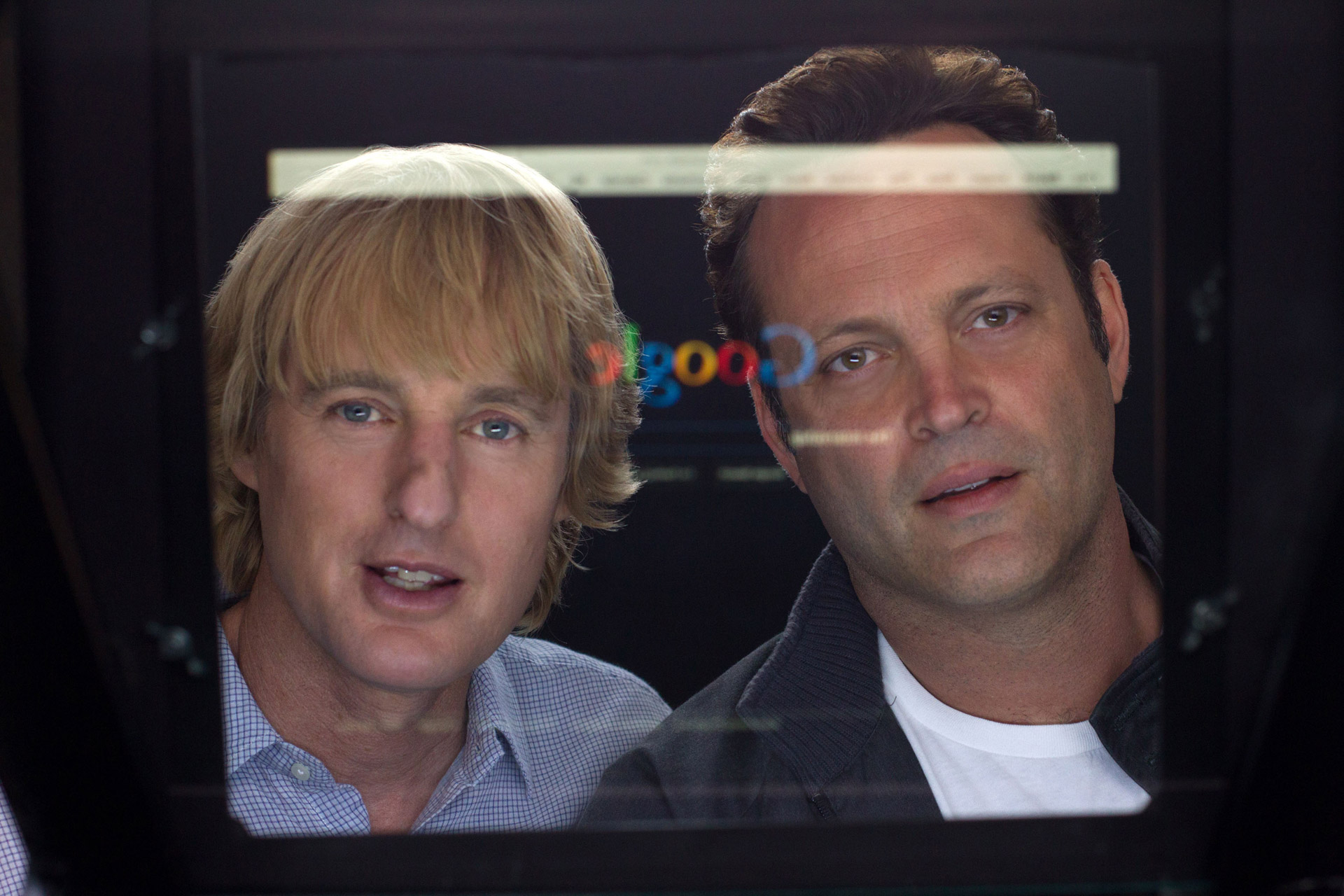
Vaughn and Wilson play Billy and Nick, two watch salesmen who have been made obsolete in the age of iPhones. (Watches are obsolete? Then why is Esquire magazine trying to sell me a $9,000 one every month?) After Googling for possible job opportunities, using keywords like “jobs for people with few skills” (good joke), Billy hits on it. Google. The fortysomething pals will enroll as interns at the company.

Entering a campus that looks unnervingly like the Madison Children’s Museum, slides and all, the pair find that their summer internship isn’t really an internship, but a semester-long competition with other students for jobs at Google. Of course, they land on a team of misfit nerds, and of course they are derided by the cool kids, led by Max Minghella. And, of course, Billy and Nick use some of that Generation X moxie to whip their team into shape.

“The Internship” unabashedly hits all the familiar beats of the campus comedy — the nerdiest kid turns into a wild man under Vaughn’s tutelage, Wilson’s charm defrosts a chilly professor — er, I mean, Google executive — played by Rose Byrne. Padded to nearly two hours, the movie lurches from one challenge to another, from coding to Quidditch, without much logic or wit. If this is really how Google selects its new employees, Bing should be eating its lunch.

But Wilson and Vaughn are certainly affable comedic actors, and Vaughn co-wrote the screenplay, playing to his strengths with long, digressive monologues delivered at rat-a-tat pacing. I also liked Josh Gad as a mysterious campus presence who gives Vaughn some sage advice. And there are moments where the film hints at the dire state of the economy, as when the younger members of the team fret about their job prospects, or when Billy and Nick’s boss (John Goodman) explains the gloomy outlook for their middle-aged careers thusly: “Where you’re going, you’ve already been.”

In the case of this overly familiar comedy, that goes double.


“What Maisie Knew”: A child learns how to survive her parents

_WMK6241.NEF

“What Maisie Knew” opens Friday at Sundance Cinemas. R, 1:43, three and a half stars out of four.

In the first scene of “What Maisie Knew,” we see six-year-old Maisie (Onata Aprile) playing tic-tac-toe with her nanny Margo (Joanna Vanderham). The game serves as a fitting metaphor for divorce: a confrontational game between two opponents that nobody ends up winning.

What’s different, and heartrending about how “Maisie”  looks at divorce is that it does so through her six-year-old eyes, sometimes uncomprehending, sometimes understanding far better than her parents realize. Why is Mommy crying? Who is that woman with Daddy? At times “What Maisie Knew” can be difficult to watch, especially if you’ve been through similar circumstances as either a child or parent. But it’s an intimate, well-acted and nuanced film that provides a fresh angle on an all-too-familiar struggle.

Maisie’s mom is Susanna (Julianne Moore) a fading rocker in the Courtney Love mode, who vacillates between neediness and indifference towards her young daughter. Her father is Beale (Steve Coogan), a wealthy art dealer who spends most of his life on the phone or abroad for business. They break up at the beginning of the film, and soon much of Maisie’s life is spent shuttling back and forth between one parent and the other, listening to one bad-mouth the other. There’s no doubt Susanna and Beale love Maisie, in their way, but there’s also no doubt that they are pretty lousy parents, self-involved and eager to win Maisie over to their side. The film is actually an adaptation of an old Henry James novel, but feels utterly contemporary.

Beale ends up moving in with the nanny Margo, and in retaliation Susanna marries a hunky young bartender, Lincoln (Alexander Skarsgard). As Beale and Susanna recede from the film — mercifully — it’s left to these new step-parents to take care of Maisie. And the twist you should see coming but don’t is that they turn out to be great parents for Maisie, much better than her biological ones. The relationship between the towering Skarsgard and little Aprile is particularly affecting — the two actors have a warm rapport you rarely see in child-adult relationships.

The acting is all terrific here — both Beale and Susanna could have easily been broad, villainous types, but Coogan and especially Moore make them seem more pathetic than villainous, so wrapped up in their own needs they can’t see the damage they’re doing. But this kind of film only pierces your heart if the child actress is good, and young Aprile is unbelievable, so natural and unforced, without a hint of cutesiness or pathos about her. The film looks at the world entirely through Maisie’s perspective, both in how it views the characters and in its luminous cinematography, the colors popping off the screen, the frame rate sometimes slowing down just slightly in moments of dreamlike rapture.

As Maisie stares uncomprehendingly up at her nattering parents, or warmly at Lincoln and Margo, you sense that she really does know quite a lot, and whatever happens, she’ll rise above it.